
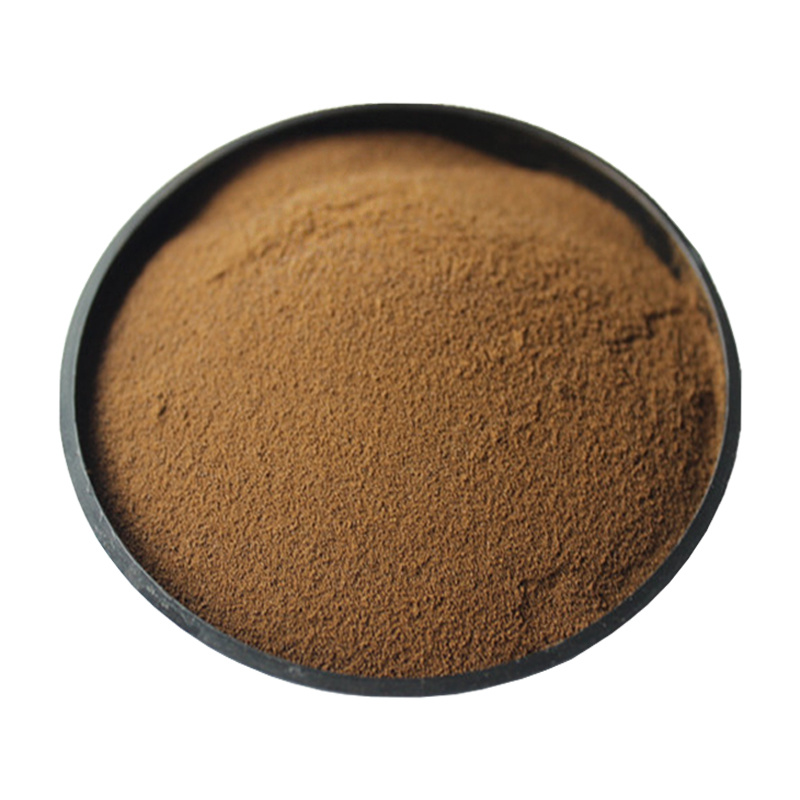
Sodium lignosulfonate structure and property guide
Sodium lignosulfonate is a water-soluble lignin derivative used as a dispersant, binder, and formulation aid. Its performance comes from a sulfonated lignin backbone, sodium counterions, broad molecular-weight distribution, and the balance between aromatic lignin segments and hydrophilic sulfonate groups.
How the structure affects performance
| Structure feature | Practical property | Buyer evaluation point |
|---|---|---|
| Sulfonate groups | Water solubility and negative charge | Check solubility, pH, and dispersion stability in the real formulation. |
| Lignin aromatic backbone | Adsorption on mineral, pigment, and organic particle surfaces | Test dosage response and compatibility with the target substrate. |
| Polydisperse molecular weight | Binding, viscosity, and particle-spacing behavior | Compare grade-to-grade performance instead of relying on one formula. |
| Sodium counterion | High water solubility and broad process compatibility | Confirm sodium tolerance in agriculture, concrete, ceramic, dye, or mineral systems. |
Typical application links
The same structure-property relationship explains why sodium lignosulfonate is evaluated in fertilizer granulation, concrete admixtures, ceramic processing, mineral dispersion, pigment systems, and industrial binders. For calcium-based and magnesium-based comparisons, review calcium lignosulfonate and magnesium lignosulfonate.
Specification points to compare before ordering
- Solubility and insoluble matter in the target water quality.
- pH, ash, sulfate, reducing sugar, and lignosulfonate content.
- Color impact where the formulation is light-colored or visible.
- Dispersing, binding, water-reducing, or emulsifying performance in the final recipe.
- Current TDS, SDS, COA, sample availability, packing, and export documents.
FAQ: sodium lignosulfonate structure and properties
- What gives sodium lignosulfonate its dispersing ability? Its lignin backbone carries sulfonate groups that ionize in water, giving particles electrostatic repulsion and helping keep mineral, dye, fertilizer, and cement particles dispersed.
- Is sodium lignosulfonate a single molecule? No. Commercial sodium lignosulfonate is a polydisperse natural polymer mixture, so buyers should compare grade specifications, solubility, pH, ash, reducing sugar, and application testing rather than relying on one formula alone.
- Which product page should buyers review? Buyers should review the sodium lignosulfonate product page and request current TDS, SDS, COA, packaging details, and sample support for their target application.