
China Lignin supplies lignosulfonates, micronutrient lignosulfonates, lignohumates and humic materials to fertilizer producers. Pick your process below to see which grades to evaluate and what to test in your trial.
01
NPK and compound granulation
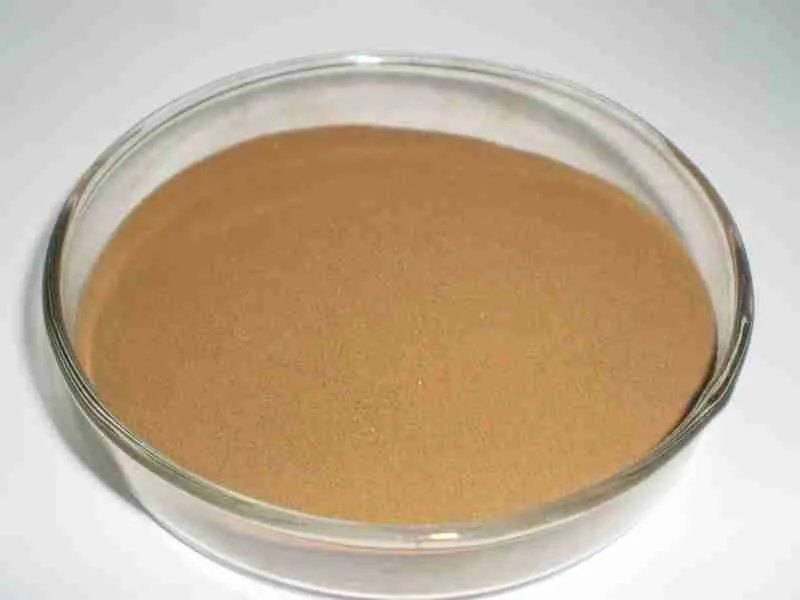
Lignosulfonate is added to the granulation liquid or powder feed as a binder. It helps fine particles hold together through drying, cooling and storage, and reduces dust from abrasion.
Grades to evaluate
What to test in your trial
- Granule crushing strength against your current binder
- Dust and abrasion after handling
- Caking after storage at your humidity
- Moisture after drying
Read: Lignosulfonate pellet binder for fertilizer granules · Lignosulfonates in fertilizer formulation
02
Organic-mineral granules
Humic, mineral and organic raw materials are often hard to granulate. A lignosulfonate binder or a lignohumate adds cohesion, and the humic fraction stays part of the product.
Grades to evaluate
What to test in your trial
- Granule strength after drying
- Break-down time in water
- Compatibility with your organic raw materials
- Humic content by COA
03
Water-soluble and fertigation products
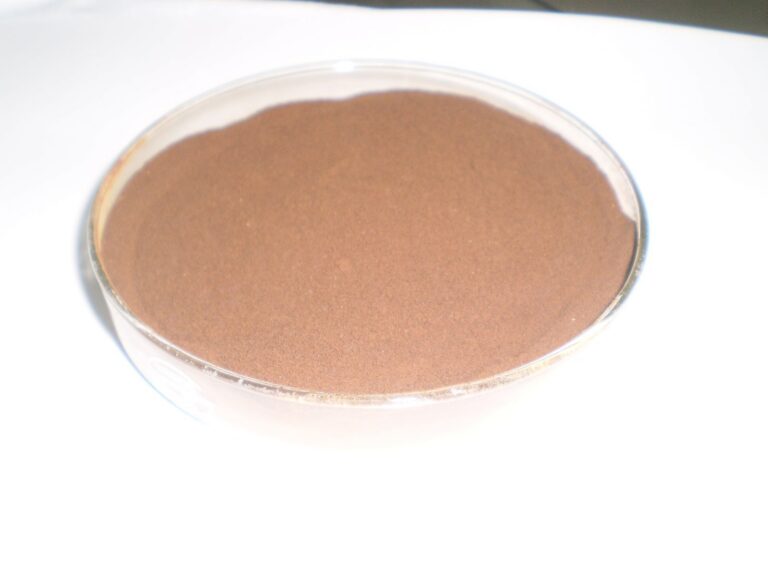
Water-soluble lignosulfonates and potassium humate are used as dispersants and carriers in soluble powders and liquid fertilizers. Filtration, water hardness and tank-mix stability decide the grade.
Grades to evaluate
What to test in your trial
- Jar test with your other ingredients
- Filter and emitter check for drip systems
- Stability in hard water
- pH of the final solution
04
Micronutrient products
Zinc, iron, manganese, copper and boron are supplied in a lignosulfonate complex for soil and foliar products. The complex is weaker than EDTA and biodegradable, so the choice depends on crop, soil pH and formula.
Grades to evaluate
What to test in your trial
- Metal content by COA
- Solubility at your use rate
- Compatibility with phosphate and other salts
- Foliar tank-mix behaviour
05
Suspension concentrates and wettable powders
In crop protection formulations, sodium lignosulfonate keeps fine active particles dispersed in water. It is used in wettable powders, water-dispersible granules and suspension concentrates.
Grades to evaluate
What to test in your trial
- Suspensibility after dilution
- Wet sieve residue
- Viscosity and flow
- Accelerated storage stability
Read: Lignosulfonate dispersants in agricultural formulations · Lignosulfonate as a spray adjuvant
06
Soil conditioners
Humic acid, fulvic acid, lignin and lignohumates are used as organic inputs in soil amendment products. Results in the field depend on soil, crop and rate, so we recommend a trial with an untreated control.
Grades to evaluate
What to test in your trial
- Organic matter and humic content by COA
- Solubility of the grade you need
- Field trial with an untreated control
- Local registration for soil products
Read: Lignosulfonate and soil fertility: evidence and limits · Liquid lignosulfonate as a soil conditioner
How we support a trial
- Tell us your process and the binder or dispersant you use now.
- We recommend a grade and send the TDS, SDS and a representative COA.
- You test a sample on your own line, with your current product as the control.
- Order and ship with a COA for every lot.
Common questions
Can you recommend a dose?
We give a starting range from the TDS and similar applications, but the right dose depends on your raw materials, moisture and equipment. Run a trial against your current binder or dispersant.
Do you make finished fertilizers?
No. We supply raw materials and additives to fertilizer producers, formulators and distributors.
Can you supply a custom blend?
Yes, for trace element lignosulfonates and some humic blends. Send the target element ratio and form, and we confirm what is possible.