
Ammonium Lignosulfonate for Agriculture and Fertilizer Formulations
Ammonium lignosulfonate is a water-soluble lignin-based binder, dispersant, carrier, and formulation aid for fertilizer, agriculture, soil-related, feed-approved, dust-control, and selected industrial systems.
China Lignin supplies GAC-NHLS for buyers who need lignosulfonate performance with ammonium-form relevance and total nitrogen content. Final suitability should be confirmed by grade, dosage, pH, nitrogen target, feed or fertilizer registration status, raw material compatibility, local regulations, and buyer trials.
Ammonium Form
Useful where buyers want to evaluate lignosulfonate with ammonium-form and nitrogen-content relevance.
Water Soluble
Suitable for many compatible aqueous fertilizer, micronutrient, and industrial formulation systems.
Export Supply
Samples, TDS, SDS, COA, packaging details, and quotation support are available for global buyers.
Answer-First Product Overview
Ammonium lignosulfonate is the ammonium salt form of lignosulfonate, a water-soluble lignin derivative also called ammonium lignosulphonate. It is commonly evaluated as a dispersant, binder, carrier, and organic lignin-derived formulation component in agriculture and industrial applications.
Buyer Note
Do not use one lignosulfonate grade for every application by assumption. Compare the current TDS, COA, SDS, sample behavior, impurity profile, nitrogen content, feed or fertilizer registration needs, and local compliance requirements before commercial use.
Main Specification
This specification follows the current China Lignin ammonium lignosulfonate page. Buyers should confirm the latest TDS, COA, SDS, sample result, and commercial contract specification before bulk order.
| Item | GAC-NHLS | Buyer note |
|---|---|---|
| Name | Ammonium lignosulfonate | Confirm product grade before order |
| Product code | GAC-NHLS | Use for quotation and specification reference |
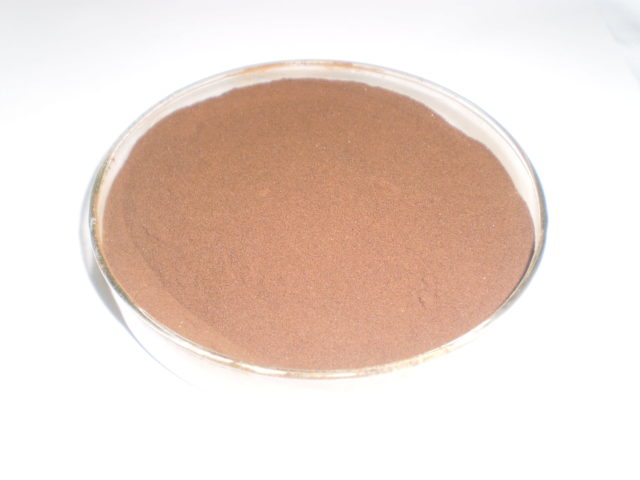
| Appearance | Yellow brown powder | Useful for handling, blending, and visual acceptance |
| pH | 4-7 | Important for fertilizer, foliar, feed-approved, and industrial compatibility |
| Dry matter | 95% min | Supports solids evaluation, storage, and loading calculation |
| Water-insoluble | 1.0% max | Relevant for spray, filtration, dispersion, and aqueous formulation behavior |
| Sulfate | 5% min | Confirm if the application is sensitive to inorganic salts |
| Calcium and magnesium | 2% min | Check cation profile against formulation requirements |
| Lignosulfonate | 50% min | Key lignin-derived active component indicator |
| Density | 0.532 g/cm3 | Useful for packaging, handling, and loading estimates |
| Moisture | 7% max | Important for flowability, shelf life, and shipment planning |
| Total nitrogen | 3%-5% | Important for agriculture and fertilizer positioning |
Agriculture and Fertilizer Applications
Ammonium lignosulfonate can be evaluated where water-soluble lignosulfonate behavior, binding support, dispersion, carrier performance, ammonium-form relevance, or organic lignin-derived formulation support is needed.
Foliar Fertilizer
Carrier or dispersant-support ingredient after crop safety, pH, dosage, and tank mix testing.
Trace Element Blends
Helps formulators evaluate dispersion support for selected minerals and micronutrients.
Fertilizer Granulation
Binder or processing support for selected powders, granules, and coating systems.
Soil-Related Products
Lignin-derived component for soil product concepts when supported by formulation and field testing.
Feed-Approved Uses
Only for feed-related applications when grade, documentation, registration, and safety requirements allow.
Dust Control
Binder or dust suppression aid in selected roads, stockpiles, or process-material applications.
Grade Selection Guide
Choose ammonium lignosulfonate when the formulation specifically benefits from ammonium-form lignosulfonate, nitrogen content, water solubility, and a yellow brown powder form. Compare with sodium, calcium, magnesium, potassium, liquid, and lignin products when cation profile, pH, or handling form is more important.
- Total nitrogen target
- Feed or fertilizer registration
- pH and water chemistry
- Water-insoluble limit
- Dosage response curve
- Packaging and moisture control
Industrial Applications
Ammonium lignosulfonate also has industrial application coverage. Treat performance as formulation-specific and confirm the selected grade in the buyer’s own process conditions.
| Industrial use | Common role | Buyer check |
|---|---|---|
| Cement and mortar systems | Plasticizer or dispersant support in selected systems | Check cement compatibility, dosage, setting behavior, and standards |
| Dust control | Binder or dust-suppression aid | Check surface type, application rate, weather exposure, and local rules |
| Composite and MDF binder research | Lignin-based binder component in selected formulations | Confirm resin compatibility, hot-pressing conditions, and target strength |
| Water-based industrial formulations | Dispersant, suspension aid, or auxiliary ingredient | Check pH, water hardness, solids loading, and additive compatibility |
Packaging and Documents
Ammonium lignosulfonate is commonly supplied as powder in export packaging suitable for container shipment. Packaging format, bag weight, palletizing, moisture protection, and loading quantity should be confirmed before order.
| Requirement | What to confirm |
|---|---|
| Packaging | Woven bags with inner liner, palletizing, moisture protection, and buyer-approved export packaging |
| Documents | TDS, SDS, COA, packing list, invoice, and application guidance where available |
| Storage | Keep sealed, dry, and protected from moisture during storage and transport |
FAQ
What is ammonium lignosulfonate used for?
Ammonium lignosulfonate is used or evaluated as a lignin-based dispersant, binder, carrier, and formulation aid in fertilizer formulations, agriculture inputs, soil-related products, dust control, cement or mortar systems, feed-approved applications, and selected industrial processes.
Why is ammonium lignosulfonate relevant for agriculture?
It combines water-soluble lignosulfonate behavior with ammonium-form and nitrogen-content relevance. Buyers may evaluate it in fertilizer, foliar, trace-element, granulation, and soil-related formulations after compatibility and regulatory checks.
Can ammonium lignosulfonate be used in animal feed?
Only where the selected grade, documentation, local regulations, impurity profile, and feed safety requirements are appropriate. Do not use an industrial grade for feed without specific approval and documentation.
How is ammonium lignosulfonate different from potassium lignosulfonate?
Ammonium lignosulfonate is selected where ammonium-form and nitrogen content are relevant. Potassium lignosulfonate is selected where K2O and potassium relevance matter more. Buyers should compare both by TDS, COA, dosage, pH, and application testing.