
Calcium Lignosulfonate For Agriculture
Calcium lignosulfonate powder for drip irrigation, fertilizer granulation, organic-mineral blends, soil conditioner products, wettable powder systems, micronutrient premixes, and crop input pellets.
China Lignin supports agricultural manufacturers and distributors with calcium lignosulfonate grade selection, sample testing, export packaging, TDS/SDS/COA documents, and quotation support for global markets.
Product Overview
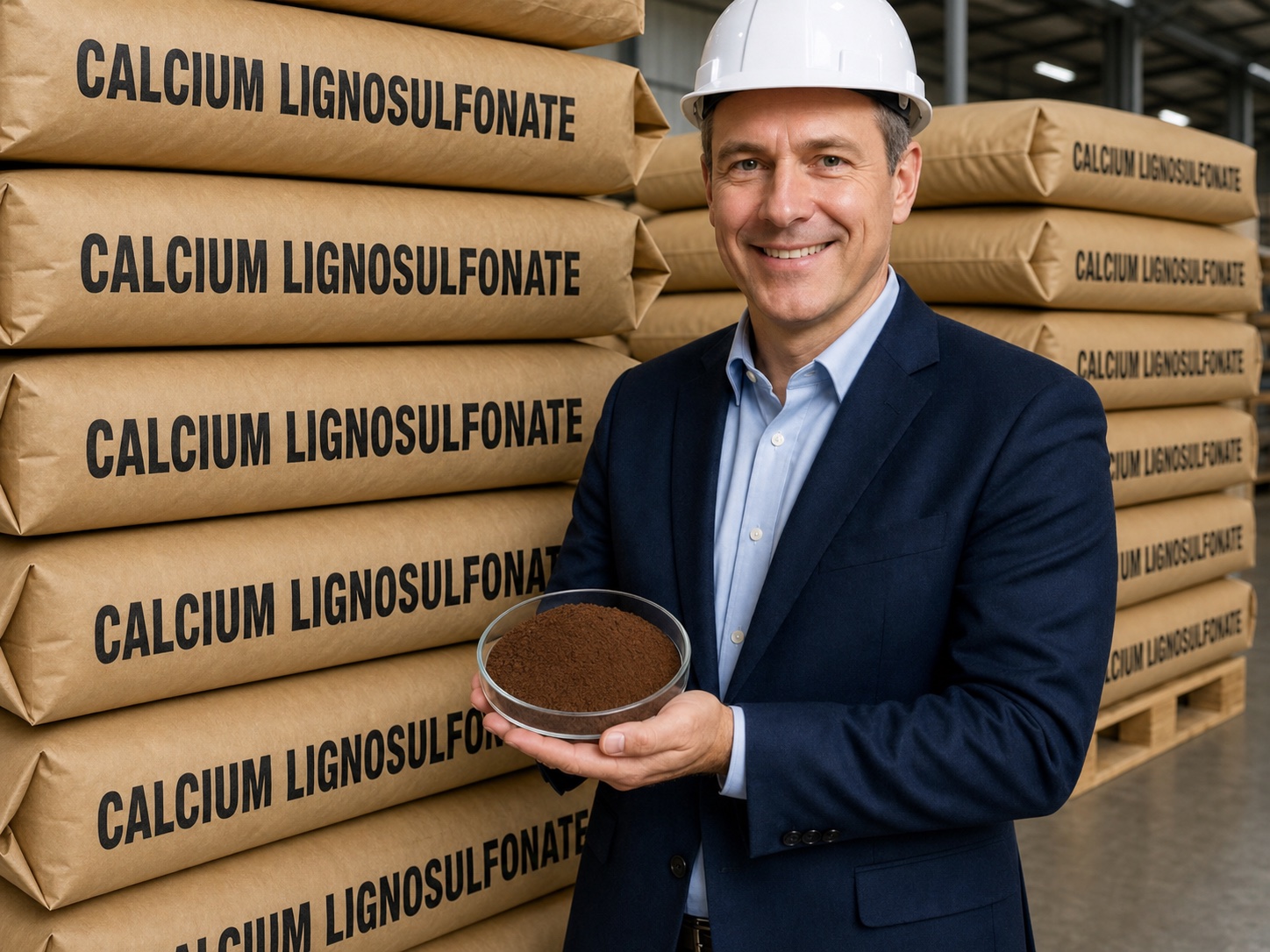
Calcium lignosulfonate is a calcium-based lignosulfonate powder used where agricultural formulations need binding strength, particle dispersion, water solubility, and practical powder handling.
In agriculture, it is commonly evaluated for drip irrigation compatibility, fertilizer granulation, wettable powder dispersion, micronutrient premixes, and soil-related or mineral-based blends.
Agriculture and Fertilizer Applications
Drip Irrigation
Considered for water-soluble agricultural input systems where solubility, filtration behavior, mineral compatibility, and field-use dosage require trial confirmation.
Compound Fertilizer Granules
Evaluated as a binder for NPK, mineral, and blended fertilizer granules where strength, dusting, and handling stability matter.
Organic-Mineral Blends
Supports granulation and particle cohesion in organic-mineral formulas containing humic materials, minerals, or plant nutrition carriers.
Soil Conditioner Products
Used as a lignin-derived formulation component in soil-related blends where organic carbon positioning and processing support are needed.
Wettable Powder Systems
Helps disperse fine particles in selected water-based agricultural formulations after compatibility and suspension testing.
Micronutrient Premixes
Can support mineral and trace-element dispersion where calcium, magnesium, water hardness, and pH compatibility are verified.
Crop Input Pellets
May reduce dusting and improve pellet handling in selected crop input, carrier, and granule systems after crop-safety review.
Specifications
| Item | Grade One |
|---|---|
| Product Code | GAC-CaLS-Agri |
| Appearance | Yellow Powder |
| Solubility | 98.5% min |
| Lignosulphonate | 55% min |
| Sulphate | 2% min |
| Calcium and Magnesium | 5%-8% |
| Moisture | 7% max |
Values above are for Grade One reference. Final specifications should be confirmed with the current TDS, SDS, COA, sample result, and commercial contract before purchase.
Grade Selection Guide
For granulation, compare binder dosage, granule hardness, friability, drying temperature, dusting rate, and storage stability against your current binder or processing aid.
For drip irrigation, dispersing, or suspension use, verify filtration behavior, water hardness, particle size, slurry behavior, pH range, calcium sensitivity, and compatibility with active ingredients or mineral nutrients.
Packaging and Loading
Calcium lignosulfonate is supplied as powder in export-ready packaging for container shipment.
Common packaging direction: 25 kg woven bags with inner liner, or buyer-approved export packaging. Palletized and non-palletized loading can be discussed by destination market.
Store in a sealed, dry, and ventilated place. Protect from rain, moisture, and contamination during storage and transport.
Buyer Checklist
FAQ
What is calcium lignosulfonate used for in agriculture?
It is used as a lignin-based binder, dispersant, and formulation aid in drip irrigation, fertilizer granulation, organic-mineral blends, soil conditioner products, wettable powders, micronutrient premixes, and crop input pellets.
Can calcium lignosulfonate be used in drip irrigation?
It can be considered for selected water-soluble agricultural input systems, but buyers should confirm filtration behavior, water quality, dosage, compatibility, and local application requirements before field use.
Can calcium lignosulfonate improve fertilizer granule strength?
It may help improve particle cohesion and reduce dusting, but final results depend on dosage, fertilizer raw materials, moisture, granulation equipment, drying conditions, and storage requirements.
Is it suitable for soil conditioner blends?
It can be considered as a lignin-derived formulation component in soil-related blends, but agronomic performance should be verified by formulation design, dosage, crop system, soil condition, and local requirements.
What documents should buyers request?
Buyers should request TDS, SDS, COA, sample information, packaging details, and application notes for the intended fertilizer, soil, or crop input formulation.
How is calcium lignosulfonate different from sodium lignosulfonate?
The main difference is the cation type. Calcium lignosulfonate contains calcium as the main cation, while sodium lignosulfonate contains sodium. Selection depends on solubility, formulation compatibility, application target, handling preference, and test results.
Request Calcium Lignosulfonate for Agricultural Formulation
Share your target formulation, raw materials, dosage range, packaging preference, destination market, and required documents. China Lignin can support sample testing, technical data, and export quotation.