
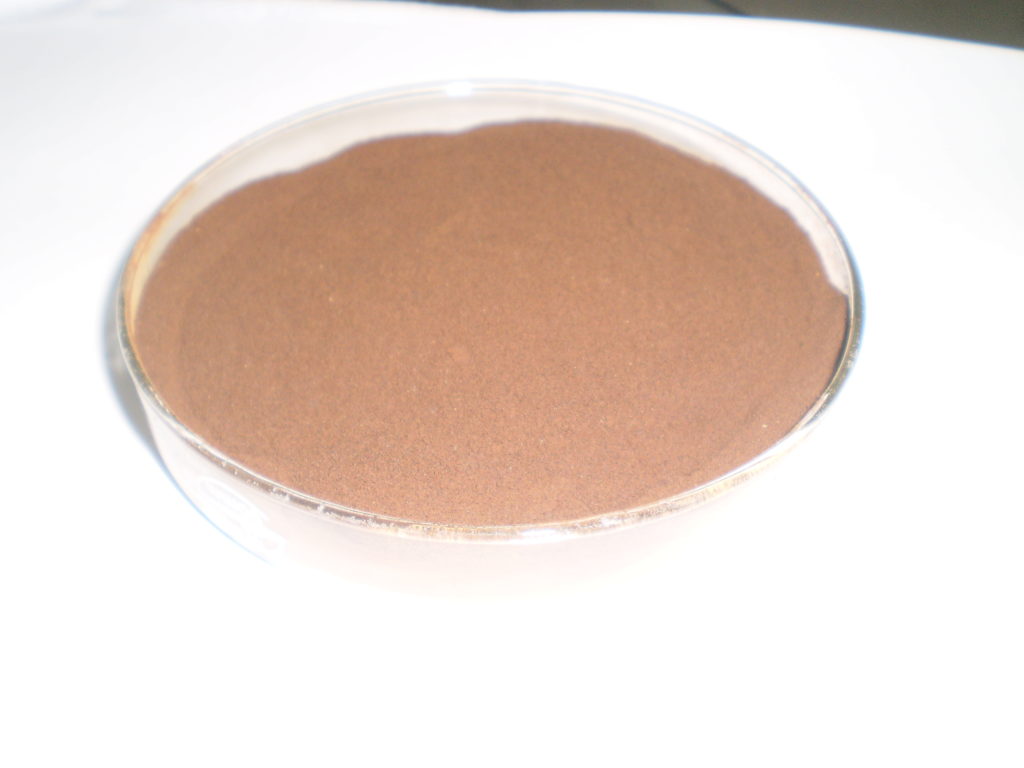
Zinc Lignosulfonate Powder for Crop Nutrition
Zinc lignosulfonate (GAC-ZnLS) is a water-soluble, yellow-brown powder with 10% min zinc held in a lignosulfonate complex. It is used by foliar spray, soil application and fertigation to correct zinc deficiency, and as a zinc source in micronutrient blends. Zinc is a cofactor for many plant enzymes and is needed for auxin synthesis; the lignosulfonate carrier keeps zinc plant-available and reduces soil fixation compared with mineral zinc salts.
Specification (TDS GAC-ZnLS)
| Parameter | Typical value |
|---|---|
| Appearance | Yellow-brown powder |
| Total zinc (Zn) | 10% min |
| Lignosulphonate | 50 – 60% |
| Dry matter | 95% min |
| Moisture | 5% max |
Where It Is Used
| Crop / programme | Typical use |
|---|---|
| Cereals and maize | Soil-applied or foliar zinc, especially on calcareous, high-pH or sandy soils |
| Rice | Basal soil application or foliar correction in flooded systems |
| With nitrogen fertilizers | Blended with urea, DAP or MAP programmes to support nitrogen-use efficiency |
| Horticulture and fruit | Foliar spray in early vegetative growth against rosetting and small-leaf disorder |
Suggested Starting Rates (TDS)
| Method | Starting rate |
|---|---|
| Foliar spray | 0.1 – 0.3% solution (1 – 3 g/L) at early vegetative stage |
| Soil application | 2 – 5 kg product/ha on confirmed zinc-deficient soils |
| Co-blending | Coat onto or tank-mix with urea/DAP/MAP after a compatibility trial |
Rates must be confirmed by soil or tissue testing and local agronomic trials. For liquid fertilizer systems, see liquid zinc lignosulfonate (Zn-LS). For mixing with urea, ammonium sulfate, DAP or MAP, see the zinc lignosulfonate and NPK fertilizer mixing guide.
Packing and Storage
25 kg woven bags with PE liner; store cool and dry; shelf life 24 months unopened.
Signs of Zinc Deficiency
- Small, narrow leaves and shortened internodes (rosetting), especially in fruit trees and maize
- Pale bands or interveinal chlorosis on younger leaves; white bud in maize
- Bronzing and patchy growth in rice (“khaira”) on flooded, high-pH soils
- Most common on calcareous, high-pH, sandy or eroded soils, after heavy phosphate fertilization and in cold, wet springs
Confirm deficiency by soil and leaf tissue analysis before choosing the rate.
How to Use It
- Dissolve first: pre-dissolve the product in a small volume of water under stirring, then add it to the spray tank or fertigation stock tank.
- Jar test: before mixing with other fertilizers or crop protection products, mix the products at their use ratio in a jar and check for precipitation or separation.
- Timing: apply foliar sprays in the early morning or late afternoon; avoid spraying in strong sun or before rain.
- Fertigation: filter the stock solution and flush the lines after injection.
- Trial first: confirm rate and crop safety on a small area before full-field use.
What to Check When Buying
- Element content on the COA (and whether it is stated on an as-is or dry basis)
- Water-insoluble matter, which matters for drip and spray nozzles
- Moisture and caking risk for powder grades; packing with liner for humid climates
- Heavy metals, if your market regulates them in fertilizers
- Registration or labelling requirements for micronutrient fertilizers in the destination country
Documents
Each shipment comes with a batch COA.
Frequently Asked Questions
How much zinc does zinc lignosulfonate contain?
The powder grade GAC-ZnLS contains 10% min total zinc with 50–60% lignosulphonate, according to its TDS.
What is the application rate of zinc lignosulfonate?
The TDS gives starting rates of 0.1–0.3% solution (1–3 g/L) for foliar spray and 2–5 kg product per hectare on confirmed zinc-deficient soils. Verify by soil or tissue testing and local trials.
Which crops benefit from zinc lignosulfonate?
Cereals and maize, rice, and horticultural and fruit crops, especially on calcareous, high-pH or sandy soils where zinc deficiency is common.
Can it be mixed with urea or DAP?
Yes. The TDS lists coating onto or tank-mixing with urea, DAP and MAP after a formulation compatibility trial.
Powder or liquid zinc lignosulfonate?
The powder (10% min Zn) suits soil, foliar and dry-blend use. The liquid grade (45% solids) is designed for liquid fertilizer systems.