
Lignosulfonate may support selected soil and fertilizer systems, but it should not be described as a universal soil-fertility enhancer. Results depend on the lignosulfonate grade, counter-ion, application rate and basis, soil pH and texture, crop, nutrient formulation, irrigation and trial duration.
The strongest use case is formulation-specific: lignosulfonates can be evaluated as micronutrient complexing/formulation aids, fertilizer-granulation binders or components of engineered soil-improver systems. Product claims should be based on the exact grade and defined greenhouse or field evidence.
How lignosulfonate may interact with soil and nutrients
| Potential mechanism | What it may influence | What must be measured |
|---|---|---|
| Interaction with metal ions | Solubility or transport of selected micronutrients | Metal–ligand ratio, pH stability, precipitation, extractable nutrient and plant uptake |
| Adsorption of exchangeable ions | Behavior of aluminum or other ions in acidic soils | Soil pH, exchangeable acidity, Al fractions and crop response |
| Polymeric water interaction | Water distribution in an engineered gel/coating system | Water retention curve, infiltration, evaporation and crop water-use response |
| Binding and coating | Fertilizer granule integrity or controlled formulation structure | Granule strength, abrasion, release/dissolution and storage stability |
| Carbon input and microbial interaction | Possible changes in biological activity | Soil respiration, enzyme activity, microbial community and long-term soil carbon |
What the SUSFERT project actually supports
The former page referred to SUSFERT field work near Vienna. SUSFERT was a multi-component research project evaluating sustainable fertilizer technologies, including lignosulfonate-based nutrigels, coatings, probiotics and struvite-related nutrient systems. It should not be used as proof that every commercial lignosulfonate alone improves soil fertility, saves water or outperforms conventional fertilizer.
BOKU University reports that the project evaluated prototype components in multi-year field trials and assessed performance, economic potential, sustainability and regulatory compliance. See the BOKU SUSFERT project summary. Any numerical or comparative claim must remain attached to the exact prototype, field treatment, soil, crop, season and benchmark.
Published research examples
| Reported observation | Material/system | Evidence and conditions | How to interpret it |
|---|---|---|---|
| Reduced exchangeable Al³⁺ and changes in soil buffering, enzymes, microbial community and biomass were reported | Calcium lignosulfonate in three acidic soils | Pot experiments and molecular modelling; 2025 peer-reviewed study indexed by PubMed | Promising acidic-soil research; not a universal field performance claim or product specification |
| Higher leaf Fe and Mn plus improved physiological responses were reported | Fulvate–lignosulfonate-coated micronutrient fertilizer in greenhouse tomato | Controlled greenhouse comparison; Agronomy 2023, 13, 2013 | Applies to the tested coated formulation and greenhouse system, not lignosulfonate alone |
| Responses under salinity stress were reported, with authors calling for longer-term open-field confirmation | Calcium lignosulfonate-amended saline soil with maize | Frontiers in Plant Science 2024 | Research result under stated conditions; field robustness remains to be established |
These are published research results for defined materials and test systems. They are not Green Agrochem specifications, universal recommended dosages or guaranteed crop responses.
Micronutrient formulation considerations
Terms such as “chelating,” “complexing” and “carrier” should be used carefully. Lignosulfonate can interact with Fe, Zn, Mn, Cu and other ions, but stability and agronomic availability depend on metal identity, ligand-to-metal ratio, pH, competing ions, concentration, water hardness and storage.
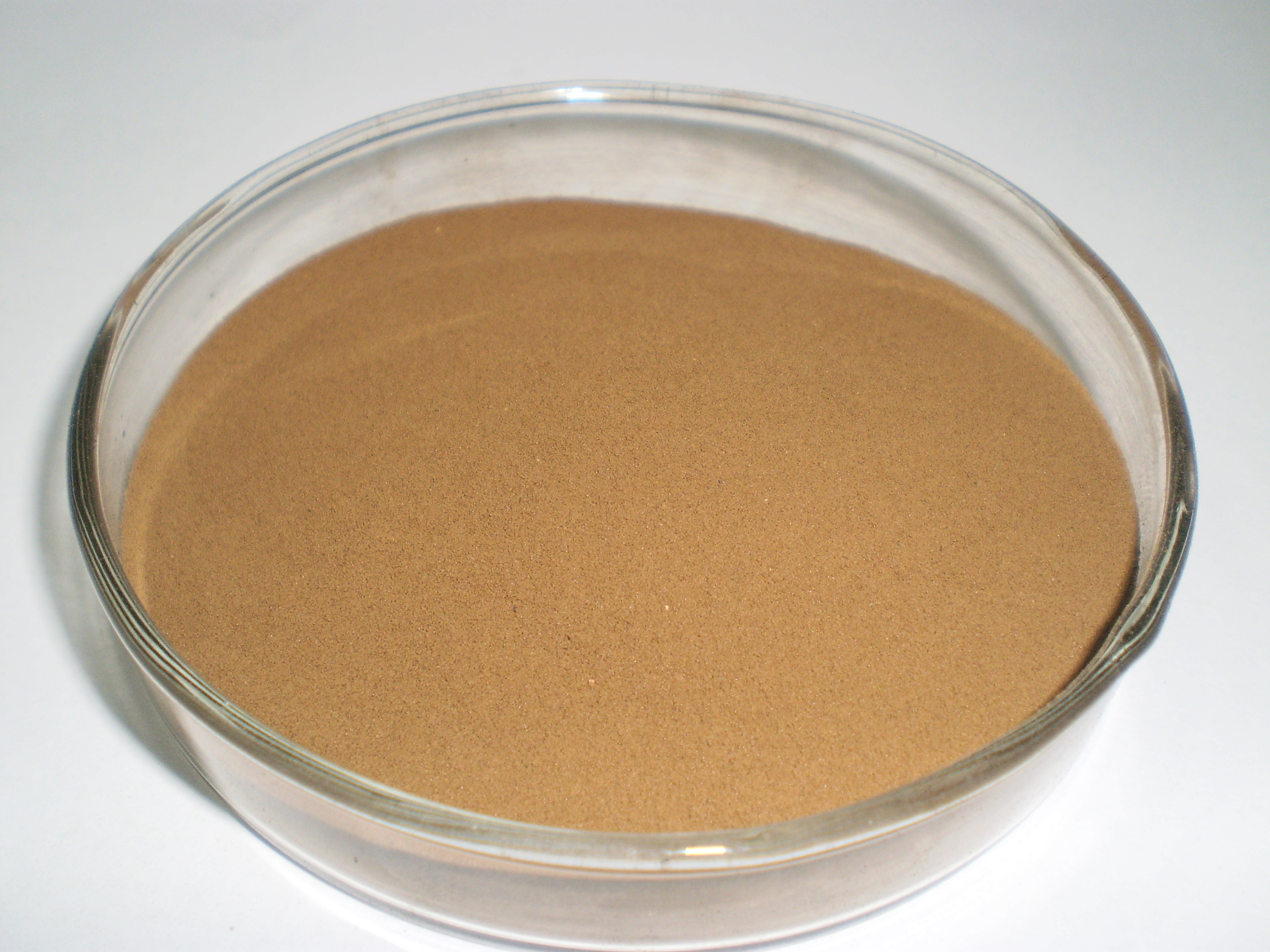
A useful qualification program includes concentrate appearance, dilution stability, filtration, precipitation, pH drift, nutrient analysis and plant-response testing. Market-specific fertilizer regulations may define how complexed or chelated micronutrients are declared.
Soil application trial design
- Define the problem: acidic-soil aluminum, micronutrient availability, granule integrity, water management or another measurable target.
- Characterize the soil: pH, texture, organic matter, electrical conductivity, exchange capacity and baseline nutrients.
- Identify the exact product: counter-ion, solids/moisture, pH, ash, salts, reducing substances and current COA.
- Define the application basis: dry product or as supplied, mass per soil mass, area, plant, solution volume or fertilizer mass.
- Use controls: untreated control, current practice and relevant component controls for multi-component formulations.
- Measure over time: soil chemistry, nutrient availability, plant tissue, biomass/yield and any environmental endpoint.
- Confirm in the field: greenhouse or pot results do not automatically predict multi-season field response.
Claims from the former page that require correction
| Former statement | Evidence status | Correct public treatment |
|---|---|---|
| Lignosulfonate is a “natural chelator” for all listed nutrients | Overgeneralized; nutrient and method not defined | Describe potential metal interaction and require stability/availability testing |
| More effective than current fertilizing methods | No treatment, crop, soil, control or result supplied | Do not publish as fact; use project- or study-specific comparisons |
| Reduces/replaces harmful fertilizers and produces zero pollution | Absolute unsupported environmental claim | Remove; assess nutrient balance, runoff/leaching, life cycle and regulation for the complete system |
| Saves water and maintains fertility for long periods | No product, rate, soil or duration supplied | Treat as a test objective, not a guaranteed effect |
Product qualification and documentation
- current TDS, recent batch COA and product-specific SDS;
- counter-ion, delivery form and dry-solids basis;
- relevant heavy-metal, salt or impurity limits;
- exact supplier-recommended starting trial range with calculation basis;
- crop, soil and fertilizer compatibility data where available;
- target-market fertilizer or input compliance documentation;
- sample, packaging, storage and traceability information.
Related ChinaLignin resources
- Calcium Lignosulfonate in Fertilizer Formulations
- Potassium Lignosulfonate
- Agricultural product selection
- Request technical documents and a formulation trial plan
Frequently asked questions
Does lignosulfonate always improve soil fertility?
No. It may support specific soil or nutrient systems, but the outcome depends on grade, soil, crop, formulation, rate and management.
Can research results be used as product guarantees?
No. Published results stay attached to the tested material and conditions. The offered commercial grade requires its own documentation and validation.
Is lignosulfonate automatically a water-retention agent?
No. Some engineered lignosulfonate-containing gels or coatings may influence water behavior, but this cannot be generalized to every lignosulfonate product.
How should a starting rate be selected?
Use written supplier guidance for the exact grade and application with a defined basis, then confirm it through controlled greenhouse and field trials.