

Recent Categories
Recent Posts

Post Archive
Catogery Tags
Connect With Us
-
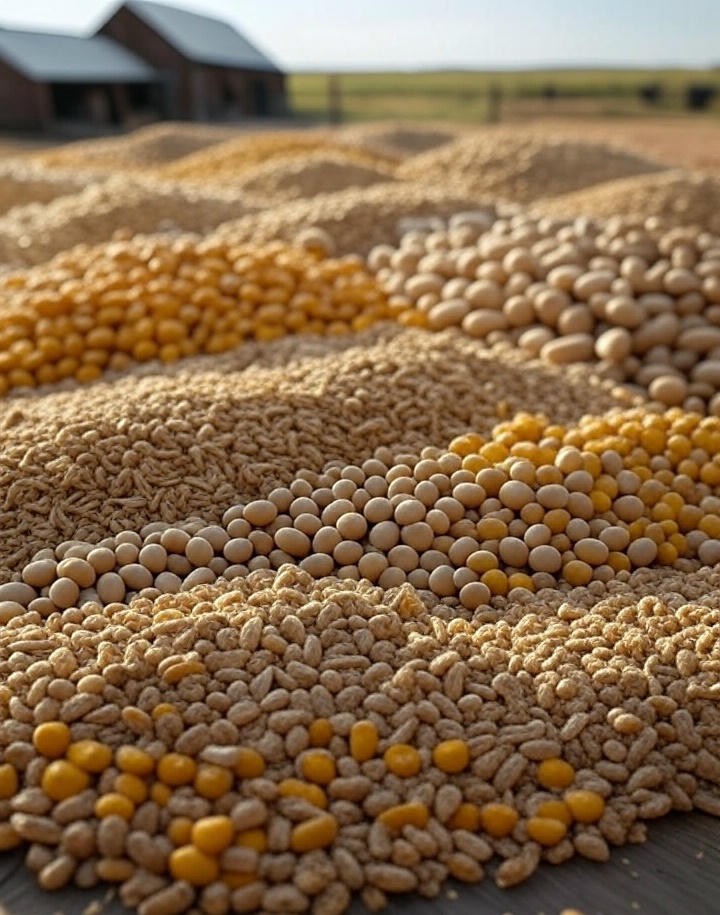
Calcium Lignosulfonate Feed Grade
Calcium Lignosulfonate Feed Grade for agriculture lignin applications, crop nutrition support, soil conditioning, seed coating or agrochemical formulation from CHINALIGNIN.
-
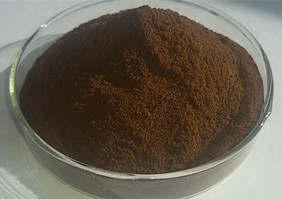
Lignosulfonate for Animal Feed
Lignosulfonate for Animal Feed for agriculture lignin applications, crop nutrition support, soil conditioning, seed coating or agrochemical formulation from CHINALIGNIN.
-

Lignosulfonate used in Dust control
Lignosulfonate could work as naturally binder as its original form of lignin to bind the cellulose and fiber,so it can be used binding agent in pellets or compressed materials,also could used as dust control agent,which will be much more environment friendly and lower cost compared with Chloride. How lignosulfonate control the dust Lignosulfonate binds the
-

Molecular Structure of Sodium Lignosulfonate
The molecular structure and properties of four sodium lignosulfonates (LSs) derived from pulping or bioethanol production were evaluated and compared. SXP and SAL were produced by sulfite pulping and sulfonation reaction of lignin from alkali pulping of poplar, respectively. LS-180 and LS-150 were from sulfite pretreatment to overcome recalcitrance of lignocelluloses (SPORL) pretreatment of lodgepole
-
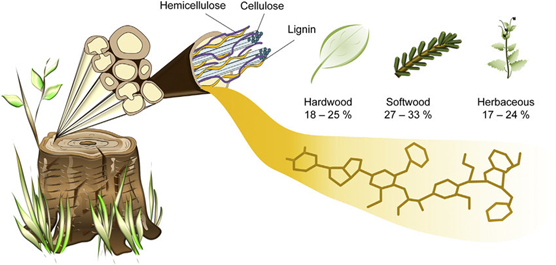
About Lignin
Lignin is the largest reservoir of aromatic compounds on earth and has great potential to be used in many industrial applications. Alternative methods to produce lignosulfonates from spent sulfite pulping liquors and kraft lignin from black liquor of kraft pulping process are critically reviewed herein. Furthermore, options to increase the sulfonate contents of lignin-based products
-
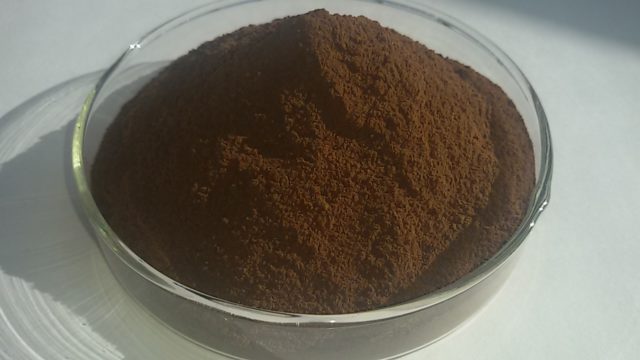
Salt tolerance of sodium lignosulfonates and the emulsion stabilization efficiency
Methods were adapted to investigate the salt tolerance of sodium lignosulfonates and their emulsion stabilization efficiency. In addition, droplet size distributions and lignosulfonate effect on IFT were studied. The results were furthermore discussed with respect to the analytical data provided with the samples, more specifically hydrophobicity and average molecular weight. The trend in salt tolerance