
Dispersant NNO (Sodium Naphthalene Sulfonate Formaldehyde Condensate, CAS 36290-04-7) is an industrial-grade anionic surfactant engineered specifically for agrochemical formulations. It is an essential additive for stabilizing Wettable Powders (WP), Suspension Concentrates (SC), and Water-Dispersible Granules (WDG). By preventing particle flocculation and sedimentation, Dispersant NNO ensures a homogenous tank mix, prevents nozzle clogging, and maximizes the biological efficacy of the active pesticide ingredients during field application.
Chemical Mechanism: The Physics of Agrochemical Dispersion
Active ingredients in pesticides are frequently hydrophobic solids that naturally resist mixing with water. When diluted in a spray tank, these particles quickly agglomerate (clump) and settle, leading to highly uneven application rates across a crop field.
Dispersant NNO resolves this instability through electrostatic repulsion and steric hindrance:
- Adsorption: The hydrophobic naphthalene backbone of the polymer tightly adsorbs onto the surface of the insoluble pesticide particles.
- Ionization (Zeta Potential): The highly hydrophilic sulfonate groups orient outward into the water phase, imparting a strong negative electrical charge to each particle.
- Suspension Stability: Because identically charged particles forcefully repel one another, the pesticide particles are pushed apart and held in a stable, homogenous suspension. This halts Ostwald ripening (the growth of large crystals) and prevents flocculation.
Core Applications in Pesticide Formulations
Dispersant NNO is chemically stable across a wide range of pH levels and remains highly effective in hard water environments (high calcium/magnesium ion concentrations). It is vital to the following formulation types:
1. Wettable Powders (WP)
- The Role: Prevents the dry powder from clumping upon contact with water, ensuring rapid and complete dispersion in the spray tank.
- The Impact: Ensures uniform application rates, preventing crop phytotoxicity (caused by highly concentrated clumps) and eliminating the mechanical downtime caused by clogged spray nozzles.
2. Suspension Concentrates (SC)
- The Role: Acts as the primary anti-settling agent in liquid suspensions.
- The Impact: Prevents the active ingredients from compacting into a hard, unusable sediment (hard-packing) at the bottom of the bottle during long-term warehouse storage.
3. Water-Dispersible Granules (WDG)
- The Role: Binds the granules during the extrusion process but rapidly disintegrates and disperses them the moment they hit the water phase.
Authoritative Application & Formulation Guidelines
To achieve maximum efficacy and extended shelf-life, agrochemical formulators must observe the following parameters:
- Dosage Strategy: Dispersant NNO is typically integrated into the formulation at 0.5% to 3.0% (0.5–3 grams per liter) depending on the hydrophobicity and loading rate of the active ingredient.
- Synergistic Blending: Dispersant NNO provides elite dispersion but is not a primary wetting agent (it does not significantly lower surface tension). To achieve optimal droplet spreading and foliar adhesion, it must be co-formulated with a dedicated wetting agent, such as Lignosulfonates or Alkyl Naphthalene Sulfonates.
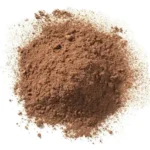
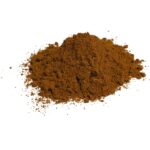
- Storage Protocols: The powder form is highly hygroscopic (absorbs moisture from the air). It must be stored in airtight, moisture-proof packaging in a cool, dry warehouse to prevent caking and efficacy degradation.