
Magnesium Lignosulfonate is a bio-based, non-toxic, and non-flammable powder. It is not classified as a hazardous chemical. However, because it is a fine powder, standard industrial hygiene must be practiced. Always wear a dust mask and safety goggles to prevent mild respiratory or eye irritation.
Section 1: Chemical Product and Company Identification
- Product Name: Magnesium Lignosulfonate (Magnesium Lignosulphonate)
- Chemical Family: Lignosulfonic acid, magnesium salt
- CAS Number: 8061-54-9
- Product Use: B2B industrial applications including animal feed binders, concrete water-reducing agents, dust suppressants, and ceramic dispersants.
Section 2: Composition / Information on Ingredients
- Active Lignosulfonate Content: ≥ 50%
- Magnesium (Mg²⁺): ~ 6%
- Reducing Sugars: 2% – 7%
- Moisture Content: ≤ 7%
- pH Level (Aqueous solution): 4.0 – 7.0
Section 3: Hazards Identification
- Classification: Not classified as hazardous or toxic.
- Inhalation: Dust may cause mild, temporary respiratory irritation.
- Skin/Eye Contact: Prolonged contact may cause mild mechanical irritation to the eyes or skin.
- Ingestion: Low toxicity. Ingestion of massive quantities may cause mild gastrointestinal discomfort.
- Chronic Health Effects: None known. Not classified as carcinogenic or mutagenic by OSHA (Occupational Safety and Health Administration) or IARC (International Agency for Research on Cancer).
Section 4: First Aid Measures
- Eye Contact: Rinse immediately with plenty of water for at least 15 minutes, lifting eyelids to ensure thorough flushing. Seek medical attention if irritation persists.
- Skin Contact: Wash the affected area with standard soap and water.
- Inhalation: Move the affected person to fresh air. If breathing is difficult, consult a doctor.
- Ingestion: Rinse mouth with water. Do not induce vomiting. Seek medical advice if large amounts were ingested.
Section 5: Fire-Fighting Measures
- Flammability: Non-flammable under normal conditions. Will combust only at extreme temperatures (>200°C / >392°F).
- Extinguishing Media: Use water spray, alcohol-resistant foam, or carbon dioxide (CO2). Avoid using solid high-pressure water jets, as this may scatter the dust into the air.
- Unusual Hazards: Like all fine organic powders, a massive cloud of airborne dust in an enclosed space can become combustible. Avoid generating thick dust clouds near open ignition sources.
Section 6: Accidental Release Measures
- Spill Cleanup: Sweep or vacuum up the dry powder carefully to avoid generating airborne dust. Place the collected powder into a sealed waste container. Wash the remaining residue away with water.
- Personal Protection: Wear standard PPE (dust mask, gloves, goggles) during cleanup. Ensure adequate ventilation.
Section 7: Handling and Storage
- Handling Precautions: Use in well-ventilated areas. Wash hands thoroughly after handling.
- Storage Conditions: Store in a cool, dry, well-ventilated warehouse. Keep containers tightly sealed to protect the powder from ambient moisture (which causes clumping). Store away from strong oxidants.
Section 8: Exposure Controls & Personal Protection (PPE)
- Occupational Exposure Limits: No specific chemical limits are assigned. General particulate (dust) limits apply: 10 mg/m³ for inhalable dust over an 8-hour shift.
- Respiratory Protection: Use an NIOSH N95-rated dust mask (or international equivalent) if facility dust levels are high.
- Eye/Skin Protection: Wear safety glasses with side shields and impervious gloves.
Section 9: Physical and Chemical Properties
| Property | Specification |
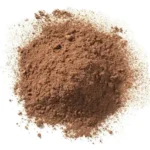
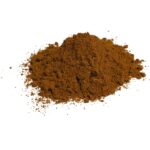
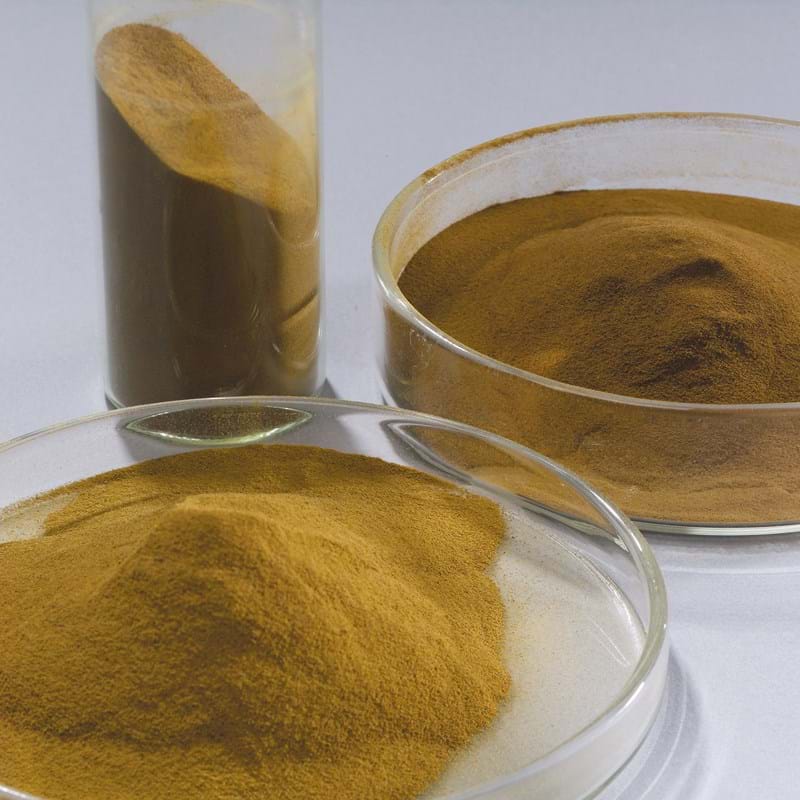
| Physical State & Appearance | Solid; Light yellow to yellow-brown powder |
| Odor | Mild, characteristic woody odor |
| Water Solubility | Highly soluble (>90%) |
| Solvent Solubility | Insoluble in organic solvents (ethanol, acetone) |
| Decomposition Temperature | >200°C (>392°F) |
Section 10: Stability and Reactivity
- Stability: Highly stable under normal, dry storage conditions.
- Conditions to Avoid: Extreme heat (>200°C) and excessive moisture.
- Incompatible Materials: Strong oxidizers and cationic (positively charged) polymers, which may cause the product to precipitate out of a liquid solution.
- Hazardous Polymerization: Will not occur.
Section 11: Toxicological Information
- Acute Oral Toxicity: LD50 (Lethal Dose for 50% of test subjects) in rats is >5,000 mg/kg. This indicates exceptionally low toxicity.
- Aggravation of Pre-Existing Conditions: Workers with pre-existing asthma or respiratory conditions may be more sensitive to airborne dust exposure.
Section 12: Ecological Information
- Environmental Impact: Benign and fully biodegradable. It breaks down naturally into non-toxic byproducts and does not bioaccumulate in the food chain. Safe for agricultural applications.
Section 13: Disposal Considerations
- Waste Disposal: Dispose of the powder in an approved commercial landfill in strict accordance with local, state, and federal environmental regulations. Empty packaging should be recycled.
Section 14: Transport Information
- Classification: Not classified as a hazardous substance.
- Shipping Restrictions: No special transport requirements. Not regulated by the DOT (Department of Transportation), IATA (Air transport), or IMDG (Maritime transport).
Section 15: Regulatory Information
- U.S. FDA: Approved for use as an indirect food additive in animal feed (21 CFR 172.715).
- EU CLP: Complies with European Regulation (EC) No. 1272/2008; not classified as hazardous.
- Organic Standards: May meet OMRI (Organic Materials Review Institute) standards for organic farming and feed production, depending on regional certification.
Section 16: Other Information
- Disclaimer: This generalized MSDS is based on available safety data and is intended for trained industrial personnel. Users must independently assess the suitability and safety of this product for their specific facility applications. For batch-specific safety data or an official downloadable PDF, please contact your supplier.