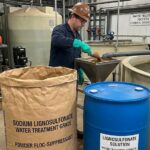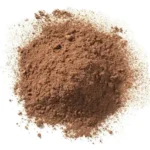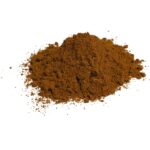

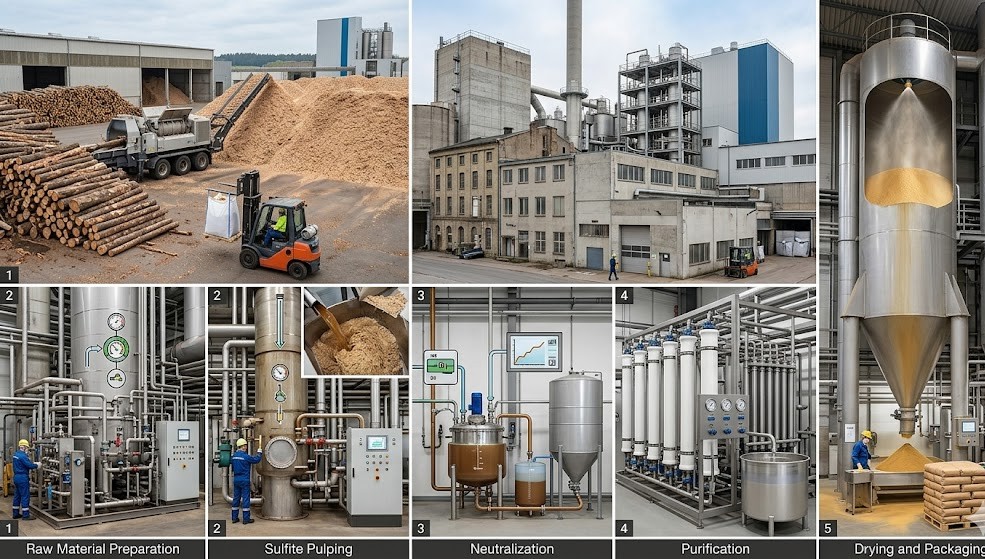
Sodium lignosulfonate is a water-soluble lignin derivative commonly used in various industries such as construction, agriculture, and animal feed. It is obtained from lignin, a natural polymer found in plants. The manufacturing process of sodium lignosulfonate involves several steps:
- Sourcing Lignin: Lignin can be sourced from various types of plant materials such as wood, straw, or bagasse. These raw materials are typically obtained as by-products from the pulp and paper industry or agricultural waste.
- Pulverization: The lignin-rich plant material is first pulverized to increase its surface area and make it easier to extract lignin.
- Extraction: The pulverized plant material is subjected to a chemical extraction process. Typically, a mixture of water and a strong alkaline solution, such as sodium hydroxide (NaOH), is used as the extracting agent. The alkaline solution helps break down the plant fibers and solubilize lignin.
- Filtration: The extracted solution is then filtered to separate the insoluble plant residues from the lignin-containing solution.
- Acidification: The lignin-containing solution obtained from the filtration step is acidified to precipitate lignin in the form of lignosulfonate salts. Sulfuric acid (H2SO4) or another suitable acid is added to lower the pH of the solution. This acidification step converts the lignin into water-soluble lignosulfonates.
- Filtration and Washing: The precipitated lignosulfonate salts are filter.