
Calcium Lignosulfonate Feed Grade: An Overview
Calcium lignosulfonate feed grade is a specialized additive widely used in the animal feed industry, valued for its role as a binder in pelletized feed. Derived as a byproduct from the sulfite pulping process in the paper industry, this water-soluble, lignin-based compound offers functional benefits for livestock feed production while promoting sustainability.
What Is Calcium Lignosulfonate?
Calcium lignosulfonate is a natural polymer made up of lignin sulfonates, extracted from wood during paper manufacturing. For feed-grade use, it is purified to meet strict safety and quality standards suitable for animal consumption. While it provides small amounts of calcium and sulfur, its primary purpose in feed is to enhance physical properties rather than serve as a significant nutrient source.
Role in Animal Feed
The main function of calcium lignosulfonate in animal feed is as a binding agent:
- Pellet Durability: It strengthens feed pellets by improving the cohesion of ingredients during pelletization, making them more resistant to breakage during handling, storage, and transport.
- Dust Reduction: By reducing dust and fines, it minimizes feed waste and lowers the risk of respiratory issues in animals, especially poultry and swine.
- Feed Efficiency: High-quality pellets ensure consistent nutrient delivery, potentially improving feed conversion ratios and animal performance.
Benefits of Feed-Grade Calcium Lignosulfonate
- Enhanced Pellet Quality: Studies suggest it can improve pellet durability by up to 20% compared to alternatives like bentonite or molasses, leading to less waste and better feed handling.
- Cost-Effectiveness: Reduced pellet breakage and dust translate to lower feed losses and potential economic gains for farmers through improved feed efficiency.
- Sustainability: As a repurposed byproduct, it supports recycling efforts and reduces the environmental footprint of feed production.
- Versatility: It is suitable for a range of livestock, including poultry, swine, and ruminants, making it a flexible choice for feed manufacturers.
Safety and Regulatory Considerations
Feed-grade calcium lignosulfonate is considered safe when used within established guidelines:
- Purity Standards: It must meet strict limits for contaminants, such as heavy metals, to ensure safety for animals.
- Regulatory Approval: Agencies like the European Food Safety Authority (EFSA) have approved its use, with maximum inclusion levels of up to 10,000 mg/kg in complete feed for certain species, though regulations vary by region.
- Dosage: Typical inclusion rates range from 0.5% to 2% of the feed mix, depending on the animal species and formulation. Excessive use may result in overly hard pellets, potentially reducing intake, particularly in young animals.
Practical Application
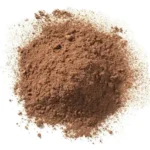
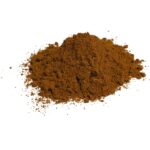
- Incorporation: It is typically added as a dry powder during the feed mixing process. Uniform blending is key to achieving consistent pellet quality.
- Storage: Store in a cool, dry environment to preserve its binding effectiveness, as moisture can degrade its performance.
- Quality Control: Regular testing of pellet durability is advised to fine-tune inclusion rates for optimal results.
Environmental and Market Insights
- Environmental Advantage: Repurposing this byproduct in feed contributes to sustainable agricultural practices by reducing waste.
- Market Demand: Its cost-effectiveness and proven efficacy make it a competitive option among feed binders, though alternatives like molasses or synthetic binders exist.
- Global Use: Its application varies globally, influenced by regional regulations and availability of the byproduct.
Future Trends
Ongoing research is exploring additional benefits, such as potential antioxidant effects or improvements to gut health, though these are not yet fully substantiated. As sustainability gains importance in agriculture, the use of byproduct-based additives like calcium lignosulfonate is expected to increase.
Agriculture Formulation Note
For buyers researching calcium lignosulfonate feed grade, CHINALIGNIN focuses this topic on lignin-based materials for fertilizer, crop nutrition, seed coating, soil conditioning and agrochemical formulation support.
- Application area: Agriculture & Crop Nutrition
- Typical users: fertilizer producers, agrochemical formulators, seed coating producers and agricultural distributors
- Main functions: chelation support, dispersion, binder support, soil conditioning and micronutrient delivery support
- Relevant products: sodium lignosulfonate, calcium lignosulfonate, potassium lignohumate, sodium lignohumate and ammonium lignohumate
Buyer Questions
Which agricultural formulations can use lignosulfonate or lignohumate?
These materials can be used in fertilizer granulation, liquid fertilizer systems, seed coating, soil conditioners and selected agrochemical dispersant systems depending on grade and formulation target.
Can CHINALIGNIN provide TDS, MSDS or samples?
Yes. CHINALIGNIN can support grade selection, TDS/MSDS review, samples, packing details and export quotation for agriculture lignin products.