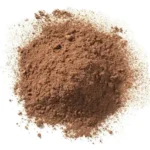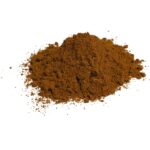


Sodium Lignosulfonate (CAS No. 8061-51-6) is a highly versatile, water-soluble, yellow-brown bio-polymer. Derived from natural wood lignin, it is a sustainable byproduct of the paper industry’s sulfite pulping process.
Valued globally for its exceptional dispersing, binding, chelating, and surfactant properties, this eco-friendly powder is a foundational chemical for the agriculture, construction, and animal feed industries.
1. Key Technical Specifications
When procuring Sodium Lignosulfonate powder, evaluating a batch-specific Certificate of Analysis (COA) is critical. Below are the standard baseline specifications for high-quality industrial and agricultural grades:
| Technical Parameter | Standard Range | Procurement & Operational Context |
| Appearance | Yellow-brown to light brown powder | Should have a mild, slightly aromatic woody odor. |
| Purity (Lignosulfonate) | 50% – 65% | Standard grade. (Note: Highly refined specialty grades can exceed 90%). |
| Dry Matter | 94% – 96% | Ensures you are not paying to ship excess water weight. |
| Moisture Content | 4% – 7% | Powder is highly hygroscopic; excess moisture causes severe clumping. |
| pH Level (Aqueous) | 7.0 – 10.0 | Varies by grade; some agricultural grades are slightly acidic (4.0 – 6.0). |
| Reducing Sugars | 5% – 8% | Critical to monitor if using as a concrete admixture (sugars retard setting times). |
| Water-Insoluble Matter | < 1% – 2% | Ensures clean mixing without clogging irrigation or spray equipment. |
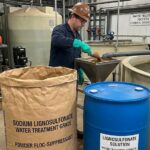
- Standard Packaging: Typically supplied in 25 kg (55.1 lbs) moisture-proof bags. Heavy industry bulk options include 500 kg (1,102 lbs) or 1 Metric Ton (2,204 lbs) jumbo FIBC super-sacks.
2. Global Sourcing and Pricing Dynamics
You can procure Sodium Lignosulfonate globally, with the heaviest manufacturing concentrations in China, India, Russia, and North America.
- Average Pricing: Global wholesale prices typically range from $0.50 to $1.00 per kg ($0.23 to $0.45 per lb), depending on origin and volume.
- Cost Drivers:
- Purity & Grade: Food-grade or ultra-high-purity animal feed grades are significantly more expensive than standard agricultural/soil conditioning grades.
- Manufacturing Region: Sourcing from Asian hubs (China, India) generally yields lower prices than Western markets due to raw material proximity and lower operational costs.
- Order Volume: Purchasing in Full Container Loads (FCL) of 10+ Metric Tons secures the steepest bulk discounts.
3. Pre-Purchase Considerations
Before issuing a Purchase Order, vet the product against your specific operational needs:
- Regulatory Certifications: If operating in Europe, ensure the supplier complies with REACH (Registration, Evaluation, Authorisation and Restriction of Chemicals). If formulating organic fertilizers, verify the product holds an OMRI (Organic Materials Review Institute) listing.
- Safety and Handling: While 100% non-toxic and biodegradable, the fine powder presents a minor inhalation hazard. Facility workers should handle it in well-ventilated areas wearing standard dust masks.
- Grade Verification: Explicitly state your end-use to the supplier. Agricultural-grade powder behaves differently than structural concrete-grade powder.
4. Agricultural Application Guidelines
In the agricultural sector, Sodium Lignosulfonate acts as a powerful soil conditioner and micronutrient chelator (a compound that binds to metal ions to help plants absorb them).
- Standard Dosage: For general soil amendment, apply 1 to 5 kg per hectare (approx. 0.9 to 4.5 lbs per acre). For seed coating, a 0.5% to 2.0% liquid solution is standard.
- Fertilizer Mixing: It is highly compatible with synthetic chemical fertilizers like Urea or DAP (Diammonium Phosphate). It can be applied via drip irrigation, foliar (leaf) spraying, or direct mechanical soil mixing.
5. Potential Operational Challenges
- pH Sensitivity in Soil: In highly acidic agricultural soils (pH < 4.0), the polymer may precipitate (turn back into a solid), drastically reducing its efficacy. Always test local soil pH before large-scale application.
- Nutrient Dependency: It is a growth stimulant and chelator, not a primary fertilizer. Its agricultural benefits will be severely limited if applied to barren, nutrient-poor soil without the addition of primary NPK (Nitrogen, Phosphorus, Potassium) fertilizers.
- Warehouse Storage: Because Sodium Lignosulfonate absorbs ambient moisture, bags must remain tightly sealed in a climate-controlled warehouse to prevent the powder from solidifying into unusable blocks.