
Calcium lignosulfonate is a versatile, water-soluble polymer derived from lignin, a natural component of wood, and produced as a byproduct of the sulfite pulping process in the paper industry. It is valued for its unique properties and wide-ranging applications across multiple industries.
What is Calcium Lignosulfonate?
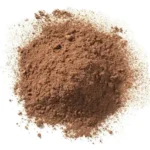
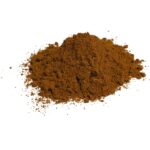
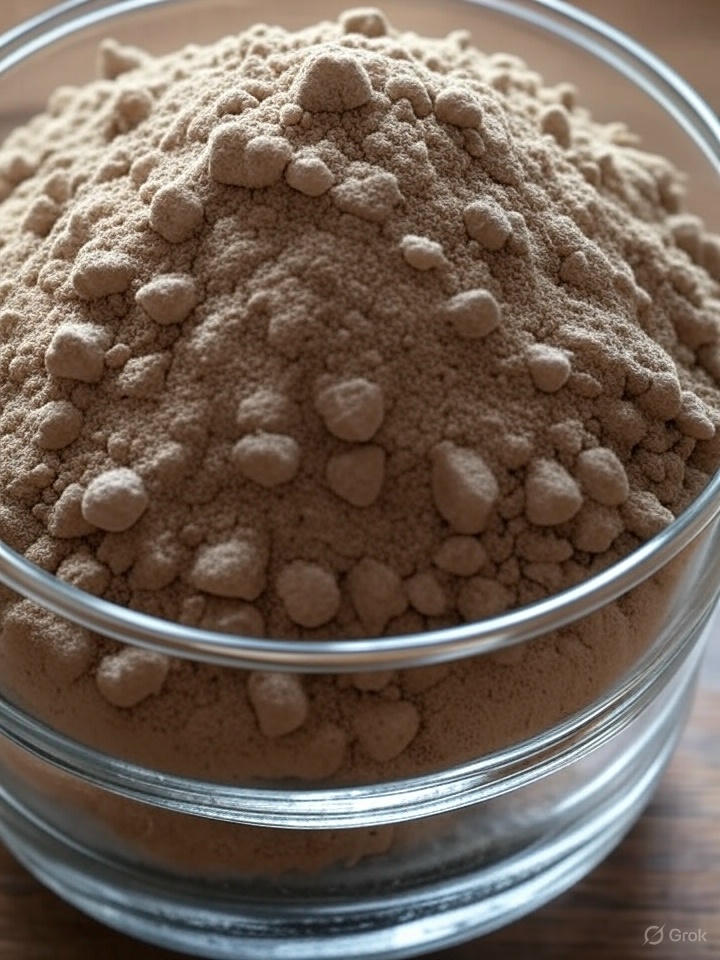
Calcium lignosulfonate is a calcium salt of lignosulfonic acid, typically containing 55–65% lignosulfonate. It appears as a light yellow to dark brown powder or a dark brown liquid, depending on its form. This compound is highly soluble in water, biodegradable, and derived from renewable resources, making it an environmentally friendly material.
Key Properties
- Solubility: Dissolves easily in water, forming viscous solutions, but is insoluble in organic solvents like alcohol.
- Physical Form: Available as a powder (hygroscopic, requiring dry storage) or liquid, with the powder being more convenient for transportation and storage.
- pH: Mildly acidic (pH 4–6 in a 1% solution), compatible with most applications.
- Molecular Weight: Varies from 800 to 250,000 Da, influencing its binding and dispersing capabilities.
- Eco-Friendly: Non-toxic, biodegradable, and sustainable due to its origin as a paper industry byproduct.
Applications
Calcium lignosulfonate is used in a variety of industries due to its ability to act as a dispersant, binder, and emulsifier. Here are its primary uses:
1. Construction
- Concrete Admixture: Improves concrete workability, strength, and durability by acting as a water reducer (8–12% reduction) or superplasticizer (up to 25% reduction). It also reduces cement usage and enhances resistance to cracking.
2. Agriculture
- Dust Control: Applied to unpaved roads and fields to suppress dust by binding particles, improving air quality and protecting crops.
- Soil Conditioner: Stabilizes soil, reduces erosion, and enhances water retention, particularly in sandy or loose soils.
- Animal Feed: Serves as a pellet binder in livestock feed, improving pellet durability and reducing waste.
3. Industrial Uses
- Dispersant: Enhances particle dispersion in products like pesticides, fertilizers, ceramics, and dyes.
- Emulsifier: Stabilizes emulsions in asphalt or oil drilling fluids.
- Binder: Used in briquetting, granulation, and pelletizing processes for various materials.
Benefits
- Sustainability: As a byproduct of the paper industry, calcium lignosulfonate supports waste recycling and has minimal environmental impact.
- Cost-Effective: Affordable due to its byproduct status, making it ideal for large-scale applications.
- Non-Corrosive: Safe for equipment and infrastructure, unlike some chloride-based alternatives.
- Versatile: Applicable across industries, from construction to organic farming.
Practical Considerations
- Storage: Store the powder form in sealed, dry conditions to prevent moisture absorption.
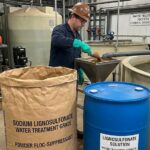
- Handling: Use protective gear (gloves, masks) when handling powder to avoid inhalation.
- Application: Follow manufacturer instructions for dilution and usage rates to ensure safety and effectiveness.
- Regulatory Status: Approved for use in organic farming (e.g., USDA NOP) and other regulated sectors, though local standards should be confirmed.