
Calcium lignosulfonate, a water-soluble byproduct of the sulfite pulping process in the paper industry, is increasingly used in organic farming as a versatile, eco-friendly material. Derived from lignin, a natural polymer in wood, it is considered a sustainable option for various agricultural applications, particularly for dust control, soil conditioning, and as a binding agent. Its use in organic farming is permitted under specific regulations, such as the USDA National Organic Program (NOP), when applied as a synthetic substance for approved purposes.
Applications in Organic Farming
- Dust Control:
- Use: Calcium lignosulfonate is sprayed onto unpaved farm roads, paths, or areas around fields, orchards, and livestock pens to suppress dust. It forms a sticky film that binds dust particles, preventing them from becoming airborne.
- Relevance to Organic Farming: Dust control is critical in organic farming to protect crops, workers, and animals from respiratory issues and to prevent dust from settling on produce, which could affect quality and marketability.
- Application Method: Mixed with water (typically 1:4 to 1:10 ratio) and applied at 0.3–0.5 gallons per square yard (1.4–2.3 liters/m²). Pre-wetting the surface enhances penetration, though it can be applied without pre-wetting in water-scarce areas.
- Effectiveness: A California study found calcium lignosulfonate reduces fine dust (PM10) by approximately 20%, less than synthetic polymers (90%) but sufficient for organic farms prioritizing eco-friendly solutions.
- Soil Conditioning and Stabilization:
- Use: Acts as a soil stabilizer by improving soil structure, reducing erosion, and enhancing water retention in sandy or loose soils.
- Relevance to Organic Farming: In organic systems, maintaining soil health without synthetic chemicals is critical. Calcium lignosulfonate can stabilize soil surfaces in high-traffic areas, such as paths between fields, without introducing harmful substances.
- Mechanism: Its binding properties help aggregate soil particles, reducing runoff and improving soil resilience in areas prone to wind or water erosion.
- Binding Agent in Animal Feed:
- Use: Used as a pellet binder in organic livestock feed to improve the durability and consistency of feed pellets.
- Relevance to Organic Farming: Enhances feed efficiency and reduces waste, aligning with organic principles of resource conservation. It is non-toxic and safe for animals when used within regulatory limits.
- Regulatory Note: Approved for use in organic feed production under USDA NOP, provided it meets purity standards and contains no prohibited additives.
- Dispersant in Organic Pesticides or Fertilizers:
- Use: Acts as a dispersing or emulsifying agent in organic-approved pesticide or fertilizer formulations, improving their application and effectiveness.
- Relevance to Organic Farming: Enhances the delivery of organic inputs, ensuring even distribution without compromising organic certification.
- Example: Used in foliar sprays to improve adhesion to plant surfaces, increasing the efficacy of natural pest control agents.
Benefits in Organic Farming
- Eco-Friendly and Sustainable:
- Derived from renewable wood sources, calcium lignosulfonate is biodegradable and non-toxic to plants, animals, and soil microorganisms when applied correctly.
- Unlike chloride-based dust suppressants (e.g., calcium chloride), it does not contribute to soil salinity or groundwater contamination, making it ideal for organic systems near water sources.
- As a byproduct of the pulping industry, it supports waste recycling, aligning with organic farming’s emphasis on sustainability.
- Regulatory Compliance:
- Approved as a synthetic substance for specific uses in organic farming under USDA NOP (7 CFR 205.601) and other international organic standards (e.g., EU organic regulations), particularly for dust suppression and as a feed pellet binder.
- Contains trace heavy metals (typically <1 ppm), well below EPA safety thresholds, ensuring it meets organic safety standards.
- Cost-Effective:
- As a byproduct, it is relatively inexpensive compared to other organic-approved dust suppressants or soil stabilizers, reducing input costs for organic farmers.
- Long-lasting effects (often months per application) minimize reapplication frequency, saving labor and resources.
- Versatility:
- Suitable for diverse organic farming contexts, including orchards, vineyards, vegetable fields, and livestock operations.
- Safe for use near sensitive crops (e.g., grapes, berries) and livestock, unlike corrosive alternatives like magnesium chloride.
- Health and Environmental Benefits:
- Reduces airborne dust, improving air quality for farm workers, livestock, and nearby communities.
- Prevents dust from coating organic produce, maintaining quality and reducing post-harvest cleaning needs.
Limitations in Organic Farming
- Effectiveness Constraints:
- Less effective at controlling fine dust (PM10) compared to synthetic polymers (20% vs. 90% reduction), which may require more frequent applications in high-traffic or windy areas.
- Performs best in dry, low-humidity conditions. In wet climates, the binding film may resolubilize and wash away, potentially requiring reapplication or careful management to avoid runoff into water sources.
- Soil Compatibility:
- Less effective on sandy, alkali-rich, or red cinder soils due to poor penetration. Adding a surfactant can improve performance, but this must be organic-approved to maintain certification.
- May not provide long-term soil structural benefits compared to organic matter amendments like compost or cover crops.
- Residue Management:
- Can leave a sticky residue on farm equipment or vehicles, requiring cleaning with warm, soapy water. This may increase water usage in water-scarce regions.
- Residue on crops (if oversprayed) could affect marketability, requiring careful application to avoid contact with produce.
- Regulatory Oversight:
- While approved for organic use, farmers must verify with their certifier that calcium lignosulfonate is permitted for their specific application (e.g., dust control vs. feed binding) and sourced from a compliant supplier.
- Documentation, such as a Certificate of Analysis (CoA) or Material Safety Data Sheet (MSDS), may be required to confirm purity and absence of prohibited substances.
Practical Considerations for Use
- Application Guidelines:
- Dust Control: Mix with water and apply using a sprayer or water truck. Pre-grade and pre-wet surfaces (2–3 inches penetration) for optimal results. No curing time is needed; fields or roads can be used immediately.
- Feed Binding: Use at low inclusion rates (typically 0.5–2% of feed) to ensure pellet durability without affecting nutritional quality.
- Pesticide/Fertilizer Dispersant: Follow formulation guidelines, typically 1–5% of the spray solution, to enhance adhesion and coverage.
- Frequency:
- For dust control, 1–2 applications per season (e.g., during the dry season) are usually sufficient, depending on traffic, weather, and soil type.
- Monitor weather forecasts to avoid application before heavy rain, which can wash away the product.
- Storage and Handling:
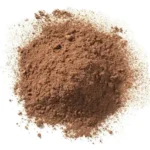
- Store calcium lignosulfonate powder in a dry, sealed environment to prevent clumping, as it is hygroscopic.
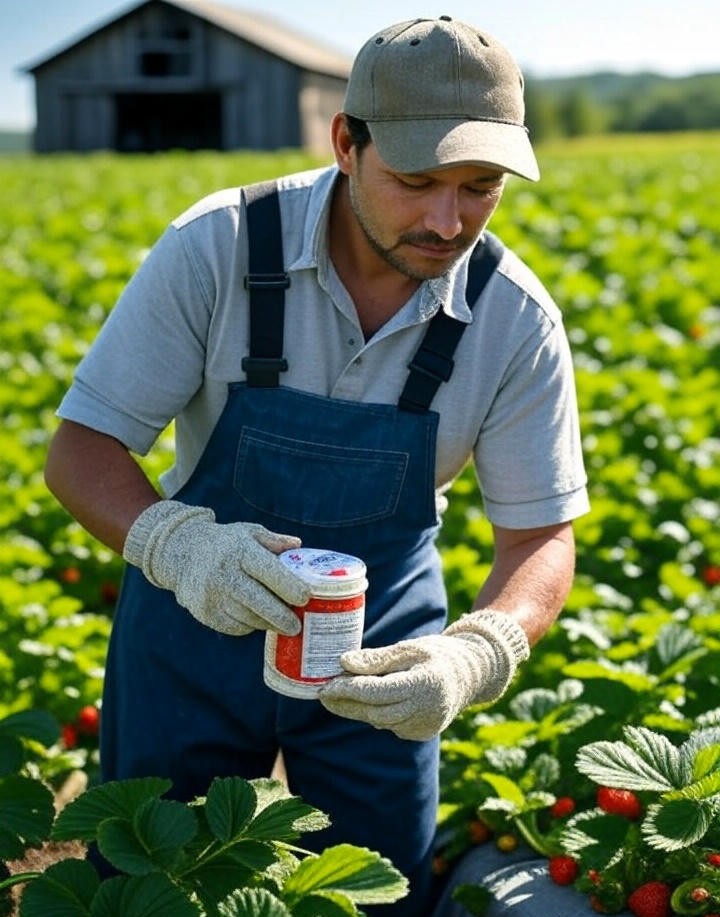
- Use protective equipment (gloves, masks) during handling to avoid inhalation of fine powder, though it is non-toxic.
- Supplier Selection:
- Purchase from suppliers offering organic-compliant grades, with CoA and MSDS documentation to verify purity and safety.
- Request samples to test compatibility with local soil, crops, or feed formulations before bulk purchase.
- Environmental Management:
- Avoid overspraying near water bodies to prevent runoff, which could lead to temporary water discoloration (though not toxic).
- Use in rotation with other organic soil management practices (e.g., cover cropping) for long-term soil health.
Comparison to Alternatives in Organic Farming
- Water:
- Pros: Inexpensive, readily available, and organic-compliant.
- Cons: Short-term dust suppression (hours to days), high water usage, impractical in arid regions.
- Organic Mulches (e.g., Straw, Wood Chips):
- Pros: Fully organic, improve soil health, long-term dust control in some contexts.
- Cons: Labor-intensive, less effective on high-traffic roads, may not bind fine dust as effectively.
- Chloride-Based Suppressants (e.g., Calcium Chloride):
- Pros: Hygroscopic, effective in moderate humidity.
- Cons: Not permitted in organic farming due to potential soil and water contamination, corrosive to equipment.
- Synthetic Polymers (e.g., Polyvinyl Acrylic):
- Pros: Superior dust suppression (up to 90% PM10 reduction).
- Cons: Often not organic-approved, less biodegradable, higher cost.