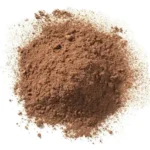

Lignin is an aromatic biopolymer that gives plant cell walls rigidity and resistance to compression. Industrial lignin is recovered mainly from pulp and biorefinery streams, but it is not a single, uniform material. Feedstock, pulping chemistry, isolation method and post-treatment all influence molecular structure, ash, sulfur content, solubility, colour and reactivity. Those differences determine which lignin applications are technically and commercially realistic.
This guide separates established commercial uses from applications that still require development or application-specific qualification. Buyers evaluating a lignin product should match the grade to a defined process and validate performance with their own formulation, raw materials and test method.
Established and developing lignin applications
| Application area | Typical role | Commercial maturity | Key qualification questions |
|---|---|---|---|
| Pulp-mill energy and chemical recovery | Fuel value of lignin-rich process streams and recovery of pulping chemicals | Established within integrated mills | Process integration, solids content, boiler design and recovery balance |
| Lignosulfonate binders and dispersants | Particle binding, dispersion, granulation and rheology control | Established for selected formulations | Counter-ion, molecular-weight distribution, solids, ash, pH and compatibility |
| Resins, adhesives and polymer modification | Partial renewable aromatic component or functional filler | Commercial in selected systems; formulation dependent | Reactivity, substitution level, cure behaviour, emissions and final properties |
| Agricultural formulations | Binder, carrier, complexing component or formulation aid, depending on derivative | Established for specific lignosulfonate and lignohumate grades | Crop and market requirements, solubility, impurities, nutrient compatibility and regulatory status |
| Carbon materials, bioplastics and aromatic chemicals | Carbon precursor, polymer component or chemical feedstock | Developing to commercial, depending on route | Purity, fractionation, thermal behaviour, consistency and process economics |
Agriculture and fertilizer formulation
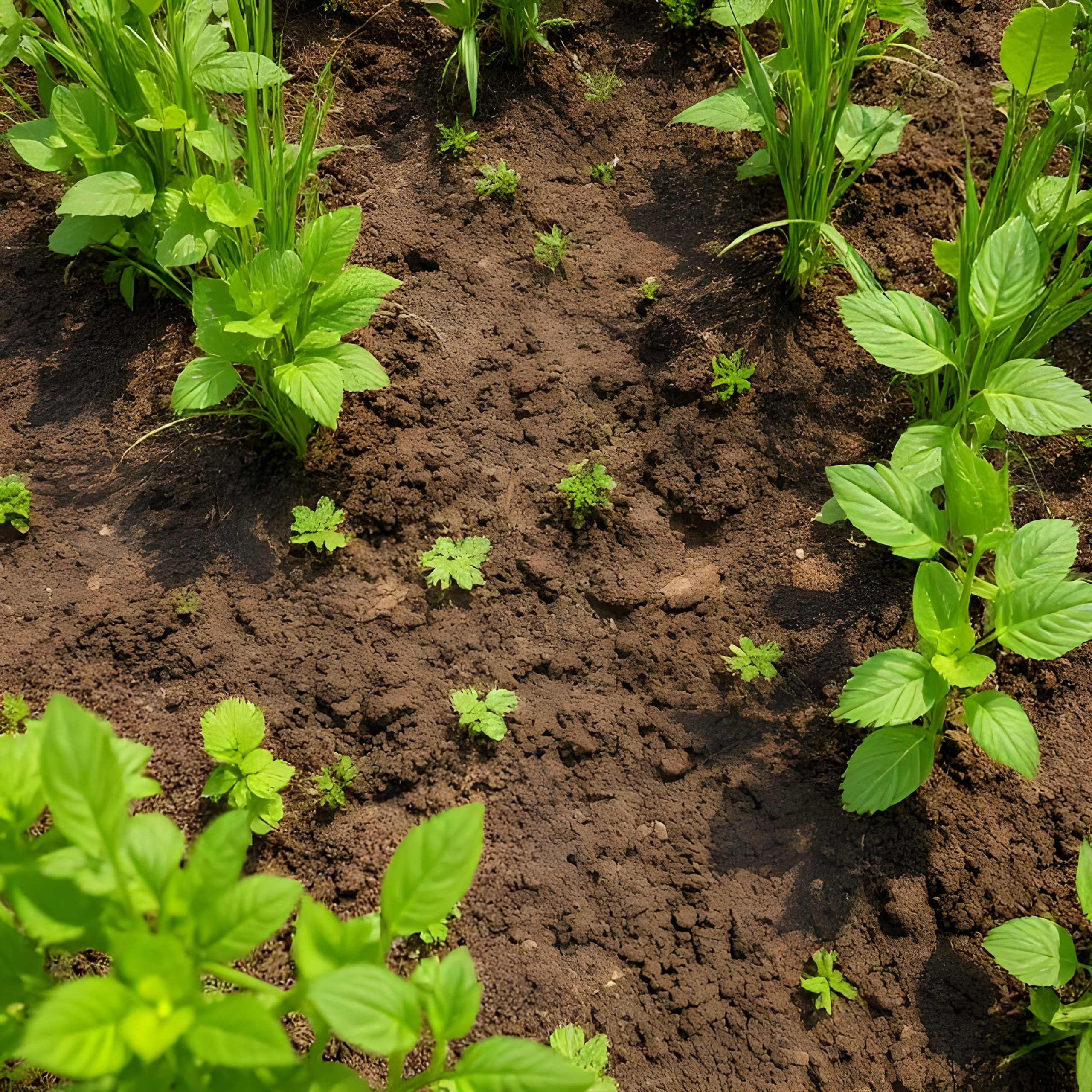
Agricultural use normally depends on a defined lignin derivative rather than untreated lignin. Lignosulfonates may serve as binders in fertilizer granulation, carriers in micronutrient systems or formulation aids where water solubility and anionic functionality are useful. Lignohumate products occupy a separate category and should be evaluated according to their declared composition and intended soil or crop application.
Performance cannot be inferred from the word “lignin” alone. Formulators should review the exact grade, counter-ion, dry-solids basis, ash and insoluble matter, pH, colour, storage stability and compatibility with nutrients or active ingredients. Any addition level should be treated as a supplier-recommended starting trial range only when supported by the current technical data sheet for that grade. Laboratory and field validation remain necessary.
Binders, dispersants and process aids
Water-soluble lignosulfonates are established multifunctional ingredients in selected industrial systems. Their adsorption on particle surfaces can contribute to dispersion, while their polymeric character can support binding and granulation. The balance between these functions depends on molecular-weight distribution, charge density, counter-ion, solution chemistry and the surfaces present in the formulation.
Relevant uses include mineral and ceramic processing, agglomeration, dust-management systems and selected water-based formulations. These applications belong to different technical markets, so one grade should not be assumed to perform equally in all of them. Industrial buyers can review the dedicated LigninCorp industrial chemicals division, while neutral chemistry and specification references are available through the Lignosulfonate Knowledge Hub.
Resins, adhesives and polymer materials
Lignin contains aromatic structures and functional groups that can be used in resin development, adhesive formulation and polymer modification. Commercial feasibility depends on how effectively a specific lignin can be incorporated without compromising cure behaviour, viscosity, adhesion, moisture resistance or manufacturing consistency.
In some systems lignin replaces part of a conventional aromatic raw material; in others it acts as a functional filler or is chemically modified before use. Claims about reduced emissions, biodegradability or improved mechanical performance must be supported by data for the complete formulation and test method. They should not be generalized from the presence of lignin alone.
Energy, carbon products and aromatic chemicals
Integrated pulp mills routinely recover energy and process chemicals from lignin-rich streams. Isolated lignin may also be evaluated as a solid fuel or as feedstock for thermochemical conversion, but energy value and handling properties depend on moisture, ash, elemental composition and processing history.
Higher-value routes include carbon materials, polymer blends and production of aromatic intermediates. These routes range from pilot development to commercial operation. Fractionation, depolymerization, purification and product consistency are central technical challenges. A laboratory result does not by itself demonstrate a scalable or economically competitive process.
Emerging applications: how to interpret the evidence
Research continues into lignin-based electrodes, adsorbents, coatings, controlled-release systems and advanced composites. These are credible development areas, but maturity varies widely. Publications may use highly purified, fractionated or chemically modified lignin that differs substantially from a commercial bulk grade.
When assessing an emerging use, confirm the lignin source, isolation route, modification chemistry, control formulation, test conditions and scale. Avoid translating early laboratory findings into universal safety, environmental or performance claims.
How to select and qualify a lignin grade
- Define the required function. Specify whether the material must disperse, bind, complex, modify a polymer, provide carbon or serve as a chemical feedstock.
- Identify the material family. Distinguish kraft lignin, soda lignin, lignosulfonate, hydrolysis lignin and chemically modified grades.
- Review critical properties. Request the current TDS and SDS, including test methods and whether values are specifications or typical results.
- Screen compatibility. Test solubility or dispersibility, pH response, salts, water quality, temperature and interactions with other formulation components.
- Validate performance. Use a controlled comparison with the actual raw materials, process sequence and acceptance criteria.
- Confirm scale-up and documentation. Check batch consistency, storage, packaging, regulatory requirements and supply conditions before production adoption.
Information to include in an inquiry
Provide the intended application, required function, liquid or powder preference, target solids or concentration, relevant process conditions, destination market, packaging requirement and the tests used for approval. This information allows the supplier to recommend a technically appropriate starting grade without presenting a universal dosage or guaranteed result.
For agricultural lignin and lignin-derived materials, review the China Lignin solutions or contact the technical team with your formulation and documentation requirements.