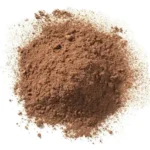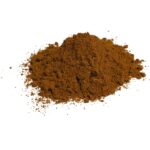


Lignin is a complex organic polymer found abundantly in the cell walls of plants. Acting as nature’s glue, it provides wood and bark with their structural strength and rigidity. As the second most abundant natural polymer on Earth (behind cellulose), lignin is a primary component of lignocellulosic biomass—which includes trees, grasses, and agricultural residues.
Historically, industries like papermaking treated lignin as a low-value waste product, burning it off simply to isolate cellulose fibers. Today, however, scientists and engineers recognize lignin as a highly valuable, renewable resource. It is actively replacing fossil-based materials across global supply chains, driving sustainable innovation in six major sectors.
1. Energy Production & Biofuels
Lignin’s high carbon content and energy density (calorific value) make it an industrial powerhouse for renewable energy generation.
- Direct Combustion: In the pulp and paper industry, lignin-rich byproducts like black liquor (a thick residue from Kraft pulping) are burned in recovery boilers. This generates enough heat and electricity to power the entire mill, with surplus energy often fed back into the local power grid. Its energy output—around 25 to 30 Megajoules per kilogram (MJ/kg)—is highly comparable to coal.
- Advanced Biofuels: Through processes like pyrolysis (heating without oxygen) and gasification, lignin is transformed into bio-oil and syngas. Because its chemical ring-like (aromatic) structure mimics petroleum, these outputs can be refined into drop-in liquid fuels, such as renewable diesel and aviation jet fuel.
2. Biomaterials and Bioplastics
Lignin‘s natural stiffness, UV resistance, and antioxidant capabilities make it a premium ingredient for sustainable material manufacturing.
- Bioplastics: Lignin is blended with base polymers like Polylactic Acid (PLA) to create bioplastics with vastly improved heat resistance and strength. Because lignin naturally blocks UV light, it extends the lifespan of sustainable packaging without the need for toxic, synthetic chemical additives.
- Carbon Fibers: Traditional carbon fiber is made from Polyacrylonitrile (PAN), an expensive petroleum derivative. Lignin can be spun into fibers, stabilized with heat, and carbonized to create lightweight, high-strength carbon fibers for use in the automotive and aerospace industries.
- Wood Composites: Lignin acts as a natural binder in particleboard, medium-density fiberboard (MDF), and plywood.
3. Chemical Production
Lignin‘s aromatic chemical backbone is a goldmine for producing valuable, high-demand chemicals.
- Aromatic Compounds: Through targeted chemical processes, lignin is broken down into phenolic compounds like catechols, guaiacols, and commercial vanillin (the widely used flavoring and fragrance agent).
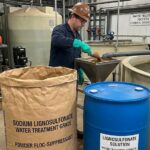
- Lignosulfonates: Created as a byproduct of sulfite pulping, lignosulfonates are highly versatile water-soluble derivatives. They are utilized globally as dispersants in concrete manufacturing, binders in animal feed pelleting, and leveling agents in the textile dye industry.
4. Eco-Friendly Construction
Lignin is helping the heavy construction industry drastically lower its carbon footprint and improve worker safety.
- Formaldehyde-Free Adhesives: Conventional wood glues release Volatile Organic Compounds (VOCs), like formaldehyde, which pose severe respiratory health risks. Lignin-Phenol-Formaldehyde (LPF) resins and fully lignin-based adhesives eliminate or drastically reduce these toxic emissions while maintaining structural strength.
- Concrete Superplasticizers: As mentioned above, lignosulfonates act as powerful water-reducing agents in concrete. By safely dispersing cement particles, they allow engineers to use significantly less water and cement, shrinking the carbon footprint of massive infrastructure projects like bridges and high-rises.
5. Agricultural Applications
Because it is derived from nature, lignin is naturally compatible with soil ecosystems.
- Soil Conditioners: Adding lignin to agricultural soil improves water retention, aeration, and microbial health. Its chemical structure holds onto vital positively charged nutrients (cations) like potassium and calcium, preventing them from washing away in the rain. Lignin-based hydrogels act like sponges, releasing water slowly during droughts.
- Natural Pesticide Delivery: Lignin-derived compounds possess natural antimicrobial and antifungal properties. Furthermore, lignin nanoparticles are being engineered to deliver targeted organic pesticides directly to crops, reducing the volume of chemicals that run off into local rivers.
Current Industry Challenges
While the potential is vast, scaling lignin technology requires overcoming several technical hurdles:
- Structural Variability: Lignin’s chemical makeup changes depending on the plant source (e.g., pine tree vs. wheat straw) and the extraction method used, making industrial standardization difficult.
- Processing Costs: Breaking the tough lignin polymer down into usable chemicals currently requires high energy inputs and expensive catalysts.
- Infrastructure: Transitioning lignin from a simple pulp mill byproduct into a refined, globally traded commodity requires massive capital investment in advanced biorefinery infrastructure.
Conclusion
Lignin’s journey from industrial waste to a highly prized sustainable resource is a testament to green chemistry. As global industries race to decarbonize their supply chains, lignin will play an increasingly central role—powering biorefineries, building greener cities, and reducing our reliance on fossil fuels.