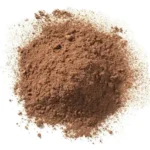

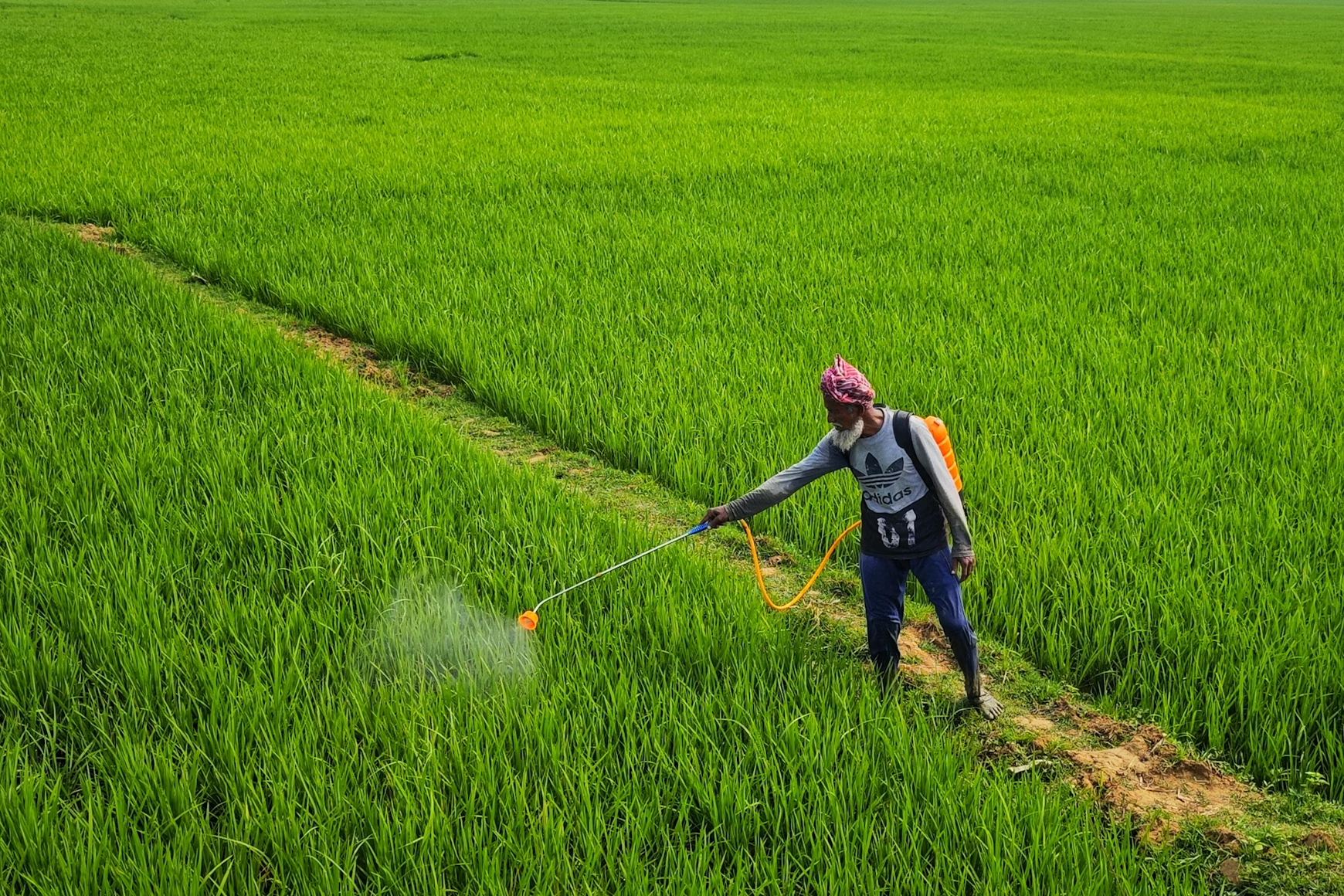
Lignosulfonate is a water-soluble polymer derived from lignin during sulfite pulping. In selected crop-protection formulations, an appropriate lignosulfonate grade may support particle dispersion, granule binding or processing. Its suitability depends on the active ingredient, formulation type, water chemistry, other auxiliaries and the required finished-product specification. It is a formulation aid, not a pesticidal active ingredient.
Where lignosulfonate may fit
Formulators may evaluate lignosulfonate in wettable powders (WP), water-dispersible granules (WDG), suspension concentrates (SC), conventional granules and some seed-treatment systems. The intended function must be defined before a grade is selected.
- Particle dispersion: Adsorption on solid surfaces may help control agglomeration in compatible aqueous systems.
- Granule binding: Lignosulfonate may provide green strength during granulation and reduce breakage during downstream handling.
- Processing support: Wetting and rheology effects may be useful in certain systems, but they vary with grade and formulation chemistry.
- Carrier compatibility: Performance can change with clay, mineral fillers, salts, hardness ions and the selected active ingredient.
What agriculture buyers should verify
A commercial name alone is not enough to qualify a formulation auxiliary. Buyers should identify the exact formulation, active ingredient, carrier system and manufacturing process, then request current technical and safety documentation for the proposed grade.
- Product identity, counter-ion, solids or moisture basis, pH test method and relevant impurity limits.
- Compatibility with the active ingredient, surfactant package, defoamer, salts and process water.
- Dispersion, suspensibility, wetting, particle-size stability, viscosity and storage behaviour using methods appropriate to the formulation.
- Granule strength, attrition, disintegration and redispersion where WDG or granular products are involved.
- Current TDS, SDS and batch COA, together with regulatory documentation required in the destination market.
Dosage, performance and evidence limits
There is no universal lignosulfonate dosage for pesticide formulations. A starting level should be supplied only for the exact grade and with a clearly defined basis, such as total formulation weight or dry solids. The final addition level must be established through laboratory screening, accelerated storage and plant trials under the buyer’s actual conditions.
Standard lignosulfonate should not automatically be described as an emulsifier, ultraviolet stabilizer, controlled-release system or complete wetting package. Those functions may require chemical modification, complementary surfactants or formulation-specific evidence. Claims about biodegradability, organic-production eligibility, worker safety, residues or environmental benefit also require product-specific and jurisdiction-specific documentation.
A practical qualification sequence
- Define the target formulation and the function expected from the auxiliary.
- Screen candidate grades against a control using the same raw materials and water.
- Check immediate properties, then repeat the required tests after accelerated and ambient storage.
- Confirm manufacturing behaviour, addition sequence and scale-up in a controlled plant trial.
- Approve the grade only against a written specification and current batch documentation.
Technical formulation guidance
For a detailed comparison of WP, WDG, SC and granular systems, including a formulation test matrix and grade-selection criteria, see the Green Agrochem Surface & Interface Technology guide: Lignosulfonate for Pesticide Formulations: Selection and Testing Guide.
This ChinaLignin page remains an agriculture overview for crop-protection buyers. Detailed dispersant and formulation-auxiliary evaluation belongs to GreenAgrochem.net, while grade-specific acceptance limits should come from the current supplier TDS, SDS and COA.
Request technical support
When requesting a recommendation, provide the formulation type, active ingredient, carrier or filler, process water, target test methods, packaging format and destination market. Contact info@greenagrochem.com for grade documentation and a formulation-specific trial plan.