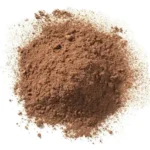

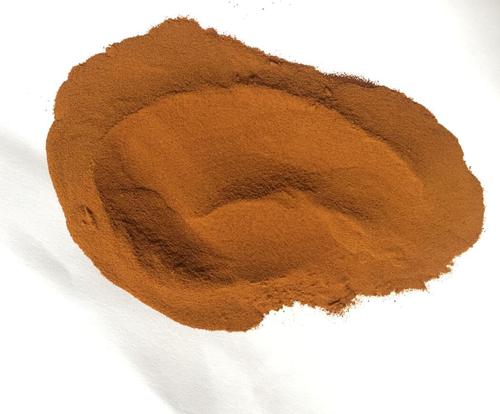
Lignosulfonates are highly versatile, water-soluble bio-polymers derived from the sulfite pulping process in the wood and paper industries. During this process, natural plant lignin (the organic glue that gives trees their strength) is chemically modified to create a compound with exceptional dispersing, emulsifying, and adhesive properties.
In the global agricultural sector, these plant-based polymers serve as highly effective, eco-friendly functional additives for the commercial manufacturing of poultry, swine, cattle, and aquaculture feeds.
1. Core Functions in Feed Manufacturing
While lignosulfonates are utilized in several capacities, their primary role in the feed industry is to physically stabilize the final product.
Elite Pellet Binding
Commercial feed is primarily manufactured in pellet form to improve handling, maximize feed intake, and prevent animals from selectively picking out specific ingredients. However, pellets must be highly durable to withstand the friction of storage, packaging, and international transport.
- The Problem with “Fines”: When brittle pellets break apart, they create “fines” (powdery feed dust). High levels of fines reduce overall feed efficiency and create costly waste.
- The Lignosulfonate Solution: Due to its natural adhesive properties, lignosulfonate acts as a powerful bio-glue during the high-heat pellet extrusion process. It securely binds the feed particles together, dramatically increasing the physical hardness and durability of the pellet.
Anti-Caking and Dust Suppression
- Anti-Caking: In powdered feed mixes or pre-mixes, lignosulfonates act as an anti-caking agent. They lightly coat fine particles, preventing them from absorbing ambient moisture and clumping together. This ensures the feed flows smoothly through automated silos and machinery.
- Dust Suppression: By securely binding the feed and reducing broken fines, it suppresses airborne dust. This protects the respiratory health of the livestock and ensures a safer, cleaner breathing environment for facility workers.
2. Nutritional Impact and Biological Safety
Lignosulfonates are added strictly for their physical manufacturing benefits. It is important for feed formulators to understand their biological profile:
- Non-Nutritive: Lignosulfonates do not provide direct calories, proteins, or nutritional value to the animal. They are functional additives, not dietary ingredients.
- Palatability: These polymers have a very mild, neutral taste. When used at the recommended industry dosages, they do not negatively affect the animal’s desire to eat the feed.
- Digestibility: Lignosulfonates are generally biologically inert. While extreme excessive amounts could theoretically interfere with gut flora, standard commercial inclusion levels are entirely safe and do not negatively impact the animal’s digestive tract or nutrient absorption.
3. Standard Dosage and Regulatory Status
- Global Safety Standards: When processed correctly, lignosulfonates are strictly regulated to ensure they are free of hazardous heavy metals. In the United States, they are classified by the FDA as GRAS (Generally Recognized As Safe) for use in animal feed. Similar approvals exist under European and Asian regulatory frameworks.
- Standard Inclusion Rate: The standard dosage typically ranges from 0.5% to 2.0% of the total feed weight, depending on the specific feed formulation, the moisture content of the raw ingredients, and the machinery used.
4. Potential Limitations to Monitor
While highly beneficial, feed mill operators should be mindful of the following parameters to ensure optimal results:
- Risk of Over-Binding: Exceeding the 2.0% inclusion rate can make the pellets too physically hard. Pellets that are rock-hard can reduce the animal’s feed intake and become difficult for younger livestock to digest.
- Moisture Sensitivity: The natural moisture content of your raw feed ingredients will impact how well the lignosulfonate activates and binds. Mill operators may need to adjust steam levels during extrusion.
- Additive Compatibility: Always test small batches to ensure the binder does not negatively interact with sensitive liquid additives, like specific live enzymes or liquid vitamins.
Conclusion
Lignosulfonates provide a highly cost-effective, eco-friendly solution to one of the feed industry’s biggest challenges: physical feed degradation. By dramatically improving pellet durability, reducing waste, and suppressing hazardous dust, they streamline the manufacturing process from the mill to the farm.