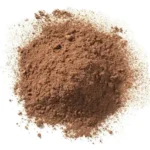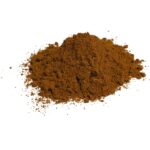

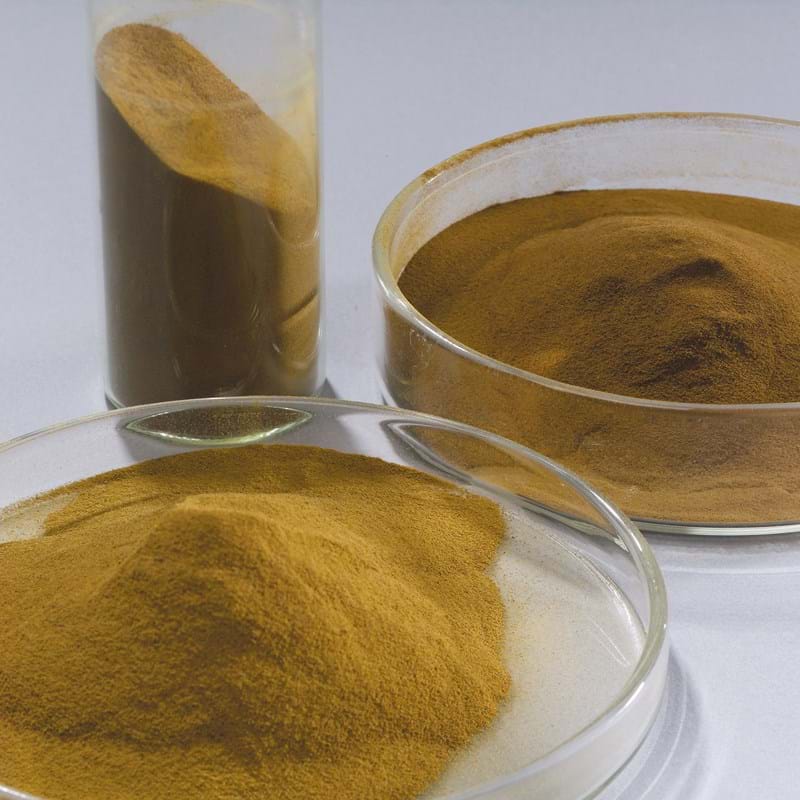
Magnesium Lignosulfonate is an incredibly versatile, water-soluble bio-polymer. Extracted as a renewable byproduct from the sulfite pulping process in the paper industry, it functions as an elite natural dispersant, binder, chelating agent, and stabilizer.
Because it safely introduces bioavailable magnesium into the environment while performing heavy-duty industrial tasks, it has become a highly sought-after, sustainable alternative to synthetic chemicals across three primary global sectors.
1. Agriculture and Animal Nutrition
Because it is derived from natural plant lignin, Magnesium Lignosulfonate is fully biocompatible and highly beneficial for both soil and livestock.
- Animal Feed Pelleting: Used globally as a natural binder in pelleted livestock feeds (poultry, swine, cattle). It drastically reduces pellet breakage and dust during transport. Furthermore, it serves as a direct dietary magnesium supplement, which supports muscle function, nerve transmission, and enzyme activation in animals.
- Agriculture & Soil Management: Acts as an advanced soil conditioner and fertilizer additive. It improves soil structure and water retention while preventing erosion. For crops planted in magnesium-deficient soils, it supplies the essential magnesium required for chlorophyll synthesis (the process that drives photosynthesis), directly boosting crop yields.
- Pesticide Formulations: Serves as a dispersant and carrier in liquid herbicides and wettable pesticide powders. It prevents the active chemical ingredients from settling at the bottom of the tank, ensuring the farmer achieves a uniform, even spray across the crop canopy.
2. Heavy Industry and Construction
The polymer’s ability to alter the physical properties of water and solid particles makes it invaluable in harsh manufacturing environments.
- Concrete and Cement Admixtures: Functions as a highly effective water-reducing agent (plasticizer). By dispersing cement particles, it lowers the water-to-cement ratio, creating highly workable, easily pumpable concrete that cures into a much stronger, denser, and more durable final structure.
- Oil & Gas Drilling: Deployed deep underground as a viscosity modifier and dispersant in drilling muds. It maintains the fluid stability of the mud under extreme high-pressure and high-temperature (HPHT) conditions, lubricating the drill bit and preventing costly blowouts.
- Industrial Dust Control: Sprayed onto unpaved mining haul roads and construction sites. The polymer binds fine dirt particles together to form a hard, durable crust. This actively suppresses hazardous airborne dust, protecting heavy machinery and worker health.
3. Chemical Processing and Emerging Technologies
Magnesium Lignosulfonate‘s unique chemical structure—specifically its ability to bind (chelate) metal ions—is driving innovation in advanced processing and green tech.
- Water Treatment: Used as a chelating agent to bind heavy metals (like lead and copper) in industrial wastewater. Once bound, these toxic metals can be safely filtered out, helping factories meet strict municipal environmental discharge regulations.
- Refractory Materials and Ceramics: Acts as a binder that ensures uniform material distribution in raw ceramic and refractory clay. When fired in extreme-heat kilns (like those used for steel production), it facilitates the creation of exceptionally strong, heat-resistant bonds.
- Pigments and Carbon Black: Added to industrial printing inks, dyes, and coatings to prevent pigments from clumping, ensuring smooth, vibrant, and uniform color application.
Emerging “Green Tech” Applications
As global industries race to decarbonize, R&D teams are exploring Magnesium Lignosulfonate for next-generation technologies:
- Energy Storage: Its unique properties are being researched to enhance electrolyte performance in experimental magnesium-ion batteries.
- Biomedical Pharmaceuticals: Because it is highly biocompatible and non-toxic, medical researchers are evaluating it as a slow-release carrier matrix for specialized drug delivery systems.
- Bio-Plastics: It is actively being blended into renewable, biodegradable plastics to replace petroleum-based resins.
The Sustainable Advantage
Switching to Magnesium Lignosulfonate provides global supply chains with a distinct triple-bottom-line advantage:
- Sustainability: Upcycling a paper industry byproduct directly supports the circular economy and reduces fossil fuel reliance.
- Cost-Effectiveness: It is historically more economical and subject to less price-volatility than premium synthetic chemical alternatives.
- Eco-Safety: It is 100% biodegradable, leaving no toxic ecological footprint when introduced into soils or water systems.