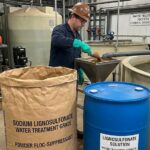

Magnesium Lignosulfonate (CAS No. 8061-54-9) is a highly versatile, water-soluble anionic polyelectrolyte. It is derived from lignin—a complex, natural organic polymer found in the cell walls of plants.
During the sulfite pulping process in the paper manufacturing industry, wood is treated to separate cellulose fibers, leaving lignosulfonates behind as a valuable, renewable byproduct. When lignosulfonic acid is neutralized with magnesium hydroxide or magnesium oxide, it creates the magnesium salt form: Magnesium Lignosulfonate.
Because of its powerful ability to act as a dispersant, natural binder, and chemical stabilizer, this eco-friendly compound is heavily utilized across the global construction, agriculture, and manufacturing sectors.
1. Chemical and Physical Properties
Magnesium Lignosulfonate features a complex, high-molecular-weight structure. Its lignin backbone is attached to sulfonate groups (-SO₃⁻), which give the molecule its strong anionic (negative) charge. This charge is what makes the compound such a highly effective dispersant.
| Property | Standard Specification | Technical Notes |
| CAS Number | 8061-54-9 | Globally recognized chemical identifier. |
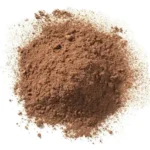
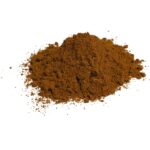
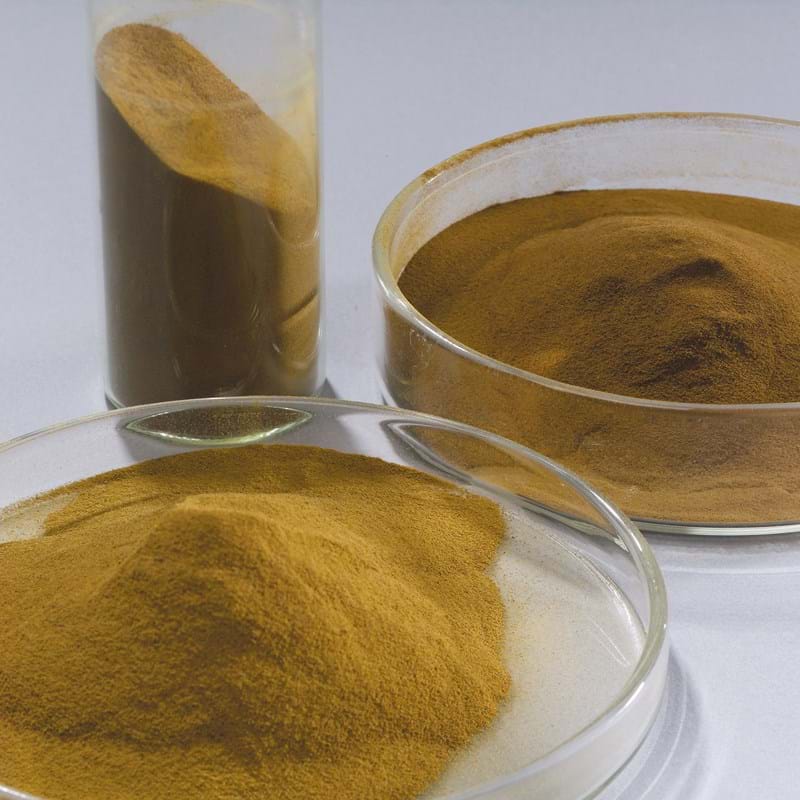
| Appearance | Light to dark brown powder / Viscous brown liquid | Varies based on preparation and concentration. |
| Molecular Weight | 1,000 – 50,000 Daltons (Da) | Highly variable due to the natural structure of lignin. |
| Solubility | Highly soluble in water | Insoluble in organic solvents (e.g., ethanol, acetone). |
| pH Level | 4.0 – 7.0 (Aqueous solution) | Mildly acidic to neutral; depends on the degree of neutralization. |
| Ionic Nature | Anionic (Negatively charged) | Driven by sulfonate groups; ideal for electrostatic dispersion. |
| Thermal Stability | Stable under moderate heat | May degrade if exposed to extreme, prolonged high temperatures. |
2. Core Industrial Applications
Magnesium Lignosulfonate’s unique chemical structure allows it to serve multiple functions—reducing water, binding materials, and stabilizing mixtures—across a wide array of industries:
Construction and Concrete Admixtures
It is globally utilized as a water-reducing agent (plasticizer) in concrete formulations. By safely dispersing cement particles, it reduces the amount of water required in the mix. This significantly improves the workability of the concrete and increases its final compressive strength without compromising structural integrity, leading to both cost savings and higher performance.
Animal Feed and Agriculture
- Pellet Binder: In the agricultural sector, it serves as a natural, safe binder for pelleted animal feed. It ensures the creation of durable pellets that resist breaking during packaging, transport, and storage.
- Nutritional Benefit: It acts as a trace source of magnesium, an essential dietary mineral for livestock health.
- Agrochemical Dispersant: Used in pesticide and fertilizer formulations to ensure active chemical ingredients are evenly distributed, enhancing crop efficacy and reducing waste.
Manufacturing and Heavy Industry
- Dust Control: Highly effective for dust suppression on unpaved roads, mining operations, and construction sites. It binds fine dirt particles together, preventing airborne dust and improving environmental safety.
- Oil & Gas Drilling: Integrated into drilling muds as a dispersant and viscosity modifier. It stabilizes the mud under the earth’s surface, preventing equipment clogging during active drilling.
- Ceramics and Refractories: Acts as a binder and plasticizer, improving the “green strength” (unfired strength) of ceramic bodies to aid in the molding and shaping process.
3. Environmental Profile and Safety
As the global manufacturing sector shifts toward “Green Chemistry,” Magnesium Lignosulfonate stands out as a premier sustainable material.
- Eco-Friendly & Renewable: Derived entirely from renewable plant-based sources (wood pulp). It reduces industrial reliance on petroleum-based synthetic chemicals.
- Biodegradable: Fully biodegradable and breaks down naturally without leaving toxic residues in the soil or water.
- Handling Safety: Generally recognized as non-toxic and poses no significant risk to human health or the environment. However, workers handling the dry powder form should utilize standard Personal Protective Equipment (PPE), including dust masks and gloves, to prevent mild respiratory or skin irritation. Always consult the official Safety Data Sheet (SDS) prior to large-scale handling.
4. Global Market Availability and Regulatory Status
- Production: Produced globally where major pulp and paper industries operate (predominantly North America, Europe, and Asia). The compound is purified and processed into either a dry powder (for cost-effective international shipping) or a ready-to-use liquid format.
- Regulatory Approvals: Magnesium Lignosulfonate is widely approved for industrial use. In the United States, it is regulated by the FDA as an approved indirect food additive for animal feed. Similar safety approvals exist under European (REACH) and Asian regulatory frameworks.
- Future Trends: Ongoing scientific research is currently exploring its use in advanced applications, including the creation of biodegradable plastics, carbon sequestration technologies, and renewable energy systems.