
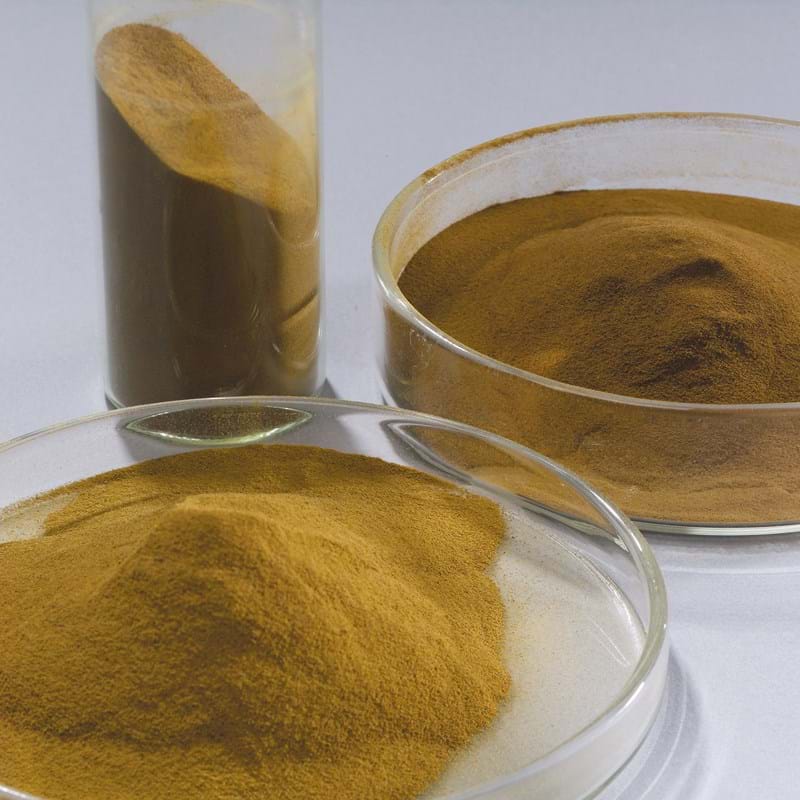
Magnesium lignosulfonate is a highly versatile, water-soluble anionic polyelectrolyte polymer. Derived from the sulfite pulping process in the paper industry, it is created by sulfonating wood lignin and neutralizing it with magnesium ions.
Because it is a biodegradable byproduct, magnesium lignosulfonate offers an eco-friendly alternative to synthetic chemicals. It is widely used across global industries for concrete admixtures, dust control, soil stabilization, animal feed binding, and ceramics.
1. Chemical Properties & Composition
Magnesium lignosulfonate features a complex, heterogeneous polymer backbone made of phenylpropanoid units. The introduction of sulfonic acid groups (-SO₃⁻) during processing provides its primary anionic (negative) charge, while magnesium ions (Mg²⁺) act as the neutralizing agent.
Key Chemical Specifications:
- CAS Number: 8061-54-9
- Molecular Weight: Polydisperse, ranging from 1,000 to 140,000 Daltons (Da). Lower weights enhance solubility; higher weights improve binding strength.
- Active Functional Groups: Sulfonic acid (charge), phenolic hydroxyl, methoxy, and minor carboxyl groups.
- Magnesium Content: Typically 5–8% (as Mg²⁺), ensuring stability in magnesium-sensitive agricultural and concrete systems.
Solubility and pH Profile
- Water Solubility: Highly soluble (≥98.5%). Forms clear to slightly turbid solutions.
- Solvent Incompatibility: Insoluble in organic solvents (ethanol, acetone, benzene), ensuring excellent stability in non-polar environments.
- pH Range: Mildly acidic to neutral. A 5–10% aqueous solution exhibits a pH of 4.0 to 6.0 at 25°C (77°F).
- Electrolyte Tolerance: Maintains functionality in moderately saline environments, such as drilling muds.
Standard Purity & Byproducts
- Reducing Sugars: ≤5–7% (glucose/mannose from pulping).
- Sulfate Content: ≤4–6% (as SO₄²⁻).
- Chloride Content: ≤0.5% (ensures low corrosivity for reinforced concrete).
- Ash Content: ≤12% (non-combustible mineral residues).
2. Physical Properties
To assist with shipping, handling, and formulation, the physical characteristics of standard commercial magnesium lignosulfonate are detailed below:
| Property | Specification (Metric) | Specification (Imperial / Context) |
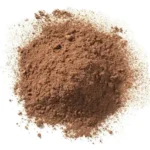
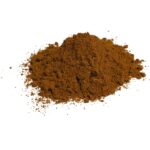
| Appearance | Light yellow to dark brown powder | Color varies by wood source (hardwood is lighter) |
| Moisture Content | ≤7% (Typically 3–7%) | Highly dried for shelf stability |
| Hygroscopicity | Moderate | Absorbs atmospheric moisture; requires dry storage |
| Bulk Density | 0.3–0.5 g/cm³ | 18.7–31.2 lbs/ft³ |
| Particle Size | 150–180 µm (80–100 mesh) | Fine powder ensures rapid dissolution |
| Thermal Stability | Stable up to ~200°C | Stable up to ~392°F before decomposing |
| Odor & Taste | Mild, slightly woody | Non-toxic; tasteless at low concentrations |
3. Functional Mechanisms & Applications
Magnesium lignosulfonate’s molecular structure dictates its performance across diverse applications.
- Dispersant & Surfactant Behavior: The anionic sulfonic groups create an electrostatic repulsion between particles, while the hydrophobic lignin segments provide steric (spatial) stabilization. This prevents particles from clumping together in concrete, dyes, and clay suspensions.
- Water-Reducing (Plasticizing): By dispersing cement particles efficiently, it reduces the water required in concrete mixes by 10% to 15%, improving workability and final compressive strength.
- Binding & Adhesion: It forms strong intermolecular bonds (hydrogen and van der Waals forces), making it an excellent natural binder for animal feed pellets and dust-control crusts on dirt roads.
- Chelating Ability: The functional groups coordinate with metal ions (e.g., Fe³⁺, Zn²⁺, Cu²⁺) to form stable complexes. This is highly beneficial for heavy metal removal in wastewater treatment and micronutrient delivery in agriculture.
- Setting Retardation: Slightly delays cement hydration, offering extended workability for large concrete pours or in hot climates.
4. Environmental Profile and Handling
As a derivative of a renewable resource, magnesium lignosulfonate heavily supports circular economy principles.
- Toxicity & Biodegradability: It is fully biodegradable and broken down by soil microbes. It is non-toxic to humans, plants, and animals, holding GRAS (Generally Recognized As Safe) status in many regions for use in animal feed.
- Storage Shelf Life: Stable for up to 24 months when stored in cool, dry, well-ventilated conditions.
- Handling Safety: Categorized as non-hazardous. Standard industrial hygiene (dust masks and gloves) is recommended to prevent mild respiratory or skin irritation from the fine powder.
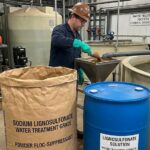
- Standard Packaging: Shipped in 25 kg (55 lbs) moisture-proof woven bags or 550 kg (1,212 lbs) bulk jumbo bags.
5. Comparative Analysis: Choosing the Right Lignosulfonate
Depending on your formulation needs, magnesium lignosulfonate offers distinct advantages over other variants:
| Variant | Key Advantages over Magnesium Lignosulfonate | When to Choose Magnesium Lignosulfonate |
| Calcium Lignosulfonate | Often slightly cheaper; industry standard for basic concrete. | When you require better solubility in neutral/alkaline conditions or need lower sodium levels. |
| Sodium Lignosulfonate | Highly reactive; excellent for specific dye dispersions. | When you must avoid sodium interference (e.g., in sodium-sensitive agricultural soils). |
| Synthetic Alternatives (e.g., Polycarboxylates) | Offer higher precision and extreme water reduction (up to 40%). | When project budgets are constrained, and an eco-friendly, highly cost-effective baseline is required. |
6. Technical Customization and Analysis
Manufacturers can frequently customize properties—such as molecular weight, pH, and refinement levels—to match specific industrial requirements. Quality is rigorously maintained through standardized characterization methods:
- GPC (Gel Permeation Chromatography): Measures precise molecular weight distribution.
- FTIR (Fourier-Transform Infrared Spectroscopy): Confirms the presence of active functional groups.
- UV-Vis Spectroscopy: Determines exact lignosulfonate concentration.