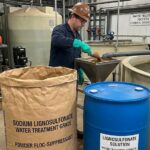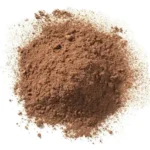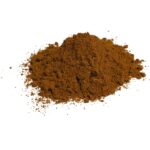

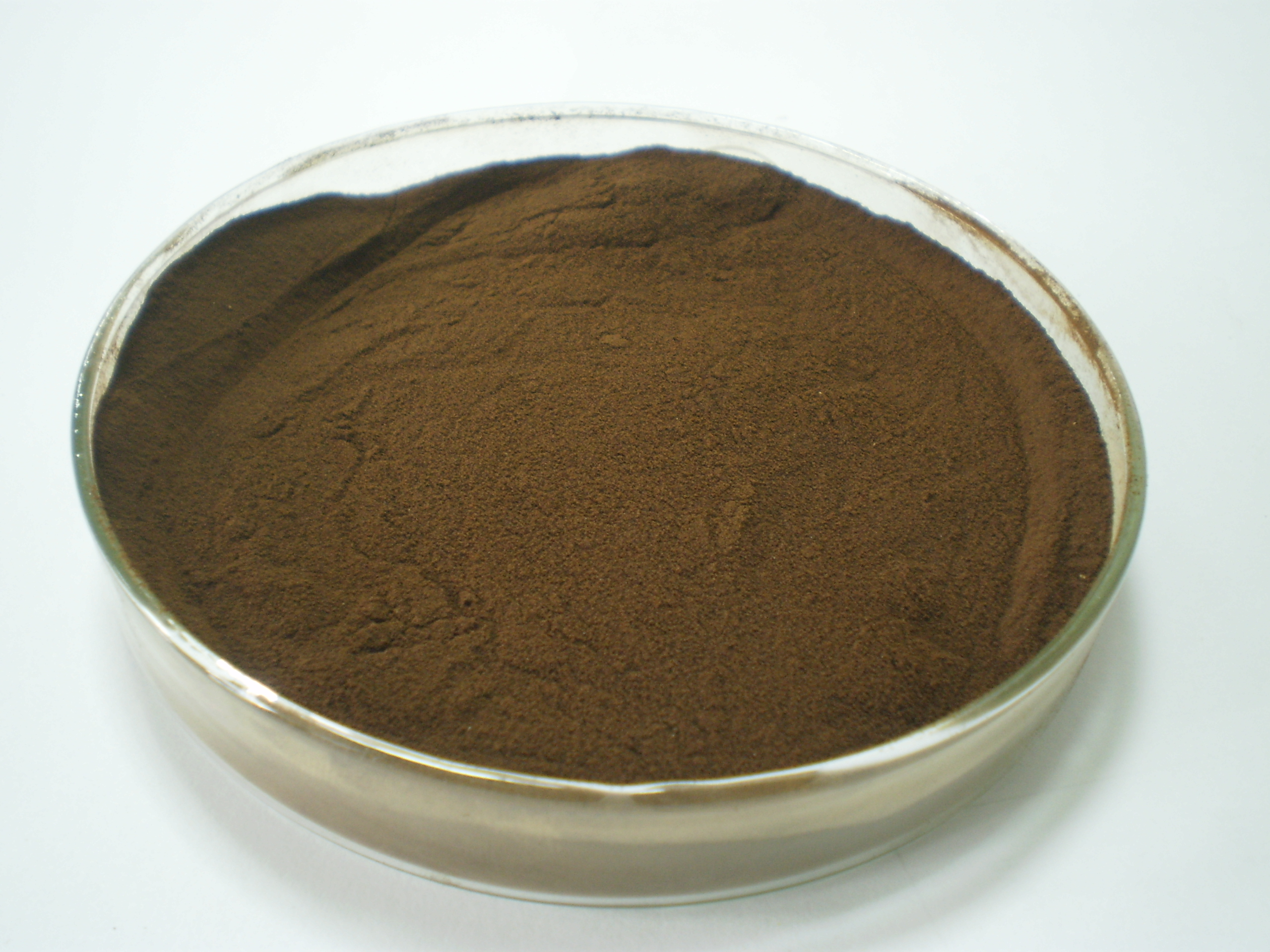
Lignosulfonates are highly versatile, water-soluble anionic polyelectrolytes derived from lignin (the natural polymer that gives wood its strength). Produced as sustainable byproducts of the sulfite paper pulping process, they are utilized globally for their ability to disperse, bind, and stabilize industrial mixtures.
While both Magnesium Lignosulfonate and Sodium Lignosulfonate share a common origin and offer similar baseline functionalities, their distinct chemical structures dictate entirely different optimal use cases. Understanding these differences allows procurement and engineering teams to balance performance, environmental suitability, and cost-efficiency.
1. Core Chemical and Physical Differences
The fundamental difference between these two chemicals lies in their neutralizing ions: Magnesium (Mg²⁺) vs. Sodium (Na⁺).
- Magnesium (Mg²⁺) is “divalent” (having a valence of two), meaning it forms stronger, more complex cross-links within the chemical structure.
- Sodium (Na⁺) is “monovalent” (having a valence of one), meaning it forms simpler bonds, resulting in higher immediate solubility.
| Property | Magnesium Lignosulfonate (Mg) | Sodium Lignosulfonate (Na) |
| pH Level (10% Solution) | 4.0 – 7.0 (Mildly acidic to neutral) | 7.0 – 10.0 (Neutral to alkaline) |
| Solubility & Leaching | Highly soluble, but less prone to rapid leaching in wet environments due to divalent bonds. | Exceptionally soluble; ideal for rapid liquid systems, but prone to washing away in heavy rain. |
| Thermal Stability | Excellent up to 150°C (302°F). | Stable at high heat, but degrades faster than Magnesium in extreme conditions. |
| Chelating Ability | Strong. Mg ions readily bind with other metals like calcium or iron. | Minimal chelating benefits. |
| Nutritional Value | Provides bioavailable Magnesium to plants/animals. | None. (Can increase soil salinity). |
| Cost & Availability | Generally more expensive; specialized. | Highly cost-effective; widely available. |
2. Industry-Specific Performance Comparisons
While both chemicals are used in the same global sectors, they perform differently based on the specific environmental challenges of the job site.
Construction (Concrete and Cement Admixtures)
Both act as highly effective water-reducing agents, cutting water requirements by 10% to 15% while improving workability.
- Choose Magnesium: For specialized, high-temperature applications (e.g., hot weather concreting) where its superior thermal stability prevents the concrete from setting too quickly.
- Choose Sodium: For general-purpose concrete mixes where cost-efficiency and compatibility with highly alkaline cement environments are the primary goals.
Agriculture and Soil Conditioning
Both improve soil structure and water retention.
- Choose Magnesium: To actively correct magnesium-deficient soils. It acts as both a soil conditioner and a direct, bioavailable fertilizer.
- Choose Sodium: For standard agrochemical dispersion or use in already highly saline soils where additional nutrient supplementation is unnecessary.
Animal Feed Pelleting
Both are excellent natural binders that reduce dust and improve the structural durability of feed pellets during transport.
- Choose Magnesium: When binding needs to be combined with livestock nutrition. It serves as a vital dietary supplement to prevent grass tetany (a severe, often fatal magnesium deficiency in ruminants like cattle and sheep).
- Choose Sodium: When the only requirement is a cheap, effective physical binder and the livestock’s nutritional needs are already met elsewhere.
Industrial Dust Control
Both effectively bind loose dirt particles to suppress airborne dust on unpaved roads and active mine sites.
- Choose Magnesium: For long-term dust control in humid, rainy, or highly variable climates. Its slightly lower solubility creates a more durable, weather-resistant crust.
- Choose Sodium: For rapid, cost-effective, large-scale application in persistently dry, arid environments where rain wash-off is not a concern.
Oil & Gas Drilling
Both are used to stabilize drilling muds deep underground.
- Choose Magnesium: For extreme high-temperature and high-pressure drilling environments. Its divalent ions actively help inhibit the swelling of volatile shale formations.
- Choose Sodium: For standard, routine drilling operations where extreme thermal stability is not required.
3. Executive Summary: How to Choose
When selecting a lignosulfonate for your supply chain, evaluate these three factors:
- Do you need nutritional value? If your agricultural or animal feed product requires bioavailable nutrients, Magnesium is the only choice.
- What is your operational environment? If you are operating in high heat, high pressure, or wet/humid conditions, the thermal stability and durable cross-linking of Magnesium justify its higher price point.
- Is budget the primary driver? If you are formulating a general-purpose product in a neutral-to-alkaline environment (like standard concrete) or operating in a dry climate (for dust control), the cost-efficiency and extreme solubility of Sodium make it the optimal choice.