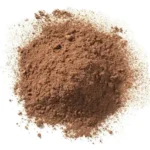

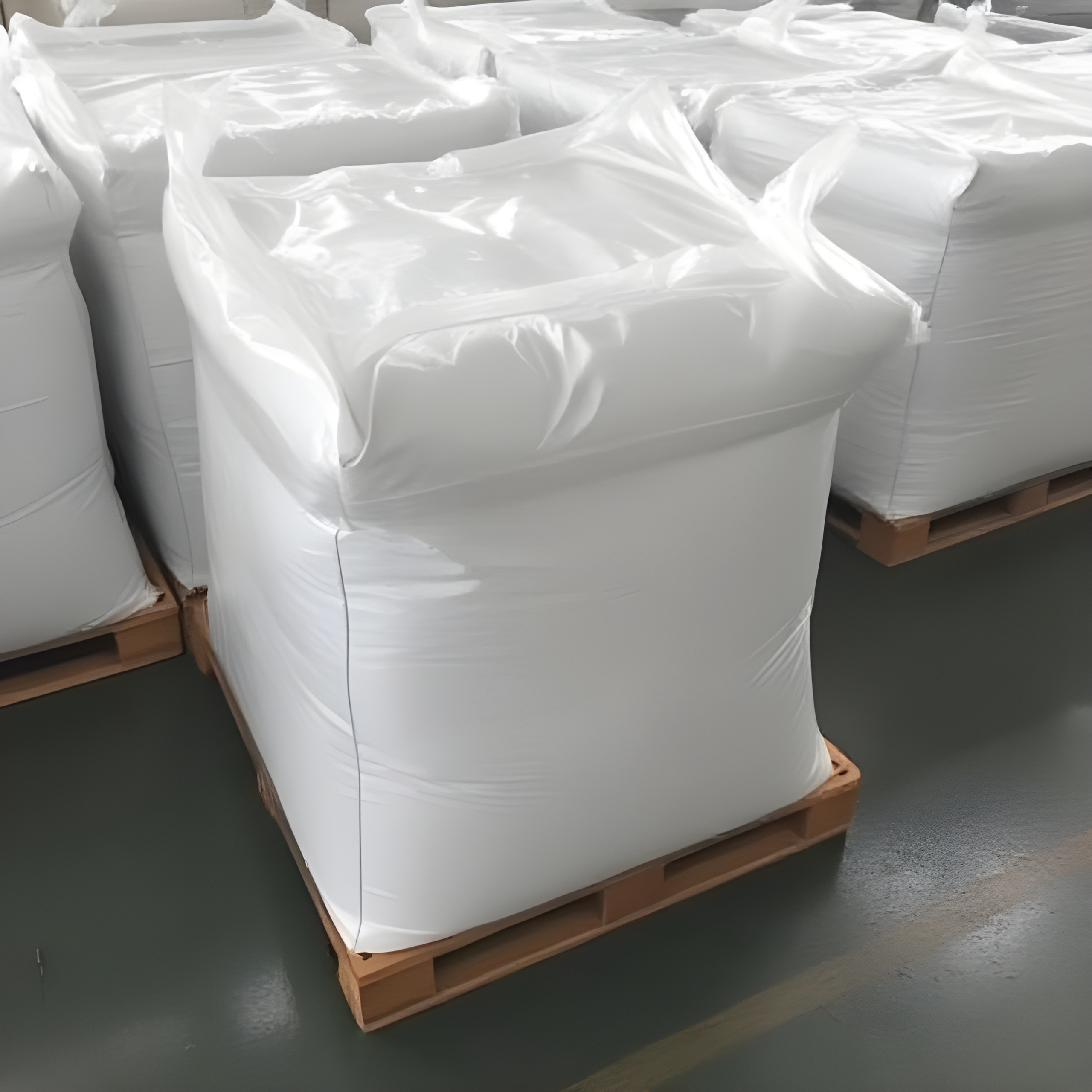
Bulk sodium dibutyl naphthalene sulfonate is purchased as an anionic wetting and penetrating agent for aqueous industrial formulations. A bulk order should be based on the exact commercial grade, active-matter basis and application test—not only on a chemical name or an indicative formula. Commercial products can differ in physical form, concentration, inorganic salt content, colour, residuals and wetting behaviour, so buyers should qualify the supplied grade against their own process before approving production volumes.
What buyers are actually purchasing
Sodium dibutyl naphthalene sulfonate is part of the alkyl naphthalene sulfonate family. Its hydrophobic aromatic and alkyl groups associate with low-polarity surfaces, while the sulfonate group supports water compatibility. This structure can accelerate displacement of air at a solid–liquid interface and improve penetration into porous substrates. It is therefore commonly evaluated where rapid wet-out matters.
The name alone does not establish a complete procurement specification. Isomer distribution, unreacted material, water, sodium salts and production conditions may affect performance. The CAS identity, composition and hazard classification should be confirmed from the current SDS and TDS for the exact grade. Buyers should not assume that every product sold under a similar trade description has the same molecular profile or regulatory status.
Functions and application boundaries
- Rapid wetting and penetration: useful when an aqueous phase must contact fibres, powders or porous substrates efficiently.
- Initial powder wet-out: may help displace entrained air before a separate dispersant establishes particle stability.
- Emulsification support: can contribute in compatible oil–water systems, but the final emulsion depends on oil phase, co-surfactants, electrolyte, shear and temperature.
- Process-bath support: selected grades may be screened in textile, leather, paper, cleaning or other aqueous industrial operations.
A wetting agent is not automatically a complete dispersant, detergent or emulsifier. For pigment, pesticide or mineral suspensions, compare it with a dedicated dispersant and evaluate viscosity, particle-size stability, suspensibility, foam and storage. For regulated agrochemical formulations, suitability also depends on the formulation type and destination-market requirements.
Bulk grade specification checklist
| Control item | Why it matters | Required evidence |
|---|---|---|
| Product identity | Prevents confusion with other naphthalene sulfonates | Current TDS, SDS and supplier declaration |
| Active matter or solids | Allows price and dosage comparison on a common basis | Limit or range with test method and calculation basis |
| Physical form and appearance | Affects pumping, dissolution, dust control and handling | Grade specification and representative sample |
| pH | Supports compatibility and incoming inspection | Concentration, temperature and test method |
| Water and inorganic salts | Can affect active-basis economics and formulation tolerance | Specified limits and lot COA |
| Wetting performance | Confirms the function relevant to the buyer | Defined substrate, concentration, water quality and temperature |
| Foam profile | Influences mixing, filling and application | Method relevant to actual equipment and shear |
| Residuals and regulatory status | May determine market or end-use acceptance | Exact-grade declarations and destination-market review |
Generic internet values for purity, pH, moisture, molecular weight, shelf life or solubility should not replace supplier-controlled data. Treat specification values as guaranteed limits only when the current signed document says so; otherwise identify them as typical results and confirm each shipment with a COA.
How to qualify the grade before a bulk order
- Define the task. Record substrate, formulation type, required wetting time, foam limit, water quality, pH, temperature and storage target.
- Compare samples on an active-matter basis. Differences in concentration can otherwise make a lower-cost product appear better or worse than it is.
- Establish a control. Compare the candidate with the existing formulation and, where relevant, with a dedicated dispersant or alternative wetting agent.
- Use the supplier-recommended starting trial range only when documented. State whether the basis is as-supplied product, active matter, formulation weight or another defined basis. Do not convert a published result from another system into a production dosage.
- Test compatibility and storage. Evaluate actual water hardness, electrolytes, co-formulants, temperature cycling, packaging contact and expected storage period.
- Run a controlled scale-up. Confirm addition sequence, mixing time, dissolution, foam, transfer, filtration and finished-product performance before routine manufacture.
Packaging, logistics and landed-cost comparison
Packaging format, net weight, palletisation, container loading, moisture protection and temperature requirements are grade- and route-specific. Request the available options in the quotation rather than assuming a standard bag, drum, IBC or bulk size. Confirm whether the quoted quantity is net product, solution or active matter and check compatibility between the product and packaging material.
Compare offers by landed usable cost. Include active matter, yield in the validated formulation, rejected or off-spec risk, freight, duties, packaging disposal, storage, handling and payment terms. A lower price per tonne may not be lower cost if the grade is more dilute, produces unacceptable foam or requires additional processing.
Supplier qualification and order documents
Before commercial approval, request the current TDS and SDS, a representative COA, manufacturing-site identity, batch traceability, change-control practice, retained-sample policy and complaint procedure. For repeat orders, agree which properties are release criteria and how out-of-specification results will be handled. Regulatory, safety, transport and environmental conclusions must come from the exact product documents and destination-market review; they should not be inferred from the generic chemical family.
Technical product route and RFQ
For the current product description and sample request, see the sodium dibutyl naphthalene sulfonate wetting-agent product page. Buyers comparing grades can also review the technical-grade qualification guide, emulsification screening guide and price and RFQ guide.
Send the intended application, required function, formulation type, active-basis trial target, annual demand, destination, preferred packaging and documentation requirements to info@greenagrochem.com. Final grade selection should follow sample evaluation and approval under the buyer’s actual process conditions.