
Ammonium lignohumate GAC-NHLSHA requires a consistent document set before formulation or purchasing approval. This guide explains the current supplier-reported values and unresolved specification questions. For availability, samples and commercial enquiries, see the ammonium lignohumate product page.
Source and grade identity
The reference is Green Agrochem Ammonium Lignohumate Technical Data Sheet, document GAC-NHLSHA, Rev. 1.0. Its PDF and Word versions contain matching entries. Do not substitute the separate ammonium lignohumate granule document without confirming the grade on the quotation, sample and shipment.
TDS data and clarification status
| Parameter | Source value or status | Qualification note |
|---|---|---|
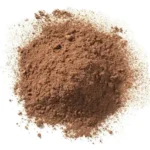
| Appearance | Black powder | TDS description; confirm the commercial form. |
| pH | Around 9 | Typical value; test concentration and method are not specified. |
| Water-insoluble matter | 1.0% max | Supplier-reported reference; confirm filtration/test method. |
| Sulfate | 15% min | Retain the source minimum notation; request the agreed analytical basis. |
| Nitrogen | 5% min | Confirm whether the assay is total nitrogen and its reporting basis before nutrient calculations. |
| Lignosulfonate | 65% min | This is the TDS parameter name, not a verified lignohumate assay. Clarify analyte identity and method. |
| Dry matter and moisture | Pending technical confirmation | Conflicting source entries must be reconciled before formulation or acceptance calculations. |
Reference status: Rev. 1.0 describes its property values as typical production results for reference, not binding specifications, including entries written with minimum or maximum notation. Obtain an approved current specification and an actual batch COA before acceptance.
Document clarification: the dry-matter and moisture entries cannot be reconciled on a common as-supplied basis. Do not calculate dry-product delivery from them or silently reverse a minimum to a maximum. Ask the technical team for corrected values, test methods and reporting bases. The older web description also used a different lignohumate assay and solubility figure; these should not be combined with the current lignosulfonate-labelled parameter as if the methods were equivalent.
Separate nitrogen contribution from application rate
Product addition and nitrogen delivery are different quantities. Use the approved batch nitrogen result on a stated as-supplied or dry-matter basis. Confirm the form of nitrogen if it matters to the intended formulation. A product name or nominal nitrogen figure does not establish nutrient availability, controlled release or a suitable field rate.
Before choosing a numerical starting level, request a written recommendation for the exact grade, application and calculation basis. Record the denominator, dilution and application volume. Resolve the document conflict before using dry-matter-based recommendations.
Qualify the formulation before crop use
Prepare a screening sample with the intended water, fertilizers and other components. Record mixing sequence, concentration, pH, dissolution, precipitation, viscosity, sediment, filtration and storage behaviour. Select measurable acceptance criteria rather than assuming that a water-soluble description proves compatibility with every tank mix.
For crop or soil trials, use appropriate controls and replication. Consider a nutrient-matched comparison when nitrogen contribution could explain the response. Measure the stated endpoint and adverse effects under the intended conditions. Root growth, nutrient uptake, water retention, yield and organic-input eligibility are not automatic consequences of the ingredient name.
For related methods, consult the fertilizer formulation trial guide and the plant-response evidence guide. These provide evaluation approaches, not proof that different lignohumate and lignosulfonate grades are interchangeable.
Packaging and storage
The exact-grade TDS lists 25 kg lined woven bags, with custom packaging by agreement. It states 24 months from production in original unopened packaging, stored in a cool, dry, well-ventilated area. Avoid prolonged moisture exposure and reseal opened bags. Confirm shipment-specific terms and consult the current SDS for handling requirements.
Request a reconciled technical package
Contact info@greenagrochem.com with GAC-NHLSHA, the intended formulation, destination market, application method and required tests. Request the approved TDS revision, SDS, actual batch COA and a representative sample. Confirm the unresolved moisture, dry-matter and assay definitions in writing before commercial qualification.