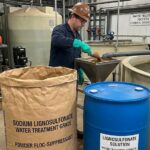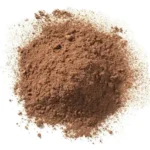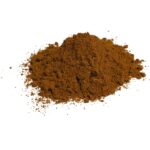

Lignosulfonate could work as naturally binder as its original form of lignin to bind the cellulose and fiber,so it can be used binding agent in pellets or compressed materials,also could used as dust control agent,which will be much more environment friendly and lower cost compared with Chloride.
How lignosulfonate control the dust
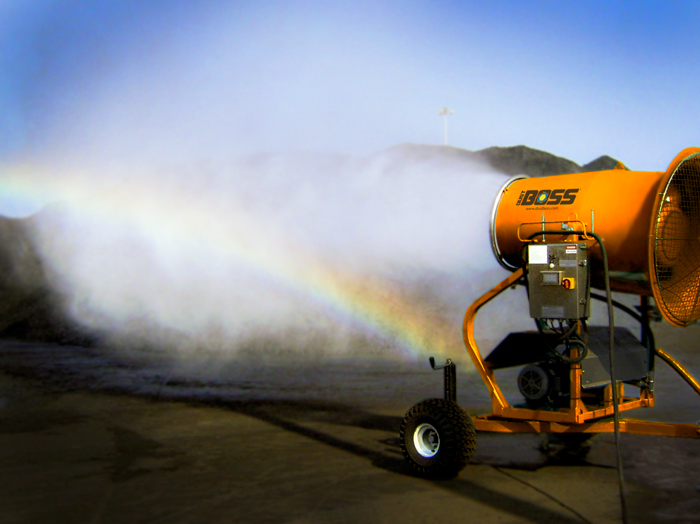
Lignosulfonate binds the road dust surface particle,when evaporate it will become the high-viscosity, naturally sticky material traps dust particles,then after sun heat will make a water resistant durable dust control surface.
Features & Benefits
Environment friendly produce ,non-chemical like chloride.
Reduce dust to PM10 Standards
Can be used on many soil types
Can be used in any places (near water, trees, orchards),will not cause pollution.
Usage
Application rates for a topical application are 0.3-0.5 gallons per square yard.
Recommendations
Pre-wet the road before spray the water.
Dust control grade selection for lignosulfonate
Lignosulfonate used in dust control should be selected by road material, mine or yard condition, spray equipment, dosage, weather exposure, binding strength, odor and color requirements, and environmental limitations. Buyers often compare liquid lignosulfonate, sodium lignosulfonate, calcium lignosulfonate, and potassium lignosulfonate depending on application method and local requirements.
| Dust control use | Buyer check |
|---|---|
| Unpaved roads | Spray dosage, road surface type, traffic load, and reapplication interval. |
| Mine or stockyard dust | Particle binding, crust formation, water dilution ratio, and weather resistance. |
| Material handling | Dust reduction, flowability, storage behavior, and equipment compatibility. |
| Product comparison | Review liquid lignosulfonate, sodium lignosulfonate, and calcium lignosulfonate. |
Before bulk purchasing, run a small field trial under real weather, traffic, and surface conditions, then confirm dilution ratio, application rate, packaging, and export documents with China Lignin.