
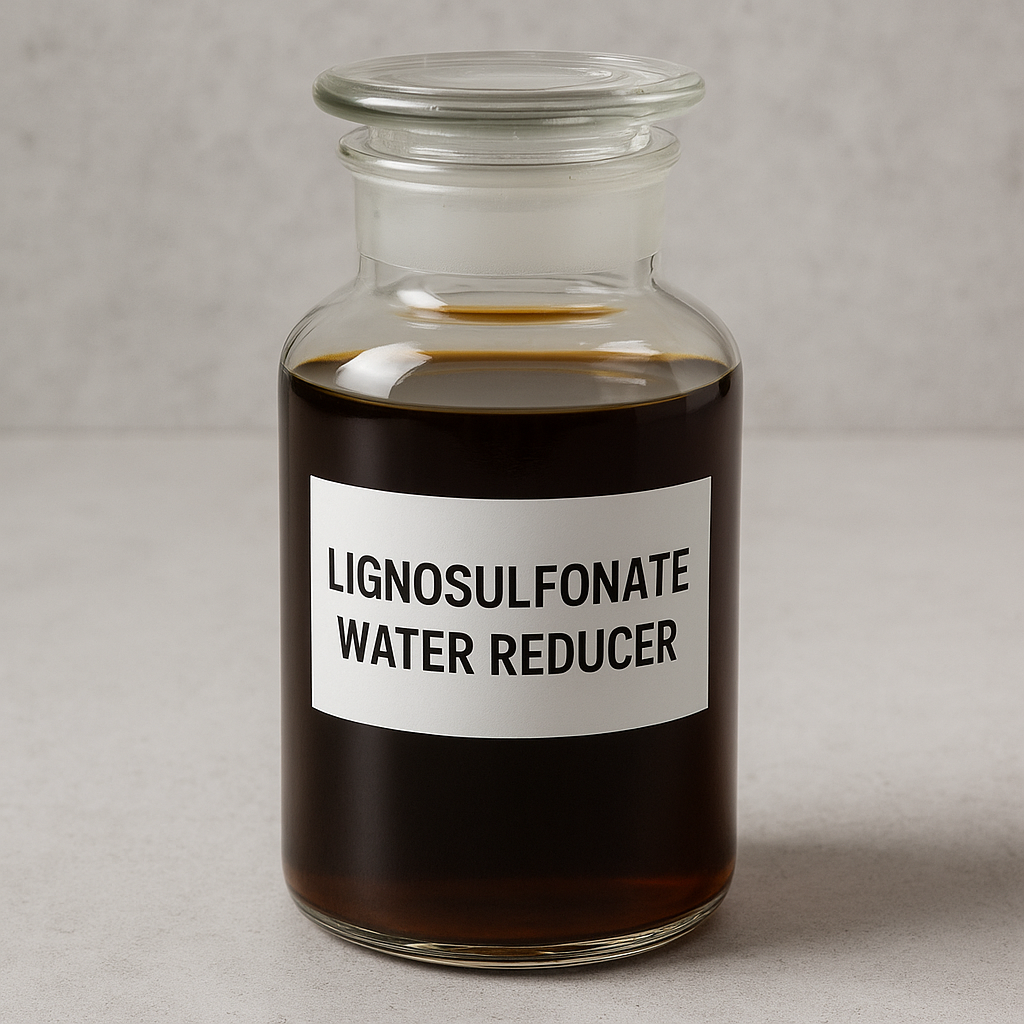
1. What is Lignosulfonate?
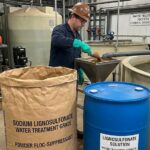
Lignosulfonate is a by-product of the sulfite pulping process in the paper industry. It is a sulfonated lignin polymer that contains sulfonic acid groups, making it anionic and water-soluble.
Main chemical types:
- Calcium lignosulfonate (Ca-LS)
- Sodium lignosulfonate (Na-LS)
- Ammonium lignosulfonate (NH₄-LS)
2. Mechanism of Action in Concrete
Lignosulfonate acts as a plasticizer by:
- Electrostatic dispersion:
- Negatively charged lignosulfonate molecules adsorb onto cement particles, causing repulsion between particles → improved dispersion.
- Lubrication effect:
- The long-chain organic molecules reduce friction between particles → enhanced fluidity of the mix.
3. Technical Properties
| Property | Typical Value |
|---|---|
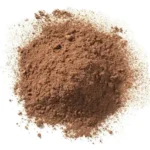
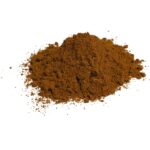
| Appearance | Brown powder or dark brown liquid |
| pH | 4.0 – 6.0 (liquid form) |
| Solid content | 40–50% (liquid form) |
| Specific gravity | ~1.2 g/cm³ |
| Water reduction capability | 5% – 12% |
| Setting time impact | May slightly retard setting |
4. Functions and Benefits
- Reduces water demand without affecting strength
- Improves workability of concrete and mortar
- Increases early and final strength (due to lower water-cement ratio)
- Enhances cement particle dispersion
- Improves surface finish and pumpability
- Economical alternative to synthetic plasticizers
- Compatible with most types of Portland cement
5. Limitations
- Lower efficiency compared to superplasticizers (e.g., PCE or SNF)
- Can cause setting delay, especially at high dosage
- Limited effectiveness in high-performance or low-water-ratio mixes
6. Comparison with Other Water Reducers
| Feature | Lignosulfonate | SNF (Naphthalene) | PCE (Polycarboxylate) |
|---|---|---|---|
| Water reduction | 5–12% | 12–20% | 20–35% |
| Cost | Low | Moderate | High |
| Setting time effect | Slight retardation | Possible delay | Controllable |
| Best use case | General concrete | Ready-mix | High-performance mixes |
7. Applications
- Ready-mix concrete
- Precast concrete products
- Masonry and plaster mortars
- Soil stabilization and dust control
- Gypsum-based systems
- Cementitious grouts
- Clay or ceramic suspensions
8. Recommended Dosage
- Typically 0.2% – 0.6% of cement weight
- Final dosage should be determined by lab trial
- Overdosage can lead to retardation or excessive air entrainment
9. Storage and Handling
- Store in a cool, dry place
- Avoid direct exposure to sunlight or heat
- Stir before use if stored in liquid form
10. Environmental & Sustainability Notes
- Made from renewable biomass
- Biodegradable and non-toxic
- A sustainable alternative to petrochemical-based admixtures
Buyer specification guide for lignosulfonate water reducer
A lignosulfonate water reducer is best selected by matching the cement system, required water reduction, setting-time tolerance, and supply form. For normal ready-mix concrete, masonry mortar, gypsum systems, and low to medium range water reduction, sodium lignosulfonate and calcium lignosulfonate are cost-effective options. For high early strength or very low water-cement ratio mixes, SNF superplasticizer may be more suitable.
| Buying item | Recommended check |
|---|---|
| Product form | Powder for export stability; liquid for direct batching plants |
| Typical dosage | 0.2% to 0.6% by cement weight, confirmed by trial mix |
| Main function | Improve workability, reduce water demand, and support smoother pumping |
| Key risk | Overdosage may delay setting or increase air entrainment |
| Documents | TDS, SDS, COA, packing details, and sample availability |
When should buyers choose lignosulfonate instead of SNF or PCE?
Choose lignosulfonate when the project needs economical plasticizing, moderate water reduction, improved pumpability, or mild set retardation. Choose sodium naphthalene formaldehyde when stronger water reduction and high-strength concrete performance are required.
FAQ for procurement and formulation
- Is lignosulfonate a high-range superplasticizer? No. It is normally a low to medium range water reducer and plasticizer.
- Can it be used with Portland cement? Yes, but the final dosage should be validated by cement compatibility and trial batching.
- What information should buyers provide? Cement type, target slump, water-cement ratio, setting-time requirement, dosage range, packing, and destination port.
- Which related products should be compared? Sodium lignosulfonate, calcium lignosulfonate, magnesium lignosulfonate, SNF, and Dispersant MF depending on the application.