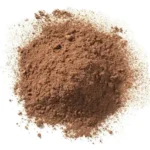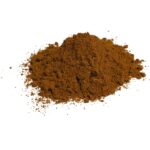


Magnesium lignosulfonate, a water-soluble anionic polyelectrolyte derived from the sulfite pulping process in the paper industry, offers a wide range of benefits across multiple industries due to its unique chemical properties, including high solubility, dispersant capabilities, and binding strength.
Benefits of Magnesium Lignosulfonate
1. Concrete Admixtures
- Water Reduction: Magnesium lignosulfonate acts as a water-reducing agent, decreasing the water-to-cement ratio by 10–15%. This enhances concrete strength, durability, and workability without compromising structural integrity.
- Improved Workability: As a plasticizer, it increases the flowability of concrete mixes, making them easier to pour, mold, and finish, especially in complex or large-scale construction projects.
- Cost Efficiency: By reducing water and cement requirements, it lowers material costs while maintaining or improving performance, making it an economical choice for concrete production.
- Retardation of Setting Time: It slightly delays the setting time of concrete, which is beneficial in hot climates or large pours, preventing premature hardening and allowing better handling.
- Compatibility: Works well with other admixtures (e.g., superplasticizers) and is suitable for various cement types, ensuring versatility in formulations.
- Environmental Benefit: As a biodegradable byproduct of the paper industry, it supports sustainable construction practices by reducing reliance on synthetic chemical admixtures.
2. Dust Control
- Effective Dust Suppression: When applied as an aqueous solution, magnesium lignosulfonate binds dust particles to surfaces, significantly reducing airborne dust on unpaved roads, mining sites, construction areas, and industrial facilities.
- Environmental Safety: Unlike chloride-based dust suppressants (e.g., calcium chloride), it is non-toxic and biodegradable, minimizing environmental impact and preventing soil or water contamination.
- Long-Lasting Performance: Forms a durable, crust-like layer on treated surfaces, providing extended dust control even under heavy traffic or windy conditions.
- Cost-Effective: Requires minimal application frequency compared to water-based dust control methods, reducing labor and operational costs.
- Improved Safety: Reduces health risks from inhaling dust and enhances visibility in dusty environments, improving worker safety and operational efficiency.
3. Soil Stabilization and Agriculture
- Enhanced Soil Structure: Acts as a soil stabilizer by improving soil cohesion, reducing erosion, and increasing resistance to weathering, particularly in loose or sandy soils.
- Water Retention: Increases the soil’s ability to retain moisture, promoting plant growth and reducing irrigation needs in agricultural applications.
- Nutrient Availability: As a chelating agent, it binds micronutrients (e.g., iron, zinc), making them more available to plants and improving crop yields.
- Erosion Control: Used in reclamation projects, it stabilizes slopes and embankments, preventing soil loss in areas prone to runoff or wind erosion.
- Pesticide and Fertilizer Dispersant: Enhances the uniformity and efficacy of sprays by preventing particle agglomeration, ensuring even distribution and better absorption.
- Sustainability: As a natural, biodegradable product, it supports eco-friendly farming and land management practices.
4. Animal Feed
- Pellet Binding: Serves as an effective binder in pelleted feed production, increasing pellet durability and reducing breakage during handling and transportation.
- Dust Reduction: Minimizes dustiness in feed, improving handling and reducing respiratory issues for livestock and workers.
- Non-Toxic and Safe: Recognized as safe for use in animal feed in many regions, ensuring no adverse effects on livestock health.
- Improved Feed Quality: Enhances the physical quality of pellets, ensuring consistent nutrient delivery and reducing feed waste.
- Cost-Effective: Low dosage requirements (typically 1–3% by weight) make it an economical binding agent compared to synthetic alternatives.
5. Ceramics and Refractories
- Improved Slurry Properties: Acts as a dispersant in ceramic slurries, reducing viscosity and ensuring uniform particle distribution, which leads to smoother casting and molding.
- Enhanced Green Strength: Increases the strength of unfired ceramic bodies, reducing defects and breakage during handling and drying.
- Better Moldability: Improves the plasticity of ceramic mixes, allowing for more precise shaping and reduced waste.
- High-Temperature Stability: Suitable for refractory applications due to its thermal stability up to approximately 200°C, ensuring consistent performance during firing.
- Cost Savings: Reduces the need for additional binders or dispersants, lowering production costs in ceramic manufacturing.
6. Chemical and Industrial Applications
- Dispersant Properties: Widely used in dyes, pigments, and pesticide formulations to prevent particle clumping, ensuring stable suspensions and uniform application.
- Chelating Agent: Binds heavy metal ions in wastewater treatment, aiding in the removal of contaminants and improving water quality.
- Oil Drilling Muds: Controls viscosity and stabilizes emulsions in drilling fluids, enhancing efficiency and reducing operational challenges in oil and gas exploration.
- Carbon Black and Asphalt: Improves dispersion and binding in carbon black production and asphalt emulsions, leading to higher-quality end products.
- Versatility: Its compatibility with various chemical systems makes it a valuable additive in diverse industrial processes, from textiles to leather tanning.
7. Environmental and Sustainability Benefits
- Biodegradability: As a natural lignin derivative, magnesium lignosulfonate breaks down naturally, reducing environmental persistence compared to synthetic chemicals.
- Circular Economy: Repurposes a byproduct of the paper industry, minimizing waste and supporting sustainable industrial practices.
- Low Toxicity: Safe for use in sensitive applications like agriculture, animal feed, and water treatment, with minimal risk to ecosystems or human health.
- Reduced Carbon Footprint: Its production leverages existing industrial processes, requiring less energy than synthesizing alternative chemical agents.
8. Economic Advantages
- Low Cost: As a byproduct, magnesium lignosulfonate is relatively inexpensive compared to synthetic alternatives, making it attractive for large-scale applications.
- High Efficiency: Small dosages deliver significant performance benefits, reducing overall material costs in applications like concrete, feed, and ceramics.
- Global Availability: Widely produced in regions with sulfite pulping industries (e.g., North America, Europe, Asia), ensuring reliable supply chains.
Specific Advantages Over Other Lignosulfonates
- Magnesium-Specific Benefits: Compared to calcium or sodium lignosulfonate, magnesium lignosulfonate offers better solubility in certain pH ranges and improved compatibility with magnesium-based systems, making it preferable in specific concrete mixes or feed formulations.
- Low Sodium Content: Ideal for applications where sodium levels must be minimized, such as in animal feed or certain agricultural uses.
- Balanced pH: Its mildly acidic pH (4–6) ensures compatibility with a wide range of systems, reducing the need for pH adjustments.
Practical Considerations
- Ease of Use: Highly water-soluble, allowing for easy preparation of solutions or direct incorporation into dry mixes.
- Customizability: Suppliers can tailor properties like lignosulfonate content, particle size, or pH to meet specific application needs.
- Regulatory Compliance: Generally recognized as safe (GRAS) for animal feed and compliant with standards like ASTM C494 for concrete admixtures, ensuring broad market acceptance.