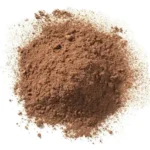

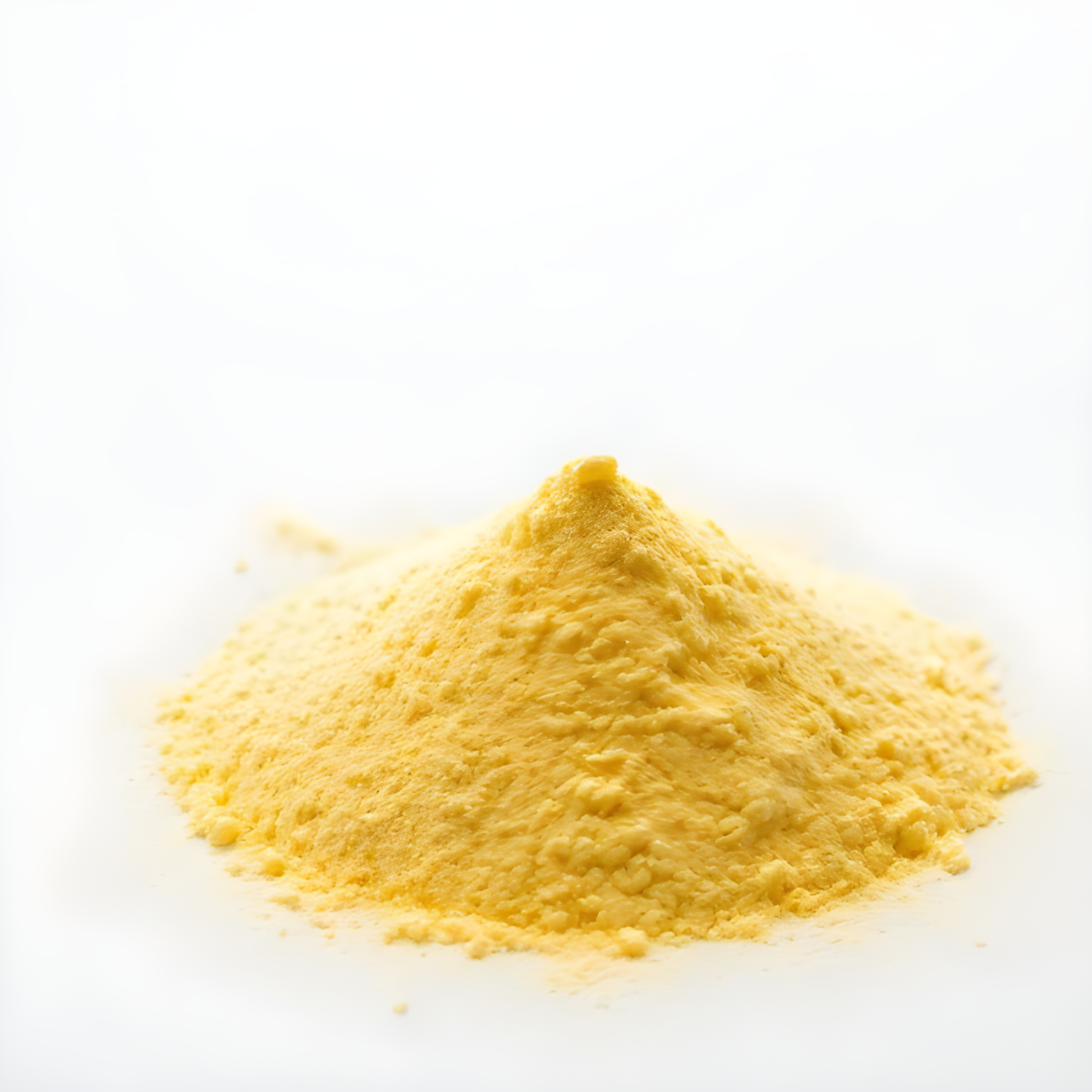
Magnesium lignosulfonate powder is a dry commercial form of magnesium lignosulfonate produced from an aqueous process stream and converted into a transportable powder. Buyers should qualify the exact grade through its current TDS, SDS, COA, test methods, and application trials rather than assume that every brown powder has the same composition or performance.
What the powder description does—and does not—tell you
“Powder” identifies physical form, not a universal specification. Commercial grades can differ in raw-material origin, purification, concentration and drying conditions, moisture basis, counter-ion profile, residual sugars or salts, particle behavior, solubility, colour, and intended application. The product code and supplier documentation must therefore remain consistent from sample through commercial delivery.
Powder versus liquid: practical selection
Powder can support efficient storage, international shipment, dry blending, and controlled make-down where the plant has suitable dust control and dissolution equipment. Liquid grades may reduce on-site dissolution work but require evaluation of solids basis, viscosity, storage temperature, pumping, preservation, and freight efficiency. Compare options using delivered usable solids and total process cost, not price per tonne alone.
Properties to verify for the exact grade
- Appearance and product identity, including the stable commercial product code.
- Moisture or solids basis and the test method used.
- pH with stated solution concentration, temperature, and method.
- Solubility, insolubles, or filtration behavior using a defined preparation method.
- Ash, counter-ion, residual sugar, or other compositional controls when relevant to the process.
- Bulk density, particle-size behavior, flowability, and dust tendency when they affect handling.
- Packaging, storage, shelf-life, and transport conditions supported by current documentation.
A value should not be copied from a different supplier or unrelated grade. Confirm whether each number is a guaranteed limit, an internal target, or a typical result, and use the same method when comparing lots.
Application screening
Magnesium lignosulfonate powder may be evaluated as a binder, dispersing aid, processing aid, or formulation component in suitable aqueous industrial systems. Suitability depends on the substrate, water chemistry, temperature, mixing energy, addition sequence, competing additives, drying or curing conditions, and required final properties. Feed, fertilizer, concrete, drilling, dust-control, ceramic, mineral, and other uses also have different documentation and regulatory requirements; one grade should not be presented as automatically suitable for all of them.
Recommended qualification workflow
- Define the application, raw materials, operating conditions, critical quality attributes, and acceptance tests.
- Request the exact-grade TDS, SDS, recent representative COA, test methods, and packaging information.
- Confirm that sample labels and documents use the same product code and analytical basis.
- Evaluate dissolution and handling before application performance testing.
- Compare a traceable sample with an approved control under the buyer’s actual conditions.
- Use a supplier-recommended starting trial level only when it is documented for that exact grade and states the calculation basis. Establish the final level through laboratory and plant validation.
- Agree lot-release criteria, COA delivery, retained samples, change control, and deviation handling before repeat orders.
Handling and safety boundaries
Fine organic powders require product-specific review for dust generation, housekeeping, ventilation, personal protection, ignition hazards, spills, and disposal. Use the current SDS and site risk assessment. Do not infer food, feed, fertilizer, environmental, or regulatory acceptance from the chemical name alone; confirm the exact grade and destination-market requirements.
Documentation and industrial procurement
For industrial procurement, review the magnesium lignosulfonate product page, the industrial-grade qualification guide, and the technical data guidance. For parameter and test-method comparison, see the retained magnesium lignosulfonate specification guide.
Send the intended application, powder-handling requirements, critical tests, quantity, packaging, destination, and Incoterm to info@greenagrochem.com for an exact-grade document package and quotation.