
Short answer: cellulose and lignin are both major plant cell wall materials, but they are not the same type of polymer. Cellulose is a polysaccharide made from repeating glucose units. Lignin is a complex aromatic biopolymer built from phenolic monolignol units, so lignin is not a polysaccharide.
In plants, cellulose provides much of the tensile strength in the cell wall, while lignin adds rigidity, water resistance, and protection around cellulose and hemicellulose. This difference explains why cellulose is central to paper, fiber, and fermentation uses, while lignin and lignin-derived products are used in binders, dispersants, soil-related formulations, and other industrial or agricultural applications.
Lignin vs Cellulose: Main Difference
| Aspect | Cellulose | Lignin |
|---|---|---|
| Chemical type | Linear polysaccharide | Complex aromatic biopolymer |
| Building blocks | Repeating D-glucose units | Phenolic monolignols, mainly coniferyl, sinapyl, and p-coumaryl alcohol units |
| Plant role | Provides tensile strength and structural framework | Adds rigidity, hydrophobicity, and protection in woody tissues |
| Structure | Ordered, fibrous, and often crystalline | Irregular, cross-linked, and chemically diverse |
| Typical behavior | Hydrophilic and insoluble in water | More hydrophobic and resistant to many biological degradation pathways |
| Common uses | Paper, pulp, textiles, cellulose derivatives, bio-based materials | Binders, dispersants, lignosulfonates, specialty formulations, and biomass-derived materials |
Is Lignin a Polysaccharide?
No. Lignin is not a polysaccharide. A polysaccharide is made from sugar units, and cellulose is a classic example because it consists of long chains of glucose. Lignin is different: it is an aromatic, phenolic polymer with a variable structure and no simple repeating sugar unit.
How Cellulose Works in Plants
Cellulose forms strong microfibrils in plant cell walls. These microfibrils help plant tissues resist stretching and maintain shape. Because cellulose is made from glucose, it is a carbohydrate-based polymer and is often discussed in relation to pulp, paper, fiber, bioethanol, and cellulose derivatives.
How Lignin Works in Plants
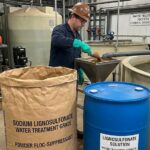
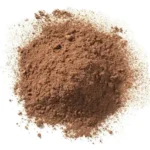
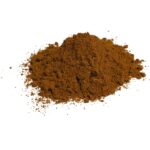
Lignin fills spaces around cellulose and hemicellulose, especially in woody and vascular tissues. It helps strengthen plant structures, reduces water penetration, and contributes to resistance against microbial attack. For agriculture and formulation use, China Lignin supplies lignin-related materials such as lignin, sodium lignosulfonate, and calcium lignosulfonate.
Industrial and Agricultural Relevance
Cellulose is usually the main target in pulp, paper, and fiber processing. Lignin is often separated during pulping or biomass processing and can be converted or modified for industrial value. In lignosulfonate form, lignin-derived materials are widely used as dispersants, binders, and formulation aids. For one application-focused example, see calcium lignosulfonate uses.
Related lignin and lignosulfonate product pages
If you are comparing lignin and cellulose for formulation or sourcing decisions, the next practical step is to review the lignin-derived products used as binders, dispersants, and agricultural formulation aids. Start with sodium lignosulfonate for water-soluble dispersing and fertilizer granulation support, calcium lignosulfonate for binder and application comparisons, magnesium lignosulfonate for mineral-related lignosulfonate grades, and lignin for broader lignin material context.
Quick Summary
- Cellulose is a glucose-based polysaccharide.
- Lignin is an aromatic biopolymer, not a polysaccharide.
- Cellulose gives plants tensile strength.
- Lignin adds rigidity, water resistance, and protection.
- Both are important in biomass, plant science, agriculture, and industrial formulation work.
FAQ
What is the main difference between lignin and cellulose?
Cellulose is a linear polysaccharide made from glucose units, while lignin is a complex aromatic polymer. Cellulose mainly provides tensile strength; lignin mainly provides rigidity, hydrophobicity, and protection.
Is cellulose a polysaccharide?
Yes. Cellulose is a polysaccharide composed of repeating glucose units connected mainly by beta-1,4 glycosidic bonds.
Is lignin a polysaccharide?
No. Lignin is not a polysaccharide because it is not made from repeating sugar units. It is a phenolic, aromatic biopolymer with a variable structure.
Are lignin and cellulose found together?
Yes. Lignin, cellulose, and hemicellulose are commonly found together in lignocellulosic biomass, especially in woody plant tissues.
Why does the difference matter for agriculture and industry?
The difference matters because cellulose and lignin behave differently in processing and formulation. Cellulose is valued for fiber and carbohydrate chemistry, while lignin-derived materials such as lignosulfonates can support dispersing, binding, and formulation functions.