

Calcium Lignosulfonate for pottery

Calcium Lignosulfonate for pottery

Calcium Lignosulfonate for pottery

Calcium Lignosulfonate for Pottery: An In-Depth Guide

What Is Calcium Lignosulfonate?

Calcium lignosulfonate is a water-soluble anionic polyelectrolyte polymer, derived from lignin, a major structural component of wood. It is a byproduct of the sulfite pulping process used in the paper industry. In that process, wood chips are treated with sulfurous acid and a base such as calcium hydroxide, breaking down lignin and releasing cellulose. The resulting spent liquor contains lignosulfonates—sulfonated lignin compounds—among which calcium lignosulfonate is one common form.

Although it’s primarily used in construction, agriculture, and dust control, calcium lignosulfonate is finding growing interest in ceramics and pottery, particularly in industrial-scale production and slip casting.


Key Properties Relevant to Pottery

  • Dispersant: It reduces the viscosity of suspensions, allowing more solid content with less water.
  • Plasticizer: Improves workability and flexibility of clay without increasing water content.
  • Binder: Provides cohesion in dry-pressed bodies or powder compacts before firing.
  • Biodegradable: Environmentally friendly and derived from natural sources.
  • Combustible: Burns out cleanly at high temperatures, leaving minimal residue when used correctly.

Applications in Pottery and Ceramics

1. Slip Casting

In slip casting, a liquid clay slurry (or “slip”) is poured into porous plaster molds. The goal is to keep the slip fluid while minimizing water content, to reduce drying defects.

  • Role of Calcium Lignosulfonate:
    As a dispersant, it helps deflocculate clay particles, preventing them from clumping and allowing a lower viscosity slip.
  • Benefits:
    • Enables higher solids loading (~70%+ by weight).
    • Improves casting rate and surface quality.
    • Reduces drying shrinkage and cracking.

2. Clay Body Formulation

In plastic clay bodies (e.g., for hand-building, wheel throwing, or press forming), additives can improve workability, plasticity, and green strength.

  • Role:
    Used in small quantities, calcium lignosulfonate can improve handling and reduce cracking in unfired ware.
  • Note:
    Because of its brown color, it’s best used in dark or red clays, or in bodies where color is not an issue.

3. Dry Pressing

For ceramics manufactured using dry pressing, such as tiles or technical ceramics:

  • Function:
    It acts as a binder, holding particles together in the press and providing enough strength for handling before firing.
  • Benefit:
    Enhances green density and reduces breakage in handling and transportation of unfired parts.

4. Glaze and Engobe Additive

In some industrial applications, it may be used in glazes or engobes (a clay slip applied over a ceramic body), usually to improve suspension and flow characteristics.

  • Caution:
    The dark organic content may influence color or surface finish, so use is typically limited or carefully controlled.

Advantages

  1. Environmentally Friendly
    • Derived from natural materials.
    • Non-toxic and biodegradable.
  2. Cost-Effective
    • Less expensive than synthetic dispersants like sodium silicate or sodium polyacrylates.
  3. Improved Slip Performance
    • Better fluidity and faster mold release.
    • Less water needed in slip or clay body.
  4. Reduces Drying Defects
    • Lower shrinkage.
    • Fewer cracks or warping issues.
  5. Good Burn-Out Characteristics
    • Leaves minimal residue when fired at ceramics temperatures (>800°C).

Considerations and Limitations

  • Color Contamination:
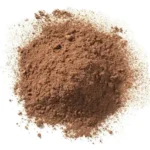
    Calcium lignosulfonate is brown to dark brown in color. It may discolor white or light-colored clays and glazes. Avoid use in porcelain or whiteware unless discoloration is acceptable.
  • Firing Behavior:
    As an organic compound, it burns out during firing, usually without issue. However, in very dense clay bodies or under fast firing schedules, it may cause pinholing, off-gassing, or bloating if not properly balanced.
  • Storage Sensitivity:
    Liquid forms can ferment or degrade over time. Store in a cool, dry place and use clean tools to avoid contamination.
  • Not Always Necessary:
    In studio pottery, traditional additives like sodium silicate, Darvan, or bentonite may be more common and better understood. Use calcium lignosulfonate when looking for a biodegradable or alternative dispersant.

Calcium lignosulfonate selection guide for ceramic and pottery buyers

Calcium lignosulfonate is used in pottery and ceramic production as a dispersant, binder, green strength improver, and processing aid. Buyers should confirm water solubility, ash content, calcium level, viscosity effect, particle size, and compatibility with clay body, glaze materials, and spray drying conditions before bulk purchasing.

Use in potteryQuality point to confirm
Clay body binderGreen strength, dosage range, and drying behavior
Ceramic slurry dispersantViscosity control, suspension stability, and water reduction
Pressing and forming aidParticle distribution, flowability, and mold release behavior
Glaze or pigment processingColor compatibility, impurity control, and residue after firing

For direct sourcing, compare this application page with calcium lignosulfonate. For related lignosulfonate grades, see sodium lignosulfonate and magnesium lignosulfonate.

FAQ for calcium lignosulfonate in pottery

  • Why is calcium lignosulfonate used in pottery? It helps improve dispersion, binding, and process stability in clay and ceramic systems.
  • What should buyers test first? Trial dosage, slurry viscosity, drying performance, firing residue, and compatibility with local raw materials.
  • Is it the same as sodium lignosulfonate? No. Both are lignosulfonates, but the cation type and application behavior may differ.

FAQ: calcium lignosulfonate for pottery

  • Why is calcium lignosulfonate used in pottery? It can help improve dispersion, binding, green strength, and process stability in selected clay, ceramic slurry, pressing, and forming systems.
  • What should ceramic buyers test first? Buyers should test dosage, slurry viscosity, drying behavior, firing residue, color impact, and compatibility with local clay and glaze raw materials.
  • Is calcium lignosulfonate the same as sodium lignosulfonate? No. Both are lignosulfonates, but the cation form, pH behavior, compatibility, and application response can differ.