
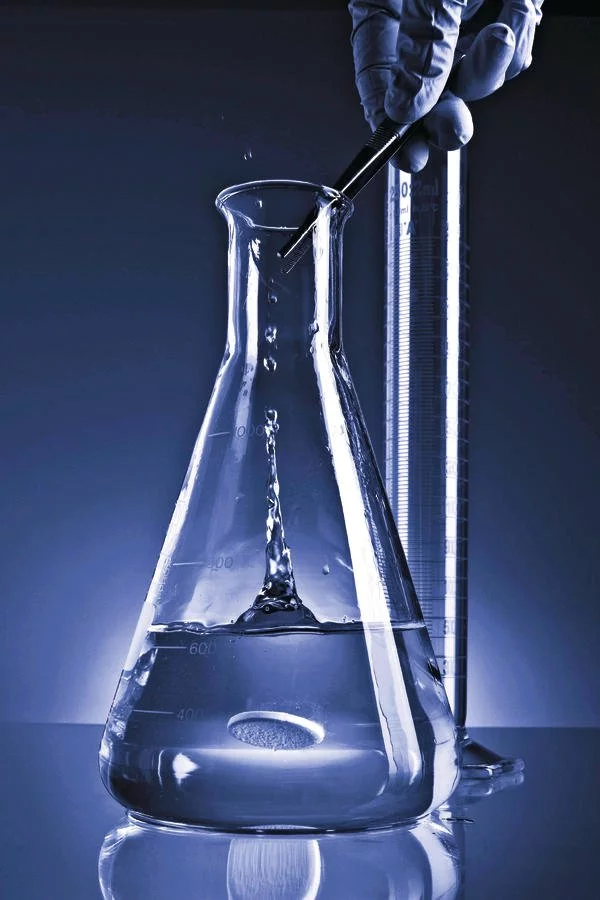
In some water-based industrial systems, lignosulfonate may be evaluated as a dispersant, suspension aid, or auxiliary formulation ingredient. Its suitability depends on water chemistry, pH, hardness, dosage, product grade, and compatibility with other treatment agents.
Industrial route: For product selection, application engineering, TDS/SDS/COA requests and commercial supply, use the LigninCorp Water Treatment Additives guide. This ChinaLignin page is retained as a neutral technical reference while preserving its existing search visibility.
This page explains the practical role of lignosulfonate in water-based formulations without treating it as a universal purifier, contaminant remover, scale inhibitor, or corrosion-control solution. Buyers should confirm performance with the actual water source, process conditions, product grade, and local compliance requirements.
What Is Lignosulfonate?
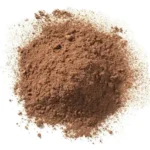
Lignosulfonate is a water-soluble lignin derivative commonly supplied as sodium, calcium, magnesium, ammonium, or liquid grades. It is used in many industries because its sulfonate groups and polymeric structure can help disperse particles, support suspension stability, and improve handling in selected water-based systems.
ChinaLignin is the Agriculture Division of Green Agrochem. Industrial water-treatment procurement and technical qualification belong to LigninCorp; agricultural lignosulfonate applications on this site remain focused on fertilizer, soil and crop-input formulations.
How Lignosulfonate May Be Used in Water-Based Systems
Lignosulfonate should be evaluated as one ingredient in a designed treatment or formulation program. It may support dispersion or suspension, but it does not replace water testing, system-specific dosage work, regulatory review, or dedicated treatment agents where those are required.
| Potential function | Possible benefit | Limitation | Testing needed |
|---|---|---|---|
| Dispersant | May help keep fine particles separated in selected water-based systems. | Does not remove all contaminants or prevent all deposits. | Jar testing or a controlled system trial using the actual water source. |
| Suspension aid | May improve handling of some mineral, organic, or process slurries. | Performance depends on solids type, pH, hardness, dosage, and grade. | Settling tests, viscosity checks, and formulation compatibility review. |
| Auxiliary formulation ingredient | May support blends that include other treatment or process chemicals. | Not a standalone treatment program for complex water systems. | Compatibility checks with phosphates, polymers, corrosion inhibitors, biocides, or other agents when applicable. |
| Scale-control support | May help disperse particles associated with scaling in some conditions. | Does not solve all scale or corrosion problems. | Compare against the complete treatment package under operating conditions. |
| Sludge handling support | May influence slurry flow or dewatering behavior in some systems. | Not a guaranteed flocculant, purifier, or solids-removal solution. | Pilot trial, sludge characterization, and wastewater compliance review. |
Product Grade and Application Fit
Different lignosulfonate grades can behave differently. Cation type, molecular weight distribution, sugar content, ash, moisture, pH, solubility, and impurity profile may all influence performance. For example, sodium lignosulfonate is often reviewed when solubility and dispersion are priorities, while calcium lignosulfonate may be considered where a calcium-based grade fits the formulation.
For industrial grade comparison, buyers may review sodium lignosulfonate, calcium lignosulfonate and the industrial water-treatment application guide.
Important Limitations
Lignosulfonate should not be described as a complete water purifier or a universal water-treatment chemical. It should not be assumed to remove all contaminants, prevent every type of scale, stop corrosion by itself, or meet potable-water requirements without specific approval. Suitability depends on technical testing, regulatory context, dosage, and compatibility with the full treatment program.
Production route and grade consistency also matter. For background on how lignosulfonate is made and why quality factors vary, see lignosulfonate production.
FAQ
Is lignosulfonate a water purifier?
No. Lignosulfonate should not be treated as a complete water purifier. In some systems it may be evaluated as a dispersant, suspension aid, or auxiliary formulation ingredient.
Can lignosulfonate remove all contaminants?
No. It may influence particle dispersion or suspension behavior in selected applications, but contaminant removal requires system-specific treatment design and verification.
Does lignosulfonate prevent all scale and corrosion?
No. Lignosulfonate may be evaluated alongside other treatment agents in some programs, but scale and corrosion control depend on water chemistry, operating conditions, dosage, and the complete formulation.
What affects lignosulfonate performance in water-based systems?
Important factors include water chemistry, pH, hardness, temperature, solids type, dosage, product grade, molecular weight distribution, and compatibility with other ingredients.
What should buyers request before using lignosulfonate?
Buyers should request a technical data sheet, safety data sheet, certificate of analysis, application guidance, and sample material for compatibility or pilot testing before selecting a grade for water-based systems.
Water treatment sourcing notes for lignosulfonate
Lignosulfonate may be evaluated in selected water treatment and process water systems as a dispersing aid, scale-control support ingredient, or formulation component. Buyers should confirm water chemistry, pH, hardness, salinity, suspended solids, dosage, and compatibility with other treatment chemicals before commercial use.
| Buyer question | Recommended check |
|---|---|
| Which grade is suitable? | Compare sodium lignosulfonate, calcium lignosulfonate, and magnesium lignosulfonate by solubility and compatibility. |
| Will it disperse solids? | Run jar tests or process-water trials with the real solids, salts, and treatment package. |
| Is it export ready? | Request TDS, SDS, COA, packing, shelf life, and batch consistency information. |
For industrial purchasing decisions, submit water analysis data, target function, system temperature and restricted-chemical requirements through LigninCorp technical support so candidate grades can be screened against the treatment environment.