
Copper Lignosulfonate for Agriculture and Fertilizer Formulations
Copper Lignosulfonate is a water-soluble copper-containing lignosulfonate powder for agriculture, micronutrient fertilizer, foliar nutrition, drip or irrigation-compatible formulation concepts, and selected industrial dispersion or binding systems.
China Lignin supplies GAC-CuLS for buyers who need a lignin-derived formulation aid together with copper relevance. It should be evaluated as a copper micronutrient input and a lignosulfonate-based carrier/dispersant, not as a universal plant growth guarantee.
Publishing note: Existing slug uses cupper-lignosulfonate; preserve unless user requests a slug correction plan.
Micronutrient Relevance
Designed for buyers comparing trace-element lignosulfonate grades for crop nutrition and fertilizer formulation.
Formulation Support
Lignosulfonate behavior may support dispersion, binding, and water-based compatibility in selected systems.
Export Qualification
Confirm TDS, SDS, COA, packing, sample result, destination rules, and label requirements before order.
Answer-First Product Overview
Copper is involved in plant enzyme systems, photosynthesis, respiration, carbohydrate metabolism, protein metabolism, lignin synthesis, and reproductive development. Copper lignosulfonate is useful when formulators want copper in a lignosulfonate matrix that may support water compatibility, dispersion, and handling.
Buyer Note
Copper can be beneficial at low rates but harmful at excessive rates. Buyers should confirm crop sensitivity, copper limits, local fertilizer registration, water quality, pH, tank-mix compatibility, and residue rules before commercial use.
Main Specification
Specifications should be confirmed with the latest TDS, COA, SDS, sample result, and commercial contract. Values below are written for product-page qualification and buyer discussion.
| Item | Typical value | Buyer note |
|---|---|---|
| Name | Copper lignosulfonate | Confirm grade and copper assay by current COA |
| Product code | GAC-CuLS | Use for quotation and sample reference |
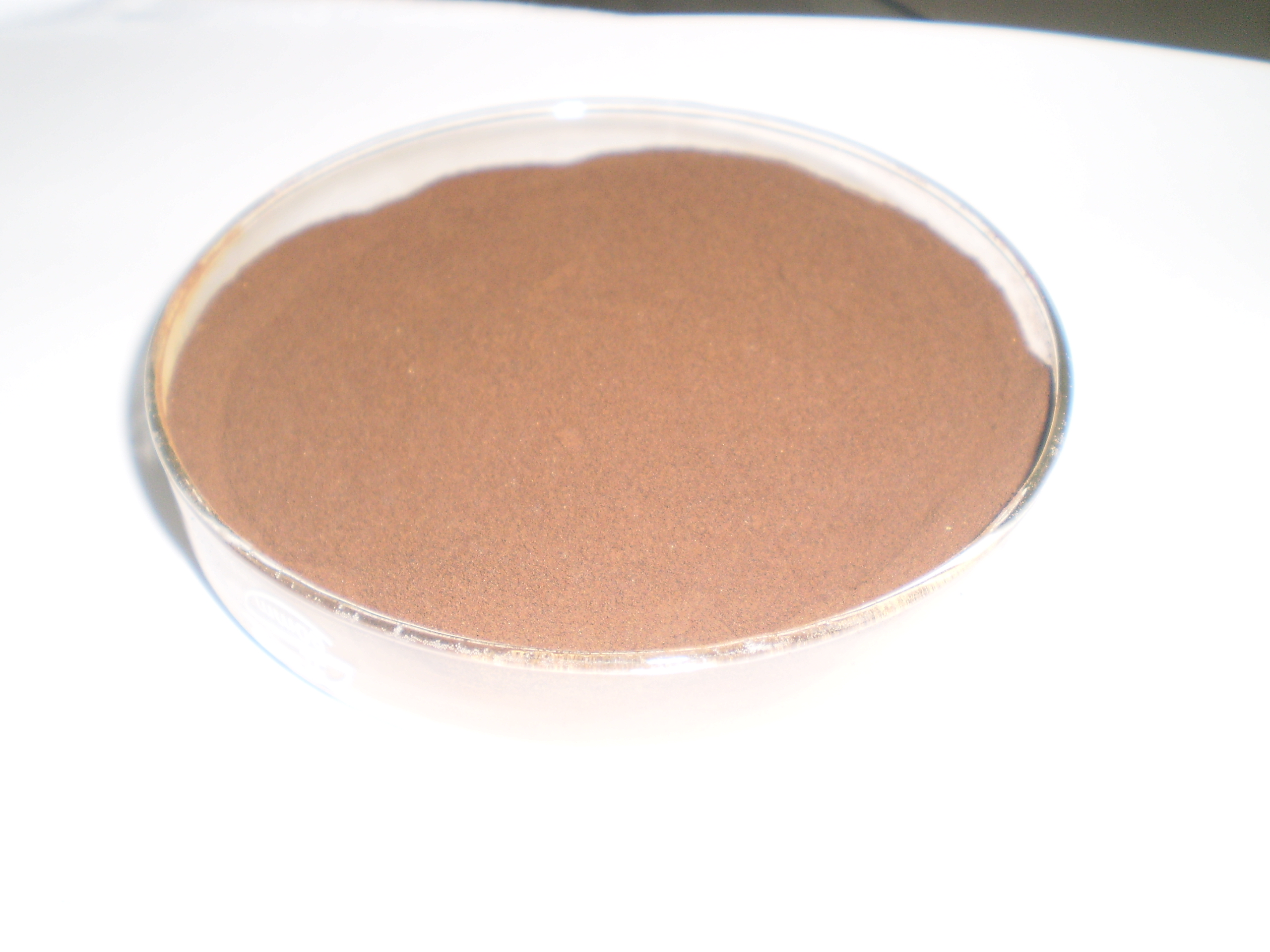
| Appearance | Yellow brown powder | Useful for handling and visual acceptance |
| Dry matter | 95% min | Supports solids and loading calculation |
| Water-insoluble | 1.0% max | Important for spray, drip, and filtration behavior |
| Sulfate | 2% min | Confirm if salt sensitivity matters |
| Total copper | around 3% | Key nutrient indicator; confirm by COA |
| Lignosulfonate | 55% min | Main lignin-derived formulation component |
| Moisture | 7% max | Important for flowability and storage |
Agriculture and Fertilizer Applications
Use should be selected by crop target, formulation route, micronutrient requirement, compatibility, dosage, local regulation, and buyer testing rather than by product name alone.
Foliar Micronutrient
Evaluate for copper nutrition in crop programs where copper deficiency or quality targets are relevant.
Drip and Irrigation Concepts
Check water-insoluble matter, filtration behavior, pH, and compatibility with other nutrients.
Lignin-Related Crop Quality Support
Relevant where copper is linked to lignification and plant enzyme activity, subject to field validation.
Micronutrient Blends
Can be compared with zinc, iron, manganese, boron, and trace-element lignosulfonate blends.
Fertilizer Coating
May support copper addition and powder binding in selected granulation or coating systems.
Industrial Dispersion
Can be evaluated where copper content is acceptable and lignosulfonate dispersion is useful.
Grade Selection Guide
Choose the grade by nutrient assay, application method, solubility requirement, water quality, pH compatibility, crop sensitivity, packaging, and required documentation.
- Copper assay and local limits
- Crop sensitivity and dosage
- pH and tank mix stability
- Water-insoluble filtration
- Residue and registration rules
- COA/SDS/TDS documents
Industrial Applications
Trace-element lignosulfonates can also be evaluated in selected industrial systems. Performance should be treated as grade-specific and process-specific.
| Industrial use | Common role | Buyer check |
|---|---|---|
| Water-based dispersions | Auxiliary dispersant where copper content is not a limitation | Check color, pH, and salt compatibility |
| Powder processing | Binder or handling support | Test strength, moisture, and storage behavior |
| Dust control concepts | Lignosulfonate-based binding support | Confirm copper environmental limits before use |
Packaging, Documents, and Related Products
Common export supply includes 25 kg woven bags with inner liner, palletizing, moisture protection, and buyer-approved packaging. Buyers should request TDS, SDS, COA, packing list, invoice, sample information, and application notes where available.
| Related resource | Why it matters |
|---|---|
| Comparable micronutrient lignosulfonates | |
| Application qualification | Check fertilizer formulation, foliar use, drip/irrigation behavior, granulation, soil conditions, and destination-market registration. |
| Storage | Keep sealed, dry, and protected from moisture during storage and transport. |
FAQ
What is copper lignosulfonate used for?
Copper lignosulfonate is evaluated as a copper-containing lignosulfonate for micronutrient fertilizer, foliar nutrition, drip or irrigation-compatible formulations, fertilizer coating, and selected industrial dispersion or binding systems.
Is copper lignosulfonate safe for every crop?
No. Copper rate, crop sensitivity, pH, water quality, and local regulations must be checked. Excessive copper can cause phytotoxicity or residue concerns.
How is copper lignosulfonate different from zinc lignosulfonate?
Copper lignosulfonate is selected when copper nutrition or copper chemistry is required. Zinc lignosulfonate is selected for zinc deficiency and zinc-containing fertilizer systems.