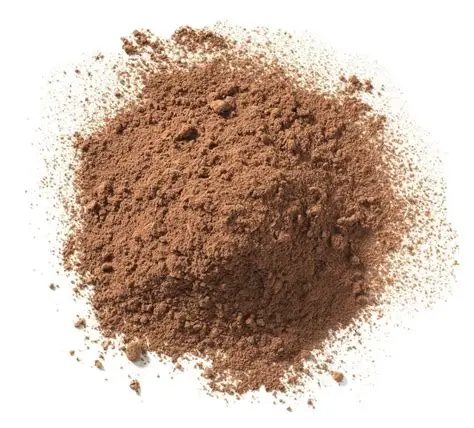
Magnesium lignosulfonate, a water-soluble anionic polyelectrolyte derived as a byproduct from the sulfite pulping process in the paper industry, is a highly versatile compound with applications spanning multiple industries. It is produced when lignin, a complex polymer in wood, is sulfonated during the separation of cellulose fibers, resulting in a magnesium salt of lignosulfonic acid. Its unique properties—such as dispersibility, binding, chelating, and stabilizing capabilities, along with its role as a source of magnesium—make it valuable in industrial, agricultural, and environmental contexts.
1. Animal Feed Industry
- Role: Magnesium lignosulfonate serves as a binder in the production of pelleted animal feeds, particularly for livestock such as cattle, poultry, and swine.
- Benefits:
- Pellet Durability: It improves the structural integrity of feed pellets, reducing breakage and dust during handling, storage, and transportation. This ensures consistent feed quality and minimizes waste.
- Nutritional Value: The magnesium content in the compound acts as a dietary supplement, supporting animal health by aiding in muscle function, nerve transmission, and enzyme activation. Magnesium is particularly important for preventing deficiencies in grazing animals.
- Cost-Effectiveness: As a byproduct of the paper industry, magnesium lignosulfonate is a cost-efficient alternative to other binders, making it an attractive choice for feed manufacturers.
- Applications: Used in formulating feeds for ruminants, poultry, aquaculture, and pet foods, where uniform pellet quality is critical for automated feeding systems.
2. Agriculture and Soil Management
- Role: Employed as a soil conditioner, fertilizer additive, and nutrient enhancer.
- Benefits:
- Soil Conditioning: Magnesium lignosulfonate improves soil structure by enhancing water retention and reducing erosion, particularly in sandy or degraded soils. Its organic nature contributes to soil microbial activity, promoting long-term soil health.
- Magnesium Source: Magnesium is a vital macronutrient for plants, playing a central role in chlorophyll synthesis, photosynthesis, and enzyme activation. Its inclusion in fertilizers helps correct magnesium deficiencies in crops, boosting yield and quality.
- Dispersant for Agrochemicals: It acts as a dispersant in pesticide and herbicide formulations, ensuring uniform application and improving the efficacy of active ingredients.
- Applications: Used in organic farming, horticulture, and large-scale agriculture to enhance soil fertility and support sustainable crop production.
3. Concrete and Construction Industry
- Role: Functions as a water-reducing agent and plasticizer in concrete admixtures.
- Benefits:
- Improved Workability: By reducing the water-cement ratio, magnesium lignosulfonate enhances the flowability and workability of concrete mixes, making them easier to pour and shape without compromising strength.
- Strength and Durability: Lower water content results in denser, stronger concrete with improved resistance to cracking and environmental degradation.
- Sustainability: As a renewable byproduct, it offers an eco-friendly alternative to synthetic admixtures, aligning with green construction practices.
- Applications: Widely used in ready-mix concrete, precast concrete, and high-performance concrete for infrastructure projects like bridges, highways, and buildings.
4. Water Treatment and Environmental Applications
- Role: Utilized as a chelating agent and dispersant in water treatment processes.
- Benefits:
- Heavy Metal Removal: Its chelating properties allow it to bind with heavy metals such as lead, cadmium, and copper, facilitating their removal from wastewater and reducing environmental contamination.
- Flocculation and Dispersion: It stabilizes suspensions in water treatment systems, preventing particle aggregation and aiding in the clarification of water.
- Eco-Friendly: Being biodegradable and derived from renewable sources, it supports sustainable water treatment practices.
- Applications: Employed in industrial wastewater treatment, municipal water purification, and remediation of contaminated water bodies.
5. Refractory Materials and Ceramics
- Role: Acts as a binder and dispersant in the production of refractory materials and ceramics.
- Benefits:
- High-Temperature Stability: Magnesium lignosulfonate facilitates the formation of strong ceramic bonds at elevated temperatures, essential for refractories used in furnaces, kilns, and incinerators.
- Improved Processing: Its dispersing properties ensure uniform distribution of raw materials, leading to consistent quality in refractory products.
- Cost Efficiency: As an inexpensive binder, it reduces production costs without compromising performance.
- Applications: Used in manufacturing refractory bricks, castables, and linings for industries like steel, cement, and glass production.
6. Oil and Gas Drilling
- Role: Serves as a dispersant and viscosity modifier in drilling muds.
- Benefits:
- Mud Stability: It maintains the fluidity and stability of drilling muds under high-pressure and high-temperature conditions, preventing sedimentation and ensuring smooth drilling operations.
- Lubrication: Reduces friction in drilling systems, extending the lifespan of equipment and improving efficiency.
- Environmental Advantage: Its biodegradability makes it a preferred choice over synthetic additives in environmentally sensitive drilling operations.
- Applications: Used in both onshore and offshore oil and gas drilling, particularly in water-based mud systems.
7. Pesticide and Agrochemical Formulations
- Role: Acts as a dispersant, stabilizer, and carrier in pesticide and herbicide formulations.
- Benefits:
- Enhanced Stability: Prevents settling of active ingredients, ensuring uniform suspensions and consistent application.
- Improved Efficacy: Promotes even distribution of pesticides on plant surfaces, enhancing their effectiveness and reducing the required dosage.
- Compatibility: Works well with a variety of active ingredients, making it versatile for different agrochemical products.
- Applications: Incorporated into liquid and powder-based pesticides, herbicides, and fungicides for agricultural and horticultural use.
8. Other Industrial Applications
- Dust Control:
- Role: Used as a dust suppressant on roads, construction sites, and mining operations.
- Benefits: Its binding properties help aggregate fine particles, reducing dust emissions and improving air quality in industrial environments.
- Carbon Black and Pigment Dispersion:
- Role: Acts as a dispersant in the production of carbon black, inks, and pigments.
- Benefits: Ensures uniform particle distribution, enhancing the quality and consistency of dyes, coatings, and printing inks.
- Adhesives and Binders:
- Role: Used in the formulation of adhesives for wood, paper, and other materials.
- Benefits: Provides strong bonding properties and improves the adhesive’s resistance to moisture and temperature changes.
9. Emerging and Research Applications
- Bio-Based Materials: Research is exploring magnesium lignosulfonate’s potential in developing bio-based composites, biodegradable plastics, and renewable chemicals, leveraging its renewable nature and functional properties.
- Energy Storage: Preliminary studies suggest its use in battery technologies, where its chelating and stabilizing properties could enhance electrolyte performance.
- Pharmaceuticals: Its biocompatibility is being investigated for potential applications in drug delivery systems or as a carrier for active pharmaceutical ingredients.
Environmental and Economic Advantages
- Sustainability: As a byproduct of the paper industry, magnesium lignosulfonate repurposes waste, reducing environmental impact and supporting circular economy principles.
- Cost-Effectiveness: Its availability as a byproduct makes it an economical choice compared to synthetic alternatives, lowering production costs across industries.
- Biodegradability: Unlike many synthetic additives, it is biodegradable, reducing the environmental footprint of its applications.