
What Is Calcium Lignosulfonate? Properties, Forms and Agricultural Selection

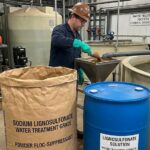
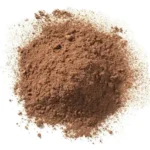
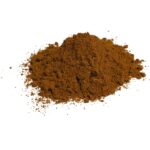
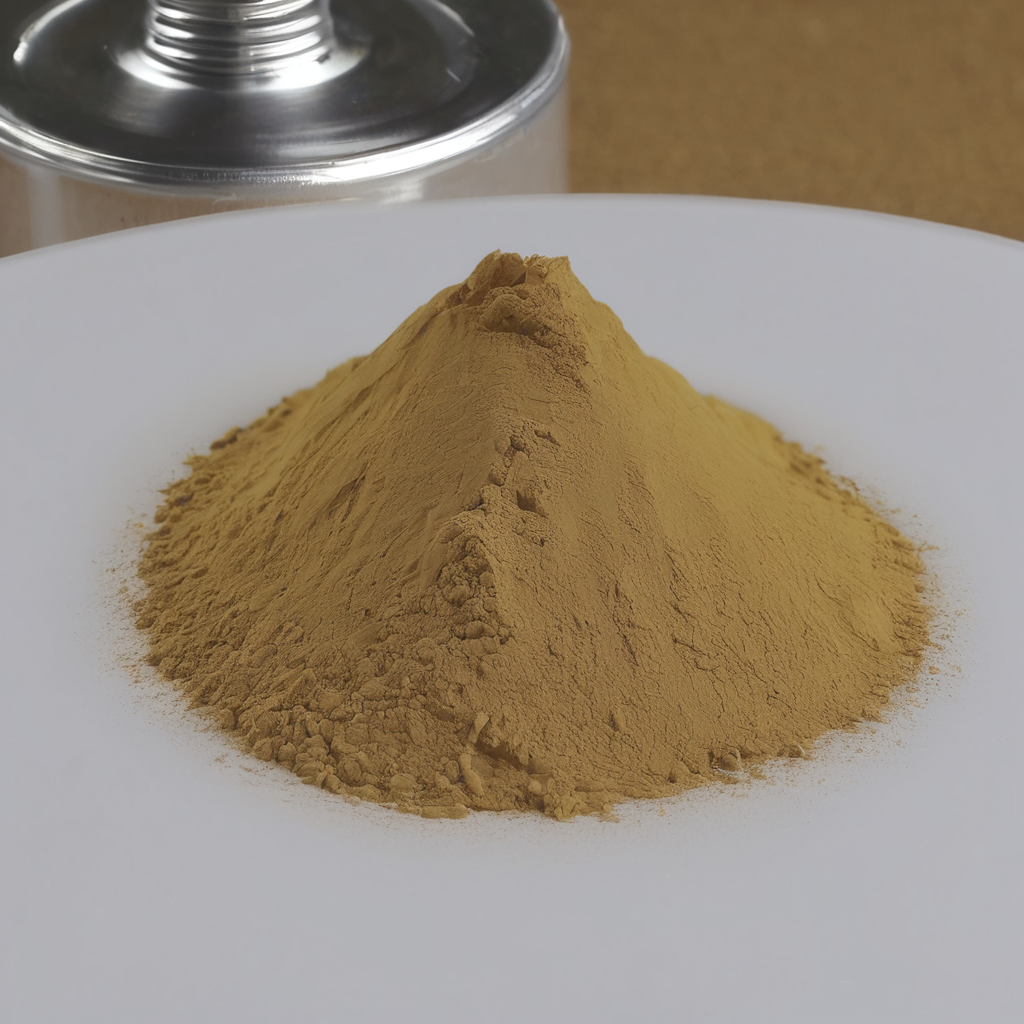
calcium lignosulfonate powder

What Is Calcium Lignosulfonate? Properties, Forms and Agricultural Selection

Calcium lignosulfonate is a water-soluble lignin-derived material commonly supplied as a powder or liquid. Its anionic polymer structure can provide binding, dispersing and process-control functions in selected formulations. For agricultural buyers, the important question is not only what calcium lignosulfonate is, but whether a particular grade has the composition, physical form and documentation required for the intended fertilizer, micronutrient or crop-input process.

How calcium lignosulfonate is produced

Lignosulfonates originate from lignin solubilized during sulfite pulping. After recovery and purification, the material may be converted or standardized in a calcium form and then concentrated, dried or supplied as a solution. Feedstock, pulping conditions, purification and finishing steps can influence molecular-weight distribution, ash, reducing sugars, insoluble matter, colour and solution behaviour. The name therefore describes a product family rather than one universally interchangeable specification.

Functions relevant to agricultural formulations

  • Granulation and agglomeration: a compatible grade may help bind fine particles during fertilizer granulation or other agglomeration processes. Granule strength, drying behaviour and redispersion must be confirmed with the actual raw materials.
  • Dispersion: adsorption on mineral or organic particles can help control particle interaction in some aqueous suspensions. Performance depends on pH, electrolyte level, water hardness, particle surface and mixing sequence.
  • Processing aid and dust management: liquid or reconstituted product may help wet or bind fine material during handling. Application equipment, moisture balance, drying capacity and storage conditions remain important.
  • Carrier or formulation component: calcium lignosulfonate may be evaluated in selected micronutrient, soil-input or crop-input systems. Compatibility and regulatory classification must be assessed for the finished product and target market.

These are formulation functions, not guaranteed agronomic outcomes. Calcium lignosulfonate should not be described as delivering a fixed yield response, nutrient-uptake increase or universal soil benefit without a defined formulation, control, test method and supporting data.

Calcium contribution and formulation balance

The calcium counterion is part of the supplied material, but the product should not be treated as a universal calcium fertilizer solely because of its name. Actual calcium contribution depends on the grade composition, dry matter, test method and addition level. Formulators should use batch or specification data for nutrient calculations and check how calcium interacts with phosphates, sulfates, micronutrients and other formulation components.

Where nutrient content or crop response will be claimed, confirm the applicable analytical method, registration category, label basis and supporting evidence for the exact formulation and market. A technical role such as granulation, binding or dispersion is distinct from an agronomic efficacy claim.

Production route and finishing can influence ash, sugars, insoluble matter, ion balance and dissolution. See how lignosulfonate production affects agricultural formulation quality when preparing a supplier comparison.

Powder or liquid: which form should a buyer choose?

Selection factorPowderLiquid
HandlingSuitable for dry blending or on-site dissolution; requires dust-control proceduresSuitable for metered liquid addition; requires compatible pumps and storage
Freight and storageHigher active material per shipment, subject to grade specificationIncludes water and may need temperature-managed storage
Process integrationDissolution time, water quality and filtration may matterViscosity, solids, density and microbiological storage control may matter
Quality comparisonCompare moisture, ash, insolubles and solution propertiesCompare solids, density, pH, viscosity and insolubles

The correct comparison is made on a defined solids or as-supplied basis. Buyers should not treat the same percentage addition of a powder and a liquid as equivalent unless active content and calculation basis are documented.

Properties and documents to review

Request a current TDS, SDS and lot-specific COA for the exact grade under evaluation. Depending on the form and intended process, useful review items may include solids or moisture, pH and test concentration, ash, water-insoluble matter, bulk density or solution density, viscosity, reducing sugars, chloride and relevant elemental or impurity controls. Confirm the test method, units and whether each value is a guaranteed limit, a range or a typical result.

Regulatory suitability is product- and market-specific. General descriptions such as “natural,” “biodegradable,” “non-toxic” or “environmentally friendly” should not replace a current SDS, impurity review, exposure assessment and local regulatory check. If the finished product makes fertilizer, soil amendment, feed or crop-protection claims, the applicable registration and labeling rules must also be reviewed.

Recommended evaluation workflow

  1. Define the function. Specify whether the material is being evaluated for granulation, binding, dispersion, wetting, dust management or another process objective.
  2. Define the calculation basis. Record whether additions are measured as supplied product or dry solids and identify the formulation component used as the percentage basis.
  3. Screen compatibility. Check appearance, dissolution, pH response, precipitation, viscosity and stability with the actual water, minerals, salts and additives.
  4. Run controlled trials. Compare a control and several documented trial levels under the same mixing, temperature, addition sequence, drying and storage conditions.
  5. Measure relevant outputs. Depending on the application, these may include granule integrity, attrition, flowability, suspension stability, filtration, drying time, redispersion or storage stability.
  6. Confirm at plant scale. Laboratory compatibility does not automatically predict pumping, spraying, drying, recycle load or long-term storage behaviour.

A numerical dosage should be used only when it is supported by the current technical document for the exact grade and clearly states the calculation basis. Treat any supplier value as a starting trial range, not a universal production dosage.

How this page relates to other Green Agrochem divisions

This China Lignin page focuses on agricultural formulation and input-selection questions. Buyers seeking an agricultural product route can review the calcium lignosulfonate product page and contact the agriculture team. Industrial procurement and concrete-related applications belong to LigninCorp; feed and pellet-binder questions belong to LigninChina; neutral chemistry and technical-reference material is organized through Lignosulfonate.com.

Buyer inquiry checklist

  • Application, formulation type and target function
  • Preferred powder or liquid form
  • Required solids or moisture basis and packaging
  • Water quality, pH, electrolyte level and other formulation components
  • Process temperature, mixing order, drying method and storage conditions
  • Required TDS, SDS, COA and market-specific compliance documents
  • Laboratory sample quantity and evaluation timeline

For grade selection and documentation, contact info@greenagrochem.com with the application and trial conditions. A technically useful recommendation begins with the process and acceptance criteria rather than a generic dosage.